




Definition & Meaning
The Equine Boarding Agreement is a contractual document outlining the terms and conditions under which a horse is boarded at a facility. This agreement serves as a legally binding arrangement between the horse owner and the boarding facility operator, detailing responsibilities, services, and liabilities. Typically, the document covers various aspects, including fees, duration of stay, and specific services offered, such as feeding, shelter, and exercise.
Key Elements of the Equine Boarding Agreement
An Equine Boarding Agreement includes several crucial components to ensure both parties comprehend their obligations:
- Description of Services: Specifies the care and services provided, such as daily feeding, turnout, stall cleaning, and grooming.
- Fee Structure: Details the cost of services, including payment schedules and accepted methods of payment.
- Liability and Insurance: Outlines the liability of both parties, and any insurance requirements to cover injuries or accidents involving the horse.
- Health Requirements: Lists mandatory health checks, vaccinations, and medical records necessary to board the horse.
- Term and Termination: Defines the duration of the agreement, renewal conditions, and grounds for termination by either party.
How to Use the Equine Boarding Agreement
To effectively utilize the Equine Boarding Agreement, follow these steps:
- Review and Customize: Carefully read the agreement and modify it to reflect the specific needs and arrangements between the horse owner and boarding facility.
- Consult with a Legal Advisor: Consider professional advice to ensure compliance with local laws and protect all parties involved.
- Sign and Store: Both parties should sign the agreement and keep copies for their records.
- Periodic Review: Regularly revisit the terms to ensure they continue to meet the needs or adjust them according to changing circumstances.
Importance of the Equine Boarding Agreement
The Equine Boarding Agreement provides numerous benefits:
- Clarity and Transparency: Clearly defines roles and expectations, reducing potential conflicts.
- Legal Protection: Offers a framework for resolving disputes, safeguarding interests, and meeting legal requirements.
- Formalization of Agreement: Ensures that verbal agreements are officially documented, providing a reference for what was agreed upon.
Steps to Complete the Equine Boarding Agreement
Completing an Equine Boarding Agreement typically involves:
- Gather Required Information: Include details about the horse, owner, and boarding facility.
- Specify Agreement Terms: Agree on the scope of services, payment terms, and responsibilities.
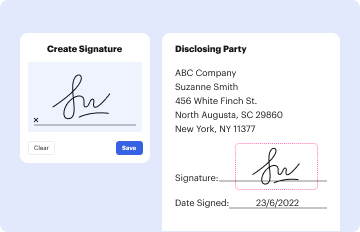
- Obtain Necessary Signatures: Ensure all parties, including owners and facility representatives, sign the agreement.
- Finalize with Dates: Include the effective date and any expiration or renewal terms.
Legal Use of the Equine Boarding Agreement
Legally, an Equine Boarding Agreement ensures both parties meet their obligations and provides a basis for legal recourse if terms are violated. The agreement should:
- Comply with state-specific laws and regulations governing animal care and boarding.
- Include any discretionary clauses relevant to the particular circumstances of the agreement.
- Be reviewed periodically to comply with any updates in legal frameworks or operational needs.
Who Typically Uses the Equine Boarding Agreement
This agreement is mainly utilized by:
- Horse Owners: Individual or commercial entities seeking professional boarding services.
- Boarding Facilities: Operators offering horse care and housing services in exchange for agreed fees.
- Equestrian Centers: Venues that provide boarding alongside educational and recreational services.

State-Specific Rules for the Equine Boarding Agreement
Rules and regulations concerning Equine Boarding Agreements can vary by state:
- Vaccination and Health Check Regulations: Some states have specific health requirements before boarding.
- Liability Waivers: States may differ on the enforceability of liability waivers included in boarding agreements.
- Zoning and Facility Standards: Local zoning laws can impact the operation of boarding facilities and conditions stipulated in agreements.
Examples of Using the Equine Boarding Agreement
Examples of utilizing the agreement effectively in practice:
- Scenario 1: A horse owner wishes to board their horse while traveling extensively. An agreement clarifies care expectations and service costs.
- Scenario 2: A boarding facility requires owners to sign an agreement to manage the influx of horses, ensuring compliance with health regulations.
- Scenario 3: Dispute resolution is efficiently handled through a well-drafted agreement outlining steps for addressing breaches.
The Equine Boarding Agreement is crucial for establishing clear, legally protected arrangements between horse owners and boarding facilities.