






Definition and Meaning
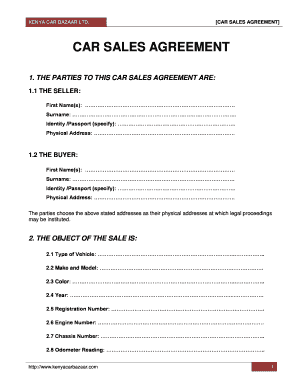
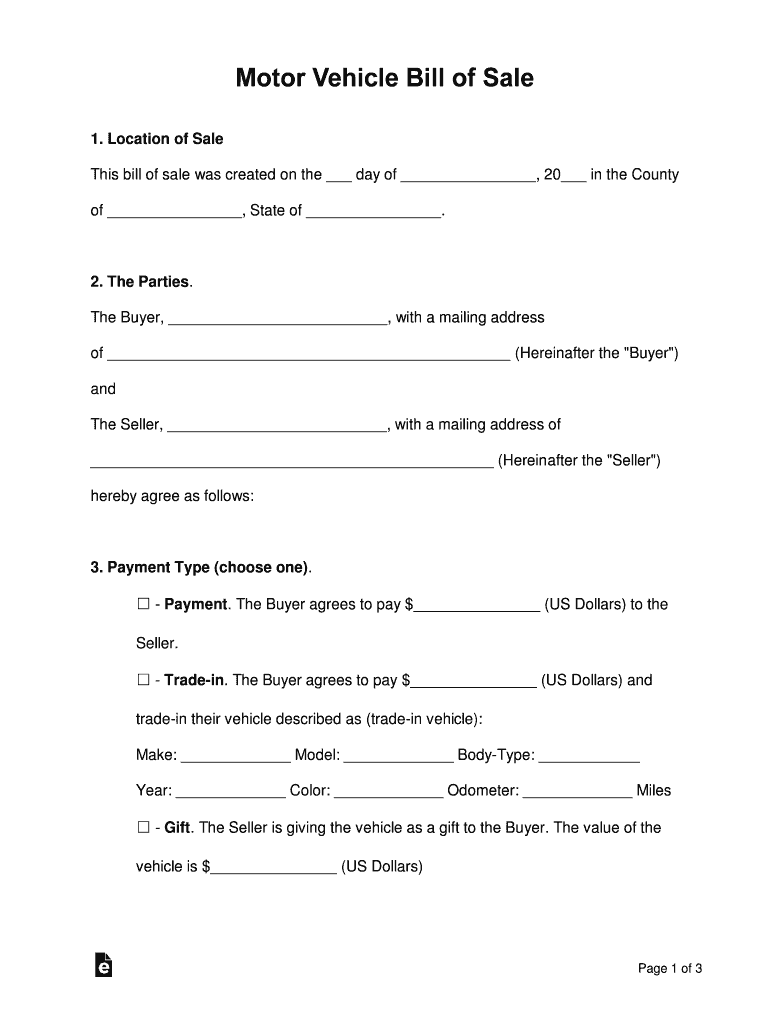
The Texas vehicle bill of sale is a legally binding document that records the details of a vehicle transaction between a buyer and a seller. It serves as proof of transfer of ownership from the seller to the buyer and includes essential information such as the vehicle's make, model, year, VIN (Vehicle Identification Number), sale price, and addresses of the parties involved. This document is crucial for the buyer when registering the vehicle with the Texas Department of Motor Vehicles (TxDMV) and for the seller to ensure they are no longer liable for the vehicle.
Steps to Complete the Texas Vehicle Bill of Sale
Creating a comprehensive Texas vehicle bill of sale involves several steps to ensure all necessary information is accurately documented.
-
Gather Information: Collect essential details about the vehicle, including the make, model, year, VIN, and current mileage. Document the sale price and the transaction date.
-
Identify Buyer and Seller: Record the full legal names and addresses of both parties involved in the transaction.
-
Signatures: Ensure that both the buyer and the seller sign the document to validate the agreement. It's preferable to have the signatures witnessed or notarized to increase the document's legal standing, although it's not mandatory in Texas.
-
Finalize the Document: Once signed, store a copy securely. Both the buyer and the seller should retain copies of the completed bill of sale for their records.
Key Elements of the Texas Vehicle Bill of Sale
An effective Texas vehicle bill of sale must include specific components to serve its intended purpose.
-
Vehicle Details: Clearly describe the vehicle, including its make, model, year, and VIN. It's important to ensure that these details match accurately with the vehicle's registration document and title.
-
Transaction Information: Indicate the sale price and the method of payment. This can be a lump sum, installment plan, or trade-in.
-
Buyer and Seller Information: Include full names, addresses, and contact details for both parties to confirm their identities and to facilitate communication.
-
Warranty Status: Specify whether the vehicle is being sold "as is" or with a warranty. If a warranty is offered, outline its terms and duration.
Legal Use of the Texas Vehicle Bill of Sale
The Texas vehicle bill of sale is critical in various legal contexts.
-
Proof of Ownership Transfer: It officially documents the change in vehicle ownership, which is significant when the buyer registers the vehicle with the TxDMV.
-
Tax Record Documentation: The bill of sale can be used to determine trade-in taxes and prevent misunderstandings about ownership during tax assessments.
-
Protection Against Liability: For the seller, this document is proof that they are no longer responsible for the vehicle, which is crucial if the buyer has an accident or acquires traffic violations.
Important Terms Related to Texas Vehicle Bill of Sale
Understanding the terminology used in the Texas vehicle bill of sale can improve its effective use.
-
VIN (Vehicle Identification Number): A unique code used to identify individual motor vehicles, crucial for registration and legal purposes.
-
“As Is” Condition: Indicates that the buyer accepts the vehicle in its current state, with all faults and defects.
-
Odometer Reading: The current mileage of the vehicle at the time of sale, which is typically recorded to prevent odometer fraud.
State-Specific Rules for the Texas Vehicle Bill of Sale
Texas law requires certain state-specific considerations when drafting a vehicle bill of sale.
-
Title Transfer Timeline: The buyer must apply for a title transfer within thirty days of purchase to avoid penalties. This process requires the bill of sale as evidence of transaction details.
-
Sales Tax: Texas mandates a sales tax on private party vehicle sales, calculated based on the sale price or standard presumptive value, whichever is higher.
Software Compatibility and Platform Use
Creating and completing a Texas vehicle bill of sale can be facilitated through various digital platforms and software.
-
DocHub and PDF Editors: These tools allow users to draft, edit, and share bills of sale digitally. DocHub, specifically, offers features for signing and filling out documents, ensuring legal compliance and ease of use.
-
Cloud Integration: Platforms like Google Workspace allow users to store and share completed forms, promoting efficient collaboration and document management.
Why You Need a Texas Vehicle Bill of Sale
Having a Texas vehicle bill of sale is essential for both the buyer and the seller in a vehicle transaction.
-
Buyer Protection: It acts as proof of purchase and facilitates title transfer for vehicle registration.
-
Seller Assurance: It formally verifies the transfer of ownership, protecting the seller from future liabilities related to the vehicle.
-
Legal Compliance: Ensures both parties adhere to Texas state laws regarding vehicle sales, which is crucial for avoiding legal disputes or penalties.