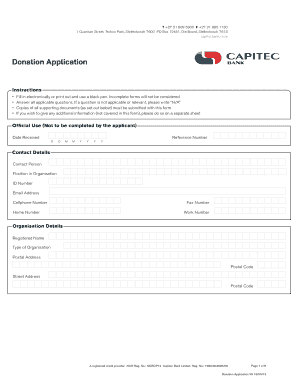
Definition and Purpose
The Vehicle Registration Form for the Dutchgate Homeowners Association (DHA) is designed to collect essential vehicle information from residents in the community. This form ensures that all vehicles within the neighborhood are registered according to the association's guidelines, facilitating safer and more organized parking management. Homeowners and tenants are required to fill out this form with details such as vehicle make, model, license plate number, and assigned parking spot numbers.
How to Use the Form
Using the Vehicle Registration Form entails accurately entering vehicle-related information into the designated fields. Residents should ensure that the details entered match the official documentation of their vehicles, as inaccuracies could lead to errors in registration. This form is integral to maintaining compliance with association regulations regarding vehicle identification and parking allocations. Regular updates are recommended if there are changes in vehicle ownership or residency status.
Obtaining the Vehicle Registration Form
Residents can acquire the Vehicle Registration Form through multiple channels. Typically, it is available from the Dutchgate Homeowners Association's administrative office or its official online portal. For convenience, digital versions may be downloaded, filled out electronically, and submitted through designated online channels. Alternatively, hard copies can be mailed upon request or collected in-person during business hours.
Steps to Complete the Form
-
Personal Information:
- Enter the homeowner or tenant's full name and contact information.
- Provide the unit number or address within the community.
-
Vehicle Details:
- Record the vehicle make, model, and color.
- Include the vehicle's year of manufacture and license plate number.
-
Parking Information:
- Specify the assigned parking spot number, if applicable.
- Mention any additional vehicles and their corresponding parking details.
-
Submission:
- Review the completed form for accuracy.
- Submit the form via email, mail, or the online portal as directed by the DHA.
Why You Should Complete the Form
Completing this form is vital for residents to receive authorization for vehicle parking within the Dutchgate community. It helps avoid potential fines or parking violations by ensuring all vehicles are duly registered. Additionally, a valid registration aids in the swift resolution of parking disputes and enhances community safety by allowing the association to monitor vehicle movements effectively.
Who Typically Uses the Form
The primary users of the Vehicle Registration Form are residents of the Dutchgate community, including both homeowners and tenants. The form may also be required for any new vehicle acquisitions or when residents change parking spots. The association uses this information to provide parking permits and maintain a record of all vehicles within the community.


Key Elements of the Form
- Identification Details: Personal and vehicle-specific information.
- Verification Requirements: Proof of vehicle ownership or lease agreements.
- Assigned Parking Spots: Allocation and regulations for resident vehicles.
- Compliance and Notifications: Conditions and terms for parking within the community.
Form Submission Methods
Residents have several options for submitting the Vehicle Registration Form:
- Online Submission: Via the DHA's web portal, which may include a fillable PDF format.
- Email: Sending scanned copies as attachments to the designated DHA email address.
- Mail or In-person: Delivering hard copies directly to the association’s office.
Legal Use and Compliance
The completion and submission of the Vehicle Registration Form is subject to compliance with association by-laws and relevant state regulations regarding residential vehicle registration. It is crucial for maintaining a record of vehicle ownership within the community, aiding in law enforcement when necessary, and ensuring all vehicles are insured and meet safety standards.
Each section is designed with comprehensive information, examples, and practical details to serve residents and stakeholders effectively.