






Definition and Meaning
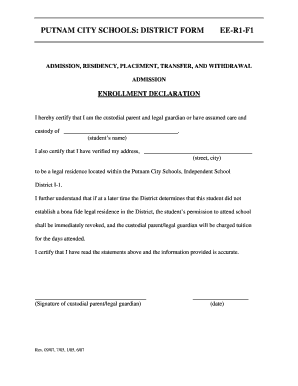
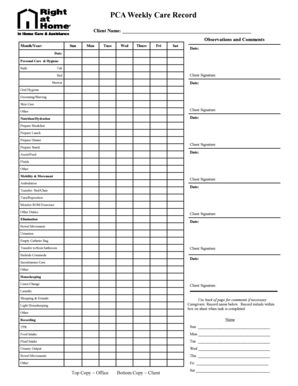
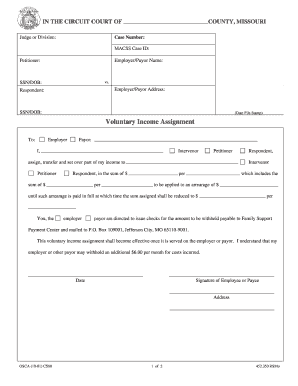
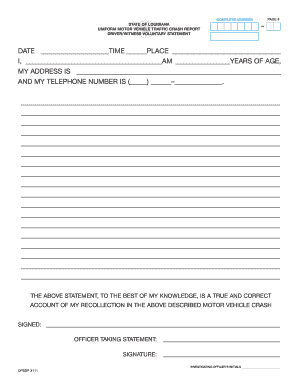
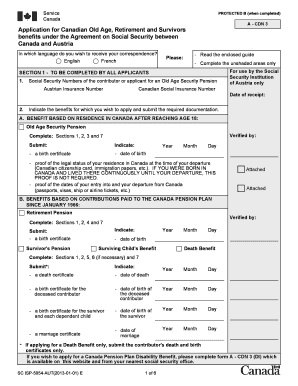
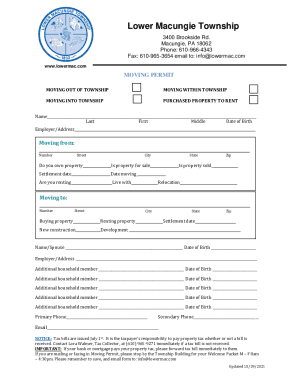
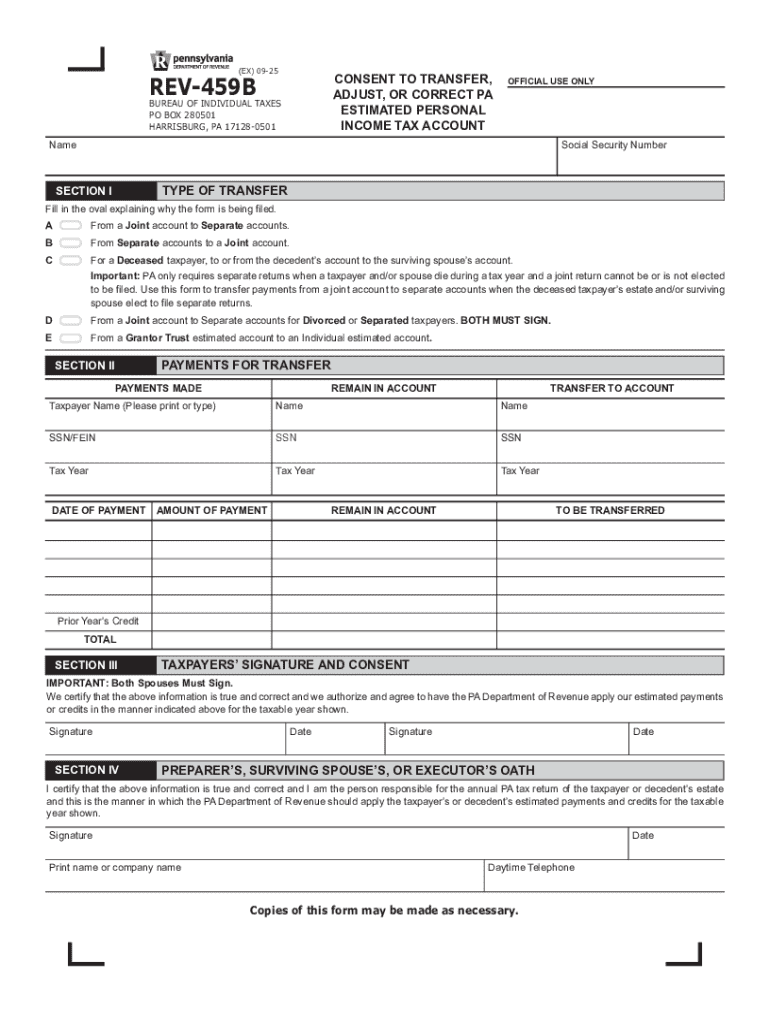
Understanding the concept of "form online" is crucial for individuals looking to streamline their document management processes. The term "form online" typically refers to digital versions of traditional paper forms that can be created, filled out, and submitted through the internet. Whether for personal, legal, or business purposes, these forms offer an efficient means of gathering and processing information without the need for physical paperwork. The convenience of form online eliminates geographical barriers, allowing users to complete and submit forms from any location.
How to Use the Form Online
Leveraging form online involves a series of straightforward steps designed to simplify data collection and processing. First, users select the specific form they need from available templates. Whether it's an application for a permit, a tax form, or a consent form, the platform provides pre-designed templates to meet various needs. Once selected, users can customize the form to suit their specific requirements by adding, removing, or modifying fields. After customization, the form can be distributed via email or a shareable link for recipients to fill out. Users can then track submissions in real-time and analyze collected data efficiently.
Steps to Complete the Form Online
Completing the form online is a structured process that ensures accuracy and completeness.
- Access the Form: Begin by accessing the platform hosting the desired form.
- Review the Form: Familiarize yourself with the instructions and fields to understand the necessary information.
- Fill in Personal Information: Enter personal details such as name, address, and contact information.
- Provide Specific Data: Complete specific fields asking for pertinent information related to the form's purpose.
- Attach Required Documents: Upload necessary attachments, if applicable.
- Review and Confirm: Double-check all entries for accuracy.
- Submit the Form: Finalize the process by submitting the form through the platform.
Each step is intuitive, guided by the platform’s user-friendly interface which ensures users complete every required section before submission.
Important Terms Related to Form Online
Navigating the digital landscape of form online requires familiarity with several key terms:
- Fillable Fields: Interactive sections of the form where users input data.
- Digital Signature: An electronic form of signing that validates the identity of the sender or the signatory.
- Template: A pre-designed form layout that can be customized for specific needs.
- Submission Tracking: A feature that monitors and records the status of form submissions.
- Field Validation: Ensures data entered into a form field meets specified criteria.
Understanding these terms helps users navigate the digital form process more effectively.
Who Typically Uses the Form Online
Form online attracts a diverse array of users ranging from individuals to large organizations.
- Individuals utilize these forms for personal transactions such as online applications or consent forms.
- Small Business Owners find form online valuable for managing business agreements, invoicing, and regulatory compliance forms.
- Corporations employ digital forms for efficient data collection, employee onboarding, and client communications.
- Educational Institutions make use of online forms for student registrations, surveys, and feedback collection.
This variety in use cases highlights the versatility and wide applicability of form online across different sectors.


Key Elements of the Form Online
The effectiveness of form online is contingent upon several critical elements:
- User Interface: An intuitive design that simplifies navigation and form completion.
- Compliance: Adherence to legal standards such as the ESIGN Act for electronic signatures, ensuring validity and enforceability.
- Data Security: Measures like SSL encryption to protect sensitive information during transmission and storage.
- Customization Options: Flexibility to modify fields and layout according to specific needs.
- Integration Capabilities: Ability to connect with other software systems like Google Workspace for enhanced efficiency.
These elements ensure that form online is not only easy to use but also secure and legally compliant.
State-Specific Rules for the Form Online
State-specific regulations may impact how forms online are used and submitted. For instance, tax forms may have different deadlines and requirements based on the state of residence. Legal documents, such as contracts and permits, might also require adherence to state-specific standards for acceptance. This means that users must be aware of and comply with local regulations when preparing and submitting forms online to avoid potential legal issues.
Examples of Using the Form Online
Numerous real-world scenarios illustrate the utility of form online:
- Business Contracts: A company can draft a contract using a form online, collect needed signatures digitally, and store the document in the cloud for easy access.
- Event Registrations: Event organizers can manage participant enrollments and payments through a tailored online form.
- Healthcare Forms: Patients can fill out medical history, insurance, and consent forms before appointments, streamlining the check-in process at healthcare facilities.
These examples demonstrate the broad applicability of form online, showcasing its potential to significantly enhance efficiency across various domains.