



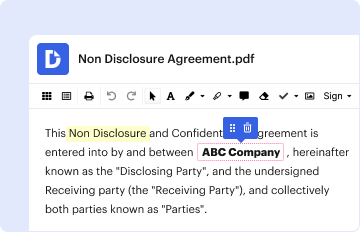
01. Edit your form online
Type text, add images, blackout confidential details, add comments, highlights and more.

Type text, add images, blackout confidential details, add comments, highlights and more.
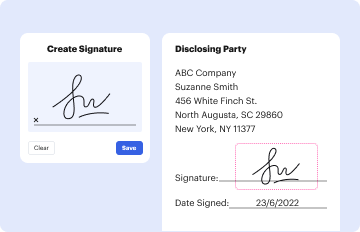
Draw your signature, type it, upload its image, or use your mobile device as a signature pad.
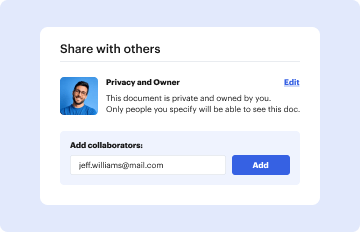
Send it via email, link, or fax. You can also download it, export it or print it out.
The National Symptomatic Breast Clinic Referral Form is a critical document used primarily by healthcare professionals to refer patients to specialized breast clinics. These clinics focus on diagnosing and treating symptomatic breast conditions, such as lumps, pain, or other abnormalities. The form ensures that all necessary patient information and clinical details are provided to facilitate timely and accurate assessment by the clinic. It serves to streamline the referral process, reduce duplication of submissions, and ensure that patients receive the urgent care they might need based on their symptoms.
Healthcare practitioners can typically obtain the National Symptomatic Breast Clinic Referral Form from their respective medical facilities or healthcare networks. The form may also be available through hospital systems or electronic medical record platforms. Some hospitals or regional health authorities may provide access to the form via their websites, allowing practitioners to download and print the form as needed. It is essential for healthcare professionals to use the most current version of the form to ensure compliance with any updated guidelines or requirements.
Patient Information:
Referring Practitioner Details:
Clinical Presentation:
Consent:
The form is crucial for ensuring that patients exhibiting symptoms of breast conditions receive appropriate and expedited medical attention. It facilitates effective communication between the referring GP and the receiving clinic, minimizing delays and improving patient outcomes. In urgent cases, structured referrals can be life-saving, enabling swift intervention and management of potentially serious conditions such as breast cancer.
This referral form is predominantly used by general practitioners and other primary care providers who identify symptoms of breast conditions during routine examinations or when a patient presents with specific concerns. It may also be used by specialists in women’s health services who require collaboration with breast clinics for comprehensive patient care.
The National Symptomatic Breast Clinic Referral Form is subject to strict legal guidelines concerning patient confidentiality and data protection. Healthcare providers must adhere to these regulations to preserve the patient’s privacy. Access to the form is usually restricted to authorized medical personnel only, and sharing of information must be compliant with health data protection laws.
Consider a scenario where a 45-year-old woman presents to her GP with a palpable breast lump. The GP conducts an initial assessment and uses the referral form to provide details such as the size and location of the lump, any accompanying symptoms (e.g., pain or skin dimpling), and the clinical urgency for further assessment by a specialist breast clinic.
The National Symptomatic Breast Clinic Referral Form can be submitted through various methods depending on the healthcare network’s capabilities:
Referrals via the form are generally intended for patients presenting specific breast symptoms that warrant specialized evaluation. Criteria include the presence of lumps, significant breast pain, or other unusual presentations that are not resolved by initial examination and warrant further investigation by breast health specialists.
By comprehensively covering these aspects, healthcare professionals can effectively utilize the National Symptomatic Breast Clinic Referral Form to ensure timely and appropriate care for patients with symptomatic breast conditions.

At DocHub, your data security is our priority. We follow HIPAA, SOC2, GDPR, and other standards, so you can work on your documents with confidence.

Transition is a term that is used to describe the process that individuals typically experiencing gender dysphoria go through to docHub their desired social role
Multiple policy approaches were implemented to improve cancer diagnosis, starting with the establishment of the 2-week referral standard in which patients are


