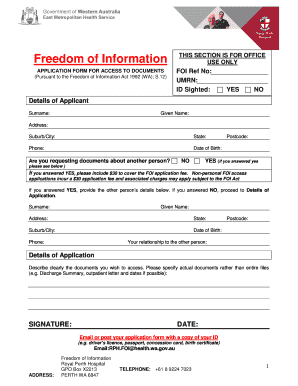
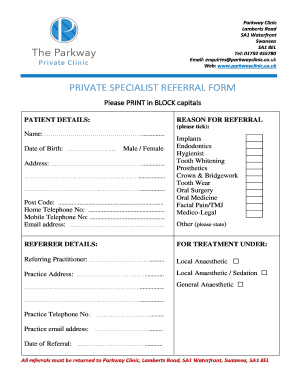
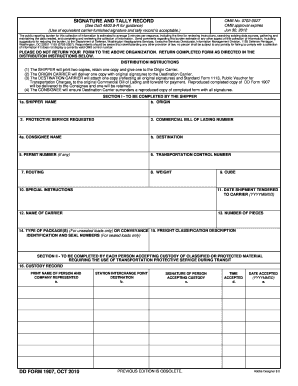
Definition & Meaning of 468A5D48-106D-283E42doc FORMS
The "468A5D48-106D-283E42doc FORMS" refers to a unique document form identifier used within digital or organizational systems to track, manage, or categorize specific types of document forms. This identifier may be part of a structured document management system, designed to facilitate easy identification and retrieval of form-related data.
Key Components
- Identifier Format: The alphanumeric code, like "468A5D48-106D-283E42," is an essential part for categorizing and differentiating the type or category of the form.
- Purpose: This identification method helps streamline the management and workflow of documents across digital platforms, enhancing efficiency in document handling and processing.
Usage Context
- Commonly used in business or government sectors where form tracking is crucial.
- It supports document organization, archiving, and access within various document management systems.
How to Use the 468A5D48-106D-283E42doc FORMS
Using the 468A5D48-106D-283E42doc FORMS requires understanding its specific application within its respective system. Here are steps and examples on how it may be utilized effectively in a digital document management environment.
Step-by-Step Instructions
- Access the Platform: Login or gain access to the document management system where the 468A5D48-106D-283E42doc FORMS is hosted.
- Search and Retrieve: Use the unique identifier to locate the specific form within the system's search feature.
- Form Interaction: Depending on system capabilities, you may fill out, edit, or annotate the form as required.
- Save and Submit: Once completed, save any changes and follow system prompts to submit the form for approval or further action.
Practical Example
- In legal sectors, paralegals might utilize such forms to quickly retrieve client-related documents using the unique identifier, ensuring efficient document management during case preparation.
Steps to Complete the 468A5D48-106D-283E42doc FORMS
Completing the 468A5D48-106D-283E42doc FORMS involves a structured approach to ensure accuracy and compliance. Here, we lay out a comprehensive guide.
- Initial Review: Inspect the form for mandatory fields and any specific instructions that need to be followed.
- Data Entry: Fill in the required information using precise and legible inputs. Pay attention to fields like dates, names, and numerical data.
- Attachments: If applicable, attach any required documents such as identification proofs or supporting evidence.
- Validation: Double-check entries for accuracy and completeness before finalizing the form.
- Submission: Follow specified submission methods, whether it's digitally through an online portal or by mailing a physical copy.
Common Pitfalls
- Incomplete Fields: Ensure no fields are left blank unless explicitly stated. Incomplete forms may result in processing delays.
- Incorrect Data: Verify all details, such as spelled-out names or entered figures, are correct to avoid errors in processing.
Who Typically Uses the 468A5D48-106D-283E42doc FORMS
Understanding who primarily uses the 468A5D48-106D-283E42doc FORMS can illuminate its role and significance within specific fields.


Common Users
- Legal Professionals: Often used within legal practices to manage case-related documents efficiently.
- Corporate Entities: Businesses may employ these forms for internal documentation related to compliance or operational processes.
- Administrative Staff: Administrative personnel in government or educational institutions may use these forms for organizing records and facilitating workflows.

Scenario Example
- Within a corporate setting, HR personnel might use the 468A5D48-106D-283E42doc FORMS to manage employee records, initiate onboarding processes, and track compliance forms.
Key Elements of the 468A5D48-106D-283E42doc FORMS
The 468A5D48-106D-283E42doc FORMS comprises several critical elements integral to its functionality and utility.
Essential Elements
- Unique Identifier: The primary component that sets this form apart, used for easy retrieval and organization within document systems.
- Form Fields: Areas designated for input, which collect specific data from the form user, varying based on application needs.
- Instructions: Detailed guidance on how to complete the form accurately, ensuring all necessary information is captured effectively.
- Security Features: Measures in place to protect sensitive data, such as encryption or access controls.
Practical Importance
- The unique identifier and structured fields make it a reliable tool for ensuring data accuracy and compliance across various industries.
Form Submission Methods: Online, Mail, or In-Person
Submitting the 468A5D48-106D-283E42doc FORMS can be accomplished through several methods, each with its advantages and considerations.
Submission Options
- Online Submission: Utilize electronic systems to submit forms digitally, ensuring quicker processing and real-time status updates.
- Mailing Hard Copies: For those without digital access, physical mailing remains an option, though it may involve longer processing times.
- In-Person Delivery: Direct submission at designated offices allows for immediate clarification of issues if they arise during submission.
Benefits and Considerations
- Online: Fast and efficient but requires reliable internet access.
- Mail: Accessible for those uncomfortable with digital systems but slower.
- In-Person: Offers immediate human interaction and confirmation but requires attending a physical location.
Penalties for Non-Compliance with 468A5D48-106D-283E42doc FORMS
Failing to properly complete or submit the 468A5D48-106D-283E42doc FORMS can lead to various penalties, depending on the governing body or institutional policies involved.
Potential Penalties
- Administrative Delays: Missing information can delay critical processes such as legal actions or corporate operations.
- Fines or Fees: Non-compliance could lead to financial penalties imposed by regulatory bodies or internal corporate rules.
- Legal Repercussions: In legal contexts, failure to submit may result in legal challenges or loss of rights.
Avoidance Strategies
- Regular training for staff on proper form completion techniques.
- Implementing checks to ensure compliance deadlines are met.
Digital vs. Paper Version of 468A5D48-106D-283E42doc FORMS
The digital and paper versions of the 468A5D48-106D-283E42doc FORMS offer distinct benefits suitable for varying needs and preferences.
Comparative Analysis
- Digital Forms: Highly suitable for environments prioritizing efficiency and easy access. Features like auto-fill, instant submission, and integration with document management systems make it the preferred choice for tech-savvy users.
- Paper Forms: Traditionally used in contexts where digital access is limited. They provide a tangible means for record-keeping and are often preferred where original signatures are required.
Decision Considerations
- Use digital forms for speed, ease of use, and integration needs.
- Opt for paper when dealing with legacy systems or requiring notarization and original signatures.
Examples of Using the 468A5D48-106D-283E42doc FORMS
The 468A5D48-106D-283E42doc FORMS proves versatile across different scenarios, and exploring examples sheds light on its practical utility.
Illustrative Scenarios
- Government Use: Agencies might use these forms for citizen applications or internal reporting processes.
- Educational Institutions: Universities may leverage these forms for student registration, academic documentation, or faculty administration.
- Healthcare Administration: Hospitals or clinics could utilize these forms for patient record management or regulatory compliance documentation.
Case Study Highlight
- In a municipal government setting, the form might be employed to streamline permit applications, helping reduce clerical errors and improve response times.