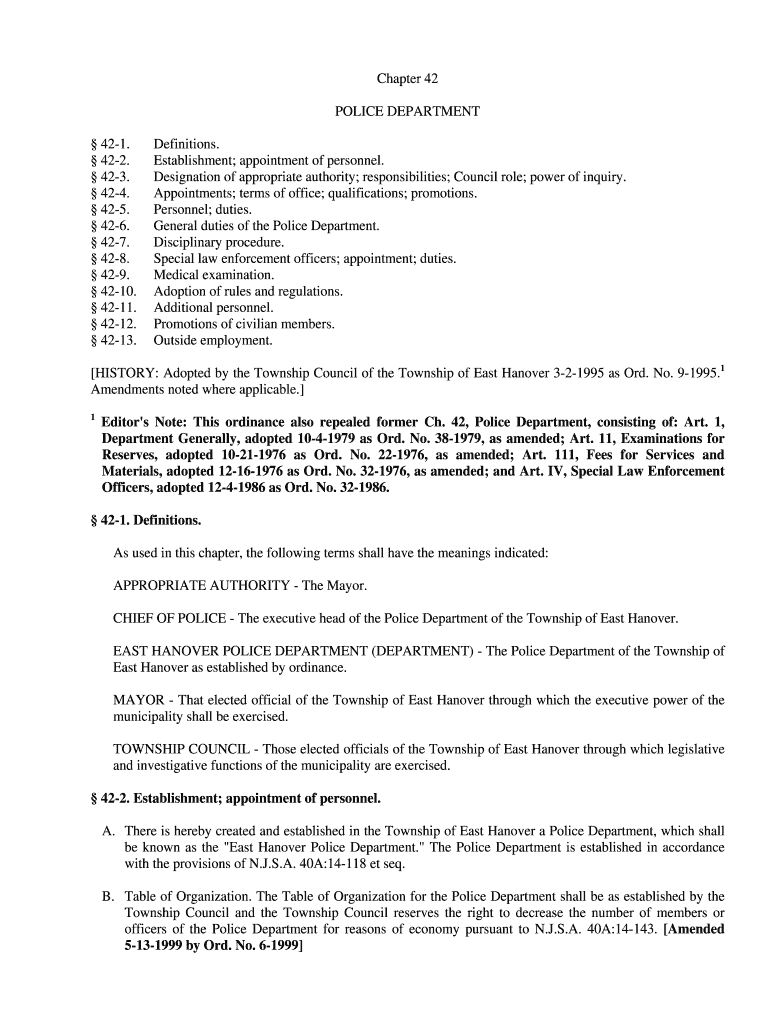







Definition & Meaning
"Establishment; appointment of personnel" refers to the structured process undertaken by an organization to define roles, responsibilities, and the recruitment of staff members to fulfill specific functions. This involves setting up frameworks and guidelines to ensure that personnel are correctly appointed based on the necessary qualifications, skills, and organizational needs. The process is crucial for effectively managing human resources and aligning them with the company's strategic goals.
The concept applies broadly, including the creation of new departments or teams and the strategic alignment of workforce capabilities with operational demands. In legal terms, it may also involve adherence to specific regulations governing employment practices, ensuring equitable hiring and employment conditions. This procedural framework is designed to enhance an organization's operational efficiency and ensure compliance with relevant employment laws.
Key Elements of the Establishment; Appointment of Personnel
Several critical components define the establishment and appointment of personnel, providing a structured approach to managing employee roles and ensuring organizational alignment:
- Organizational Structuring: Establishing a clear hierarchy and defining job roles within the organization.
- Recruitment Processes: Developing criteria for hiring, including job descriptions, required skills, and qualifications.
- Induction and Training: Initiating processes for onboarding new personnel and providing necessary training.
- Performance Evaluation: Establishing mechanisms for assessing employee performance and productivity.
- Compliance with Employment Laws: Ensuring alignment with laws and regulations to promote fair hiring practices.
In practice, these elements form the backbone of an organization’s human resources strategy, contributing to enhanced productivity, employee satisfaction, and reduced turnover rates.
Steps to Complete the Establishment; Appointment of Personnel
When undertaking the establishment and appointment of personnel, several sequential steps are involved:
- Needs Analysis: Identify the gaps in the current workforce and the skills needed.
- Job Description Development: Create clear and concise role descriptions.
- Recruitment Plan: Outline the recruitment strategy, including sourcing methods.
- Candidate Assessment: Implement selection processes such as interviews, tests, and background checks.
- Appointment and Onboarding: Extend offers and integrate new hires into the organization.
- Feedback and Adjustment: Gather feedback from the recruitment process to refine future hiring strategies.
Each step requires careful planning and coordination with relevant stakeholders to ensure that the organization recruits suitable candidates proficiently and effectively.
Why Should You Establish; Appointment of Personnel
The significance of establishing and appointing personnel lies in its direct impact on organizational efficiency and success. Key benefits include:
- Optimal Resource Allocation: Ensures that the right people are in the right roles, maximizing productivity.
- Enhanced Organizational Performance: Aligns personnel capabilities with organizational goals.
- Increased Employee Satisfaction: Promotes job clarity and career development opportunities.
- Compliance and Risk Management: Adheres to legal requirements, minimizing potential compliance risks.
By investing in a structured approach to personnel appointment, organizations can build strong foundations for operational success and sustained growth.
Legal Use of the Establishment; Appointment of Personnel
Legal considerations play a fundamental role in the establishment and appointment of personnel:
- Equal Employment Opportunity: Compliance with laws prohibiting discrimination based on race, gender, age, or disability.
- Employment Contracts: Formulating legally binding agreements outlining terms of employment.
- Labor Law Adherence: Following rules governing working hours, wages, and employee rights.
Adhering to legal standards not only ensures compliance but also fosters a fair and inclusive workplace environment, mitigating legal risks and enhancing reputation.
State-Specific Rules for the Establishment; Appointment of Personnel
Various states in the U.S. may have specific laws and regulations that influence the establishment and appointment of personnel:
- State Employment Regulations: Each state may have unique requirements regarding minimum wage, worker compensation, and labor relations.
- Licensing Requirements: Certain positions may require state-specific licenses or certifications.
- State-Specific HR Practices: Adoption of specific best practices or compliance modifications based on state law.
Understanding and integrating state laws is crucial for developing effective and compliant recruitment and employment processes.
Who Typically Uses the Establishment; Appointment of Personnel
The establishment and appointment process is commonly employed across various sectors:
- Corporations and Enterprises: To manage large-scale recruitment and organizational structuring.
- Public Sector Entities: Include government departments and educational institutions.
- Non-profit Organizations: Focus on mission alignment and volunteer management.
Each user group utilizes the process to address specific organizational needs and regulatory requirements, aligning workforce strategies with operational objectives.


Examples of Using the Establishment; Appointment of Personnel
Several practical scenarios illustrate the use of the establishment and appointment of personnel:
- Corporate Restructuring: Reorganizing departments and roles to respond to market changes.
- Start-up Growth: Scaling teams rapidly during growth phases.
- Compliance Checks: Implementing checks to ensure adherence to labor laws.
These examples highlight the necessity of structured practices in maintaining competitive advantage and ensuring legal compliance.
Business Types That Benefit Most from Establishment; Appointment of Personnel
Specific business types gain particular advantages from implementing structured personnel processes:
- Multinational Corporations: Benefit from standardized global recruitment strategies.
- Healthcare Organizations: Require specialized roles and regulatory compliance.
- Technology Firms: Depend on talent-driven growth and skill matching.
For these industries, a thorough approach to the appointment of personnel supports operational efficiency and strategic alignment with business goals.