






Definition and Purpose of the Commercial Condominium on Rt
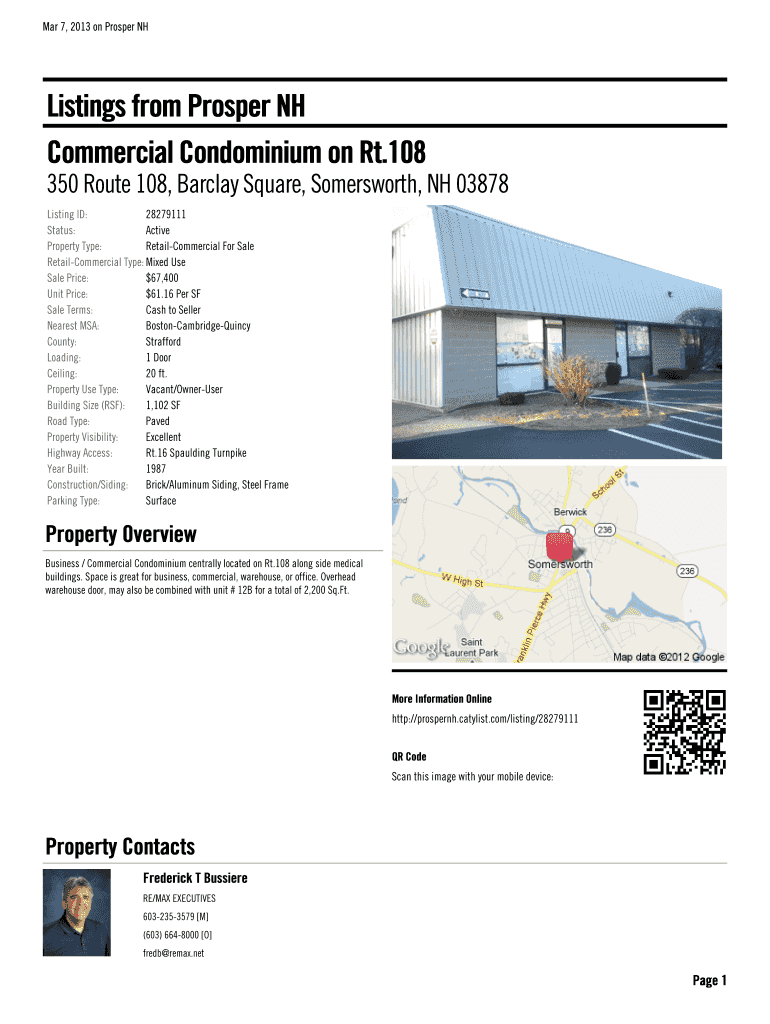
A Commercial Condominium on Rt refers to a specific type of real estate property located on Route 10, suited for business and commercial operations. These properties typically offer spaces such as offices, retail units, or warehouses, set within a condominium setup where individual units can be owned separately, but common areas and facilities are owned jointly by all unit owners. Understanding their layout and zoning is crucial, as these factors significantly impact their use and investment potential.
Key Features
- Unit Ownership: Each owner has full ownership of their specific unit while sharing the ownership of common amenities.
- Location Benefits: Being situated on major routes like Rt 10 ensures high visibility and accessibility, potentially boosting customer footfall for retail businesses.
- Shared Amenities: Common facilities such as parking lots, meeting rooms, or landscaped areas are shared, which can reduce maintenance costs for individual unit owners.
How to Use the Commercial Condominium on Rt
Commercial condominiums provide flexible spaces that can be adapted for various business needs. Their design maximizes usability while minimizing individual maintenance responsibilities.
Practical Applications
- Office Space: Ideal for small to medium-sized businesses requiring dedicated office space without the obligation of maintaining entire buildings.
- Retail Ventures: Suited for retail shops given their strategic locations on busy routes, helping attract walk-in customers.
- Shared Workspaces: The shared nature allows for the creation of co-working spaces, appealing to freelancers or start-ups looking for affordable workspaces.
Key Elements of the Commercial Condominium on Rt
Understanding the components of these properties ensures effective utilization and investment potential. Key elements typically include unit sizes, zoning regulations, and maintenance responsibilities.
Common Components
- Unit Sizes and Layouts: Varied configurations accommodate different business needs, from open-plan layouts for tech firms to enclosed offices for law practices.
- Zoning Regulations: Local zoning laws influence the types of permissible businesses, affecting investment strategy and operational planning.
- Maintenance and Fees: Fees cover shared facility upkeep, with detailed agreements about owner responsibilities helping prevent disputes.
Steps to Acquire the Commercial Condominium on Rt
Acquiring a Commercial Condominium involves several steps, from initial research to finalizing the sale. It's essential to understand these processes to ensure compliance with legalities and optimize the investment.
Acquisition Procedure
- Research and Selection: Identify properties that meet business needs regarding size, location, and zoning.
- Financial Planning: Assess budget implications, including purchase price, maintenance fees, and potential property taxes.
- Legal Due Diligence: Engage legal experts to review property titles, zoning compliance, and condo association rules.
- Negotiation and Offer: Negotiate terms with the seller, ensuring all aspects of the agreement are clearly outlined.
- Finalization and Transfer: Complete the sale through signing documents and transferring funds, then ensuring proper registration of the new ownership.
Why Invest in a Commercial Condominium on Rt
Investing in commercial condominiums on key routes such as Rt 10 offers numerous benefits, from strategic location advantages to a stable real estate market presence.
Benefits of Investment
- Location: High traffic and visibility improve customer access and business growth potential.
- Property Appreciation: Real estate on popular routes tends to appreciate over time, offering potential yield increases.
- Diverse Use Potential: Flexibility in altering space for different business types or leasing segments to multiple tenants maximizes income potential.
Who Typically Uses the Commercial Condominium on Rt
Understanding the typical users of these commercial condos can guide potential investors and business owners in making informed decisions.


Typical Users
- Small and Medium-Sized Enterprises (SMEs): Often seek these spaces for their cost-effectiveness and convenience.
- Retail Chains and Franchises: Utilize these locations for visibility and access to a steady stream of customers.
- Professional Services: Accountants, lawyers, and consultants benefit from practical, shared spaces with minimal maintenance burdens.
Legal Use and Compliance for the Commercial Condominium on Rt
Maintaining legal compliance and understanding the usage rules for these properties is imperative to avoid potential conflicts or legal issues.
Compliance Insights
- Condominium Association Rules: Each property is governed by a set of rules established by the condominium association, dictating permissible business activities.
- Local Zoning Laws: Ensure businesses align with zoning regulations to prevent legal issues and potential fines.
- Environmental Compliance: Adhere to relevant regulations, especially if renovations or modifications are planned.
Examples of Utilizing the Commercial Condominium on Rt
Examples demonstrate how different businesses maximize the potential of their commercial condominium spaces.
Utilization Scenarios
- Tech Startup: A tech firm transforms a unit into a tech hub with open-plan offices and flexible workspaces.
- Boutique Store: A retailer customizes their unit for a niche market, using high traffic to attract customers.
- Professional Consultancy: A legal firm designs their space to include private meeting rooms while utilizing shared amenities like conference rooms for larger gatherings.
Required Documents for Acquiring a Commercial Condominium on Rt
Completing the acquisition requires a host of legal and financial documents. Ensuring all necessary paperwork is correctly filed can prevent delays.
Essential Documentation
- Purchase Agreements: Detail terms of the sale, price, and conditions.
- Title Deeds: Proof of ownership and past property transactions.
- Financial Records: Recent tax returns and financial records may be necessary for securing loans.
By understanding these components and processes, individuals and businesses can effectively navigate the acquisition and utilization of Commercial Condominiums on Rt, maximizing both immediate utility and long-term investment potential.