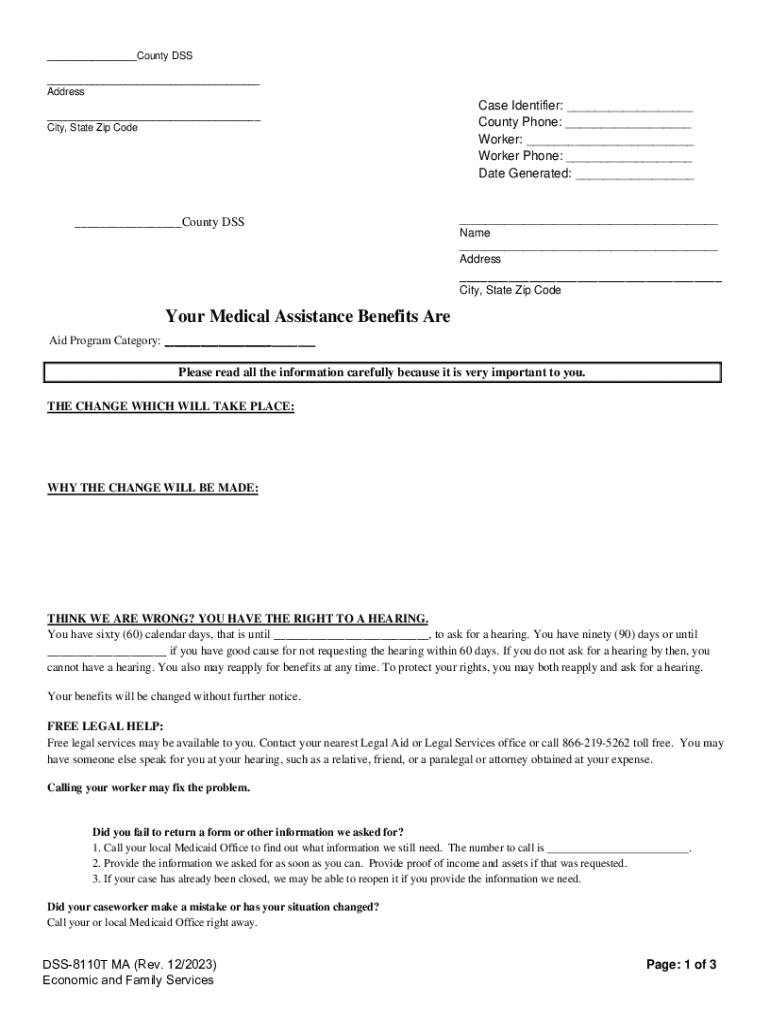







Definition and Meaning
The American Bar Association National Legal Resource Center is a significant component of the legal landscape in the United States. It serves as a comprehensive resource for attorneys and other legal professionals seeking information and support services in various legal sectors. Its primary objective is to ensure that legal practitioners have access to up-to-date information, tools, and guidelines necessary to practice law effectively. By providing these resources, the center aids in maintaining the integrity and quality of legal services across the nation, ensuring consistent application of the law.
How to Use the American Bar Association National Legal Resource Center
For legal professionals looking to utilize the National Legal Resource Center, the first step involves accessing its vast repository of resources, which includes legal research databases, educational materials, and best-practice guidelines. Users can:
- Log into the online portal to access digital libraries.
- Attend workshops and webinars hosted by top legal experts.
- Collaborate with fellow attorneys through networking forums.
- Utilize the center’s tools to refine their legal research and practice management skills.
The center is designed to be user-friendly, allowing legal practitioners to easily navigate its extensive resources and maximize their efficiency when handling legal matters.
How to Obtain Resources from the American Bar Association National Legal Resource Center
Obtaining resources from the National Legal Resource Center is straightforward for members of the American Bar Association (ABA). They can:
- Register as a member of the ABA, if not already.
- Access resources via the ABA’s official website using their membership credentials.
- Browse available resources by category, such as case law, statutes, or practice management.
- Download relevant documents or save them to their personal library for future reference.
These steps ensure that legal professionals can utilize the center’s offerings without delay, staying informed and well-equipped to manage their cases.
Key Elements of the American Bar Association National Legal Resource Center
The center encompasses several key components critical to its function:
- Comprehensive legal databases that include case law and legislative updates.
- Training programs and certifications to bolster professional development.
- Guidelines and best practices for ethical and effective legal practice.
- Tools for networking with other legal professionals to share insights and resources.
These elements collectively support legal professionals in enhancing their knowledge and skills, thereby improving the overall quality of legal services.
Who Typically Uses the American Bar Association National Legal Resource Center
This resource center is predominantly utilized by:
- Attorneys seeking to stay updated on the latest legal trends and resources.
- Law students looking for research material and training resources.
- Judges requiring access to comprehensive legal databases for case evaluations.
- Legal assistants and paralegals who support attorneys in research and case preparation.
Each of these professionals relies on the center for different aspects of their legal work, underscoring its broad utility across the legal field.


Legal Use of the American Bar Association National Legal Resource Center
The materials and guidance issued by the National Legal Resource Center are meant for lawful use in:
- Case preparation and strategy development by providing current legal research and analyses.
- Ensuring adherence to ethical guidelines and legal standards in practice.
- Enhancing advocacy by equipping legal professionals with credible information and methods.
Adherence to the legal use of these materials supports the center’s mission of fostering excellence and accountability in legal practice.
Steps to Complete Applications Using the American Bar Association National Legal Resource Center
Completing applications or utilizing resources through the National Legal Resource Center involves:
- Identifying the specific legal domain for which resources are needed.
- Entering the corresponding section of the resource center on the ABA website.
- Reviewing and selecting applicable resources relevant to their needs.
- Using guidelines and templates provided to fill out forms or prepare legal documents accurately.
- Consulting instructional videos or workshops if additional assistance is required.
These steps streamline access to valuable information, ensuring users can leverage the full potential of the center’s offerings.
Examples of Using the American Bar Association National Legal Resource Center
Practitioners and students might use the center in the following scenarios:
- For litigation research, an attorney accesses the latest legal precedents and updates on case law.
- A law student preparing for moot court uses past case examples and trial strategies hosted by the center.
- Legal compliance officers employ guidelines and templates to review corporate policies against current regulations.
These examples illustrate the practical applications of the center’s resources and how they can be instrumental across different legal contexts.
Important Terms Related to the American Bar Association National Legal Resource Center
Understanding key legal terms is crucial for maximizing the utility of the center. Some significant terms include:
- Case Law: Judicial decisions from previous court cases used as a reference for future cases.
- Statutory Law: Laws enacted by a legislative body, forming a foundational element of legal research.
- Ethical Guidelines: Standards set to ensure professionalism and integrity in legal practice.
- Legal Precedents: Previous court outcomes that influence the decisions in new, similar cases.
Familiarity with these terms ensures that users can navigate the center’s resources effectively and apply the information to their legal practice.