




01. Edit your form online
Type text, add images, blackout confidential details, add comments, highlights and more.

Type text, add images, blackout confidential details, add comments, highlights and more.

Draw your signature, type it, upload its image, or use your mobile device as a signature pad.

Send it via email, link, or fax. You can also download it, export it or print it out.
The "Guardianship of the Person Only Packet" is a vital legal document designed for establishing guardianship over an individual. This packet is specifically used when a person needs to assume certain responsibilities for another individual's personal care and well-being, excluding financial matters. Generally applicable in circumstances where the subject of guardianship might be a minor or an adult unable to care for themselves, the packet is used to petition a court to legally authorize the guardianship. Understanding its definition is crucial, as it distinguishes between types of guardianship and helps petitioners address the unique requirements of the guardianship process focused solely on personal welfare.
Completing the Guardianship of the Person Only Packet involves various steps that ensure accurate and thorough application.
Obtain the Packet: Locate the packet through the appropriate local court or online resources specific to your jurisdiction.
Complete the Initial Petition: Fill out basics such as your relationship with the individual, the reasons for guardianship, and specific care needs.
Provide Supporting Documentation: Include necessary supporting documents, like medical reports or personal references, to substantiate the guardianship request.
File the Petition: Submit the packet to the local probate or family court, where it will be reviewed for completeness.
Attend a Court Hearing: The court will schedule a hearing to evaluate the necessity and suitability of the guardianship — attendance is mandatory.
Comply with Court Instructions: Follow any court-issued instructions or recommendations that may require additional documentation or actions.
Receive Final Decision: Await the court's ruling on the petition; this involves a legal decision to grant or deny guardianship based on the presented evidence and testimonies.
This packet serves as a legal instrument, ensuring that personal guardianship is formally recognized by a court. It delineates the responsibilities a guardian will have, emphasizing care and welfare without financial obligations. Legal use includes:
Familiarity with key terms is essential for effective navigation through the guardianship process:
These terms not only appear frequently in documentation but are also critical for understanding roles and processes throughout the guardianship procedure.
The Guardianship of the Person Only Packet requires specific documents to substantiate the guardianship request:
Providing these documents accurately and promptly is crucial for the successful processing of the packet and petition.
The guardianship process is subject to state-specific regulations, which may affect how packets are completed and adjudicated:
Consulting with a local attorney can be beneficial for understanding these nuances to ensure compliance with all relevant state laws.
This packet is primarily utilized by individuals or entities who find themselves responsible for the care of another who cannot manage their own personal welfare. Typically, users include:
These users engage with the packet to obtain lawful guardianship, ensuring the subject's needs are met and their rights are protected.


Various methods exist for submitting the Guardianship of the Person Only Packet, each with its own procedural particulars:
Understanding the preferred or required submission method in your specific jurisdiction ensures optimal processing, reducing the risk of delays or rejections.
At DocHub, your data security is our priority. We follow HIPAA, SOC2, GDPR, and other standards, so you can work on your documents with confidence.




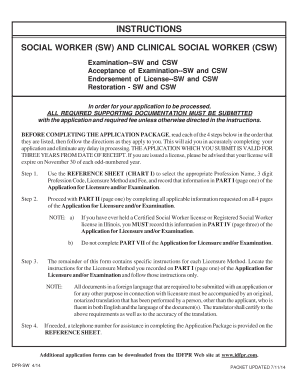
This instructional packet was created to assist individuals, who cannot afford an attorney, with guardianship proceedings. Because guardianship proceedings are
If the victim is a minor, parent or legal guardian, please sign. If you are the legal guardian, please send the. Crime Victims Compensation Program a copy of
A guardianship of the person means you are asking the court to give custody of a child to someone who is not the childs parent. If the court grants the


