
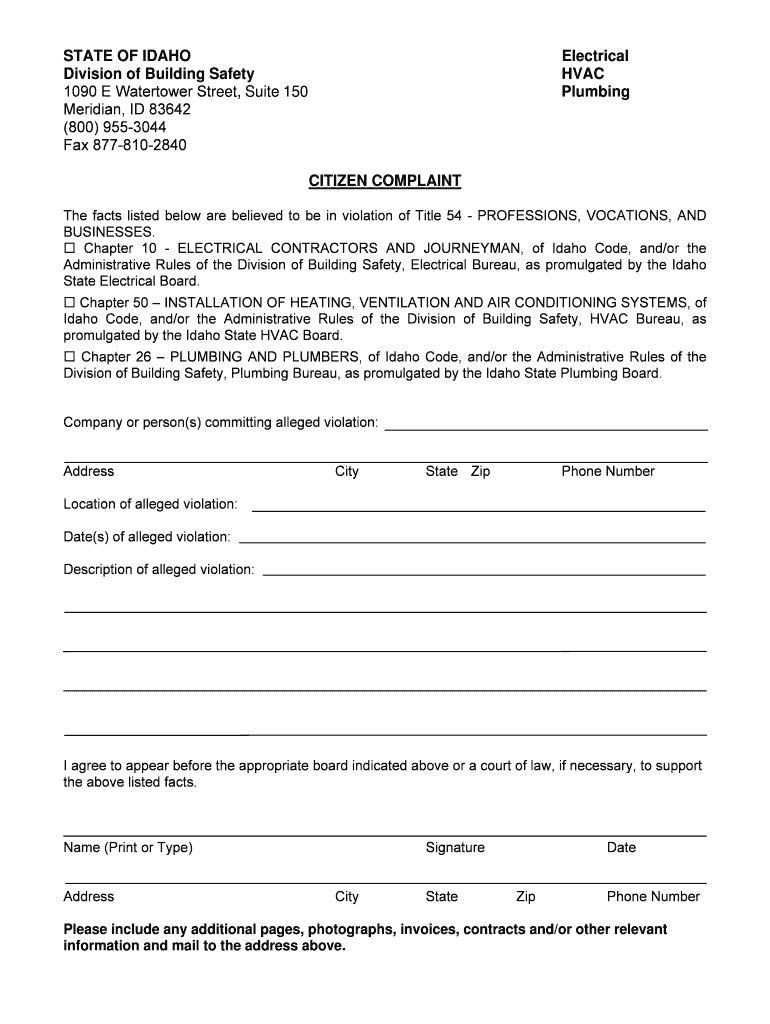







Understanding the Division of Building Safety
The Division of Building Safety plays a crucial role in ensuring that construction and building practices adhere to established safety standards and regulations. This governmental body is responsible for overseeing compliance with building codes to protect public safety, reduce hazards, and ensure that structures are safe for occupancy and use.
- Purpose: The division ensures that buildings and structures meet specific health and safety regulations. This includes overseeing adherence to electrical, plumbing, HVAC, and structural codes.
- Scope: The division's responsibilities may cover both residential and commercial properties, ensuring comprehensive compliance across various types of construction projects.
How to Use the Division of Building Safety
Interacting with the Division of Building Safety helps individuals and businesses ensure compliance with specific state and federal regulations. The division provides various resources, including guidelines, applications, and inspections, to assist in compliance.
- Request Information: Contact the division for guidance on building codes and regulations applicable to your project.
- Submit Plans: Builders need to submit construction plans for review and approval before beginning work.
- Schedule Inspections: Arrange for inspections at different stages of construction to ensure compliance.
How to Obtain the Division of Building Safety Form
To access the Division of Building Safety form, you need to follow certain procedures that vary slightly depending on your location or state jurisdiction.
- Online Access: Visit the official website of your local Division of Building Safety to download the necessary forms.
- Physical Locations: Obtain forms directly from the division’s office or request them by mail.
Steps to Complete the Division of Building Safety Form
Completing the form accurately is crucial to avoid delays in the approval process. Detailed information ensures the division can properly assess compliance.
- Personal Information: Provide the necessary personal and contact details, ensuring accuracy.
- Project Details: Describe the project, including location, type of construction, and scope.
- Regulation Compliance: List codes and standards that the project will follow.
- Submit and Confirm: After completing the form, submit it and confirm receipt with the division.
Importance of the Division of Building Safety
Engaging with the Division of Building Safety is vital for maintaining safety standards in construction.
- Risk Reduction: Ensures that buildings meet safety standards, reducing potential hazards.
- Legal Compliance: Avoids legal issues by adhering to established codes and regulations.
- Public Safety: Protects individuals who live and work in the constructed environments.
Who Typically Uses the Division of Building Safety
The division serves a wide range of users from different sectors of the community who engage in building or construction activities.
- Contractors and Builders: Need to ensure new constructions meet regulatory requirements.
- Architects and Engineers: Ensure design plans adhere to safety codes.
- Property Owners and Developers: Must comply with safety and building codes during renovations or constructions.


Key Elements of the Division of Building Safety Form
The division’s form includes various sections designed to capture comprehensive details about the construction project.
- Project Information: Detailed description of the project scope and purpose.
- Compliance Sections: Sections to declare adherence to specific safety codes.
- Inspector Notes: Area for official inspectors to record their findings and approvals.
State-Specific Rules for the Division of Building Safety
Regulatory requirements can vary by state, necessitating a localized understanding of compliance.
- Variations in Building Codes: Some states may have additional codes alongside federal standards.
- Specific Permits Required: Certain projects might need state-specific permits in addition to general approvals.
- Localized Inspections: States might have their inspection procedures and codes that need adherence.
Legal Use of the Division of Building Safety
Legal compliance with building guidelines is enforced through the division.
- Building Permits: Legal authorization is required before construction can begin, ensuring adherence to safety codes.
- Code Violations: Identifying and rectifying violations is imperative to avoid penalties and ensure the building can be legally occupied.
- Certificate of Occupancy: Issued upon meeting all the necessary regulations, allowing legal occupation of the building.
Examples of Using the Division of Building Safety
Real-world scenarios highlight the division’s role in maintaining construction safety.
- Residential Construction: Ensuring a new residential property meets safety standards before granting occupancy permits.
- Commercial Buildings: Ensuring that commercial spaces comply with regulations that might include accessibility for disabled persons.
- Renovation and Repairs: Maintaining compliance with updated safety standards during significant renovations or repairs.
Each of these sections provides a comprehensive insight into the working, applicability, and importance of the Division of Building Safety, offering detailed guidance for individuals and organizations involved in building and construction activities.




