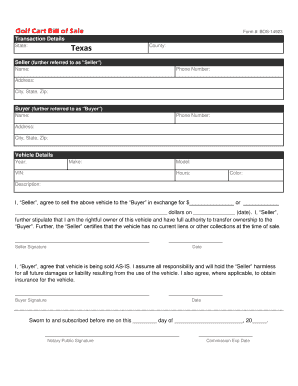
Starkey earmold order form 2026

Get Form
starkey earmold order form Preview on Page 1

Here's how it works

01. Edit your starkey earmold order form online
Type text, add images, blackout confidential details, add comments, highlights and more.

02. Sign it in a few clicks
Draw your signature, type it, upload its image, or use your mobile device as a signature pad.

03. Share your form with others
Send starkey earmold order form via email, link, or fax. You can also download it, export it or print it out.

Definition & Meaning

The Starkey earmold order form is a specialized document used by audiologists and health professionals to order custom earmolds from Starkey Hearing Technologies. These earmolds are crucial components of hearing aids, tailored to fit the unique contour of a patient's ear. The form captures essential details about the patient's hearing needs, specifications for the earmold, and personal information necessary for customization.

Key Information Included

  • Patient Details: Full name, contact information, and any relevant medical history related to hearing.
  • Earmold Specifications: Information such as desired material, style, and color options.
  • Hearing Aid Compatibility: Ensures that the earmold aligns with the patient's specific hearing aid model.

The form plays a critical role in ensuring accuracy and efficiency in the production of earmolds, directly impacting the quality of hearing aid devices.

How to Use the Starkey Earmold Order Form

Using the Starkey earmold order form involves several critical steps that ensure the accuracy and completeness of the order. The process is designed to be both systematic and thorough, ensuring that all necessary data is captured efficiently.

Step-by-Step Process

  1. Gather Patient Information: Before filling out the form, collect personal and medical information about the patient.
  2. Choose Earmold Options: Discuss with the patient to select the appropriate material, style, and any additional features.
  3. Fill Out Form Sections: Enter the collected details into the designated sections of the form, ensuring no fields are left incomplete.
  4. Review for Accuracy: Double-check the form for any errors or omissions that could delay processing.
  5. Submit the Form: Send the form to Starkey using the preferred method, whether digital submission or traditional mail.

Adhering to this process helps to prevent errors that could lead to delays or miscommunication.

Key Elements of the Starkey Earmold Order Form

The Starkey earmold order form is composed of several key elements, each serving a distinct purpose. Understanding these elements helps streamline the ordering process.

Essential Sections

  • Patient Information: Includes demographics and hearing loss specifics.
  • Billing and Shipping Details: Accurate address and billing information ensure correct delivery and payment processing.
  • Earmold Customization: Features selections for style, material, and color, accommodating the patient's preferences.
  • Clinical Data: Audiometric data required for precise earmold production.

These sections form the backbone of the order form, ensuring a comprehensive approach to earmold customization.

Important Terms Related to Starkey Earmold Order Form

There are specific terms within the Starkey earmold order form that users must understand to fill out the form accurately.

Key Terminology

  • Audiometric Data: Refers to the measurements and results from hearing tests that help in customizing the earmold.
  • Earmold Style: Refers to the shape and size of the earmold, tailored to fit the user's ear.
  • Material Options: The type of material used for the earmold, which may affect comfort and performance.
  • Color Selection: The customization of the earmold's color to match preference or camouflage within the ear.

Understanding these terms aids health professionals in articulating the needs and preferences of patients effectively.

Steps to Complete the Starkey Earmold Order Form

Completing the Starkey earmold order form accurately is essential for the timely and correct production of custom earmolds.

Sequential Instructions

  1. Patient Consultation: Conduct a thorough assessment and discuss choices regarding earmold options.
  2. Complete Patient Section: Enter personal and medical information specific to hearing needs.
  3. Select Earmold Attributes: Choose appropriate style, material, and color.
  4. Gather Audiometric Data: Include all necessary hearing test results.
  5. Finalize Form and Submit: Review all entries for accuracy before sending.

Each step is critical to ensure the finished earmold meets the intended specifications.

Who Typically Uses the Starkey Earmold Order Form

The Starkey earmold order form is predominantly used by healthcare professionals, specifically in the audiology field.


decoration image ratings of Dochub

Common Users

  • Audiologists: Professionals who assess hearing and recommend suitable hearing solutions.
  • Hearing Aid Specialists: Experts who provide advice and fitting services for hearing aids.
  • Medical Offices: Clinics that offer a range of audiological services, including earmold customization.

Each user relies on the form to ensure precision and efficiency when ordering custom earmolds for their patients.

decoration image

Legal Use of the Starkey Earmold Order Form

The Starkey earmold order form must be used in compliance with specific legal standards that protect patient information and ensure ethical practice.

Compliance Considerations

  • HIPAA Regulations: Ensure that all patient information entered on the form is handled in accordance with the Health Insurance Portability and Accountability Act to protect privacy.
  • Contractual Agreements: Any commitments made through order forms must adhere to Starkey's contractual terms.
  • Ethical Standards: Healthcare providers must use the form transparently and without coercion to meet patients' best interests.

Adhering to these considerations minimizes legal risk and maintains trust with patients.

State-Specific Rules for the Starkey Earmold Order Form

Certain states may have additional regulations regarding the use of medical order forms, including those for Starkey earmolds.

Variations by State

  • Licensing Requirements: Certain states may require specific certifications for professionals completing the form.
  • State Health Regulations: Unique regulations may dictate how medical data is managed and stored.
  • Insurance Protocols: Variations in coverage may affect how orders are processed and billed.

Professionals should be aware of their state's laws to ensure full compliance when using the form.

Examples of Using the Starkey Earmold Order Form

Real-world scenarios provide context for how the Starkey earmold order form is utilized in professional settings.

Practical Applications

  • Case Study 1: An audiologist orders a hypoallergenic earmold for a patient with sensitive skin, detailing specific materials on the form.
  • Case Study 2: A hearing aid clinic uses the form to order earmolds for a group of schoolchildren, emphasizing durability and easy maintenance.
  • Case Study 3: A private practitioner customizes earmolds for a musician, focusing on aesthetics and acoustic properties.

These scenarios illustrate the form's versatility in meeting diverse patient needs.

be ready to get more

Complete this form in 5 minutes or less

Get form

Got questions?

We have answers to the most popular questions from our customers. If you can't find an answer to your question, please contact us.
Contact us
Your hearing aid dome should be just big enough that it forms a secure seal in your ear canal, but not so big that its uncomfortable or puts pressure on your ear. If your dome is too large, you may feel pain in your ear, voices may sound too deep, and the dome could even get lodged in your ear. What are hearing aid domes? - Oticon oticon.com blog what-are-hearing-aid-d oticon.com blog what-are-hearing-aid-d
Many choices of hearing aid styles are available, including the following: completely in the canal (A), in the canal (B), in the ear (C), behind the ear (D), receiver in canal or receiver in the ear (E), and open fit (F). Hearing aids: How to choose the right one - Mayo Clinic mayoclinic.org hearing-aids art-20044116 mayoclinic.org hearing-aids art-20044116
Its easy to get started Talk to an expert. Chat now or call us at (888) 481-5512. Schedule an appointment. Meet with a local hearing healthcare professional. Where to buy. Find a clinic near you that sells Starkey hearing aids.
In addition to making sounds louder, hearing aids also filter out background noise. Many people assume that hearing aids just make sounds louder. And while this is their main function, its not the only onesome hearing aids also reduce background noise so you can tell different sounds apart. Noise Canceling Hearing Aids: How They Work - WebMD webmd.com connect-to-care hearing-loss webmd.com connect-to-care hearing-loss
0:58 2:37 Next position the tubing. Take the new tubing. And hold it up to the ear mold in the letter L. YouMoreNext position the tubing. Take the new tubing. And hold it up to the ear mold in the letter L. You want this pointy side to go through the ear mold.

Security and compliance

At DocHub, your data security is our priority. We follow HIPAA, SOC2, GDPR, and other standards, so you can work on your documents with confidence.
Learn more
ccpa2
pci-dss
gdpr-compliance
hipaa
soc-compliance
be ready to get more

Complete this form in 5 minutes or less

Get form

People also ask

What is the life expectancy of a Starkey hearing aid? Generally speaking, in-the-ear hearing aids tend to last up to five years, while behind-the-ear hearing aids typically last five to six years. Largely, it depends on how well you take care of your hearing aids.
0:35 8:42 They also deliver quality sound however this level of customization. Comes at a cost i calledMoreThey also deliver quality sound however this level of customization. Comes at a cost i called several different aiologists. And hearing aid instrument specialists in my area.

starkey order forms