




01. Edit your form online
Type text, add images, blackout confidential details, add comments, highlights and more.

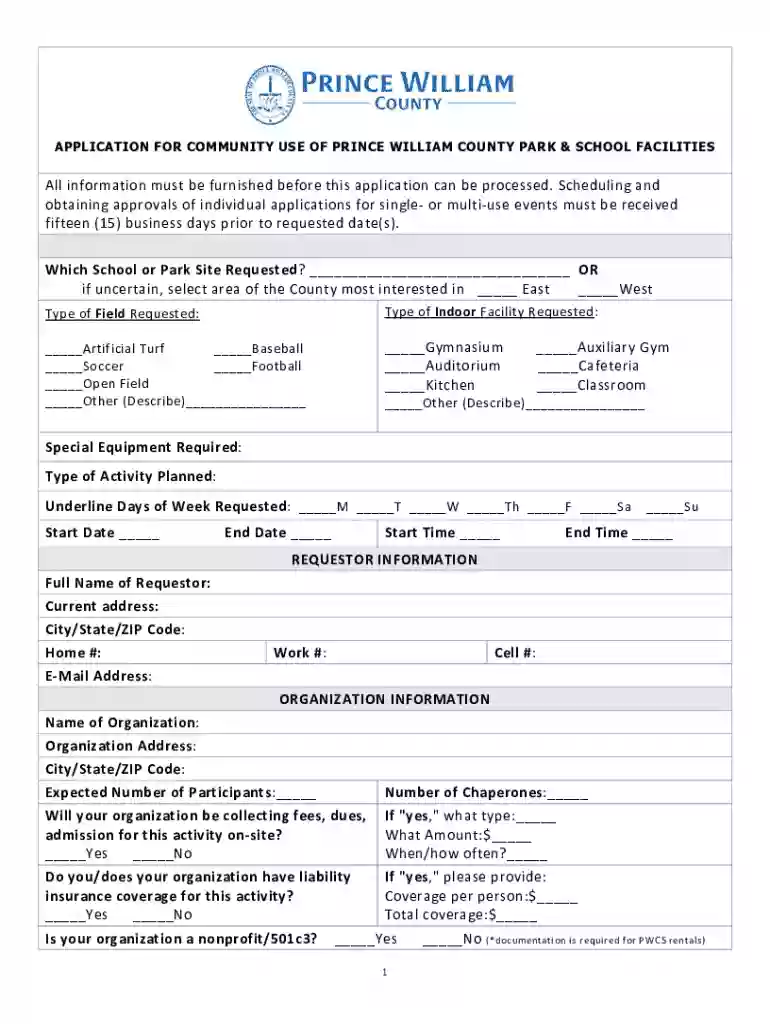
Type text, add images, blackout confidential details, add comments, highlights and more.

Draw your signature, type it, upload its image, or use your mobile device as a signature pad.

Send it via email, link, or fax. You can also download it, export it or print it out.
The phrase "All information must be furnished before this application" refers to a requirement that all necessary data and details must be provided before the processing of a specific form or application. This directive ensures that applications are complete and prevents delays due to missing or incomplete information. In the context of applications, whether they are for business permits, tax filings, or facility reservations, this requirement emphasizes the importance of thoroughness and preparedness.
Completing an application where all information must be furnished beforehand involves several organized steps to ensure accuracy and compliance.
Gather Required Information: Before starting the application, collect all the necessary documents and information. This might include personal identification details, financial statements, or organizational data.
Review Application Guidelines: Carefully read any instructions or guidelines related to the application to understand which specific details are required and how they should be presented.
Complete All Sections: Fill out each part of the application thoroughly. Ensure every section has detailed inputs as required, and double-check for accuracy.
Provide Supporting Documents: Attach any required supplementary documents. These might be verification papers, forms of identification, or any additional evidence necessary for application processing.
Double-Check All Entries: Review the entire application to ensure all information is correctly and fully filled out. This step helps avoid rejections due to incomplete or incorrect information.
Submit the Application: Once verified, submit the application through the specified method, whether online, by mail, or in-person.
For any application where complete information is required before submission, the provision of necessary documents is crucial. Typical documents may include:
Providing these documents substantiates the application, ensuring that all claims and inputs are verifiable and accurate.
When dealing with an application that demands complete information before submission, several fundamental elements must be addressed:
Each of these components contributes to a comprehensive and compliant application.
The process and timeline for applications requiring all relevant information can vary:
Knowing these aspects helps manage expectations and allows for planning around the application's progress.
Understanding the legal context in which an application is used is essential for compliance:
Such legal insights protect against potential violations or legal conflicts.
Failing to furnish all necessary information in a mandatory application could lead to consequences:
Being aware of these penalties underscores the importance of thorough and accurate applications.
Understanding the audience for an application requiring all information can clarify its relevance:
Recognizing who generally engages with these applications helps tailor preparatory efforts accordingly.
At DocHub, your data security is our priority. We follow HIPAA, SOC2, GDPR, and other standards, so you can work on your documents with confidence.
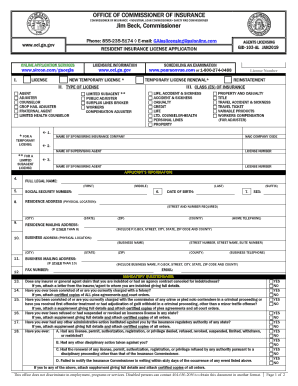
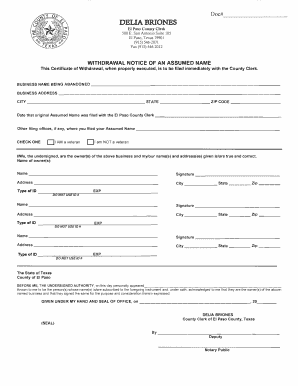
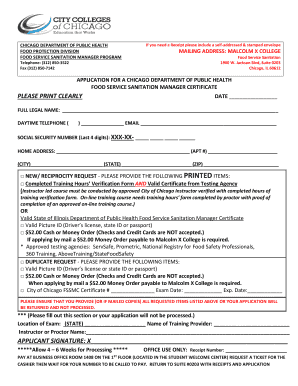
Scheduling and obtaining approvals of individual applications for single- or multi-use events must be received fifteen (15) business days prior to requested
Information should be. Uniquely. Identified and. Unambiguously. Defined. The information (and underlying data) must be captured and made available to all.
The Secretary shall furnish such person, free of all expense, all instructions and forms necessary to apply for that benefit.


