




01. Edit your form online
Type text, add images, blackout confidential details, add comments, highlights and more.

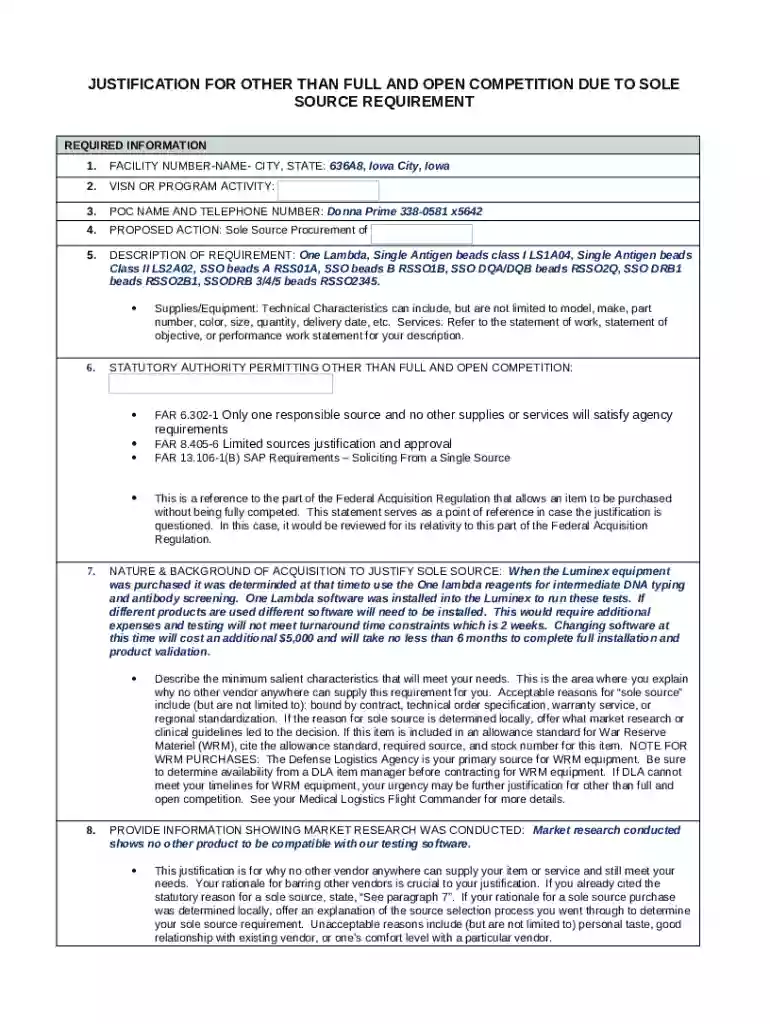
Type text, add images, blackout confidential details, add comments, highlights and more.

Draw your signature, type it, upload its image, or use your mobile device as a signature pad.

Send it via email, link, or fax. You can also download it, export it or print it out.
The Comprehensive Healthcare Inspection is an evaluative process aimed at assessing the quality, safety, and efficacy of healthcare services provided in Iowa City. This inspection ensures that healthcare facilities comply with established standards and regulations, maintaining a high level of patient care. It involves the thorough examination of various healthcare processes, including patient safety protocols, staff competencies, and facility management practices. Through this inspection, healthcare providers can identify areas for improvement, which ultimately enhances service delivery and patient satisfaction.
The inspection is primarily utilized by healthcare administrators, regulatory bodies, and accreditation organizations. These stakeholders use the inspection to ensure healthcare facilities meet required standards and provide quality care. Additionally, it serves as a valuable tool for healthcare providers looking to identify gaps in service delivery and drive quality improvement initiatives.
Consider a scenario where a local hospital in Iowa City undergoes a comprehensive healthcare inspection and identifies deficiencies in its patient discharge procedures. By implementing the inspector's recommendations, the hospital improves communication and coordination during discharge, leading to enhanced patient outcomes and reduced readmission rates. This real-world example underscores the inspection's role in fostering operational improvements and enhanced patient care.
For healthcare facilities managing inspection-related documentation, software solutions like DocHub offer robust support. With DocHub's suite of tools, facilities can edit, sign, and securely store inspection documents. Its seamless integration with Google Workspace further enables facilities to import and export relevant documents with ease, facilitating an efficient documentation workflow during the inspection process.
The Comprehensive Healthcare Inspection helps ensure that healthcare providers operate within legal frameworks set by state and federal authorities. Compliance with these legal obligations not only mitigates the risk of penalties but also enhances the institution's reputation for delivering quality care. Ensuring legal and regulatory compliance through inspections fosters trust among patients and the general public.
Healthcare facilities can submit inspection documentation and responses to findings through various methods:
The choice of submission method often depends on facility resources, regulatory requirements, and personal preferences, ensuring flexibility and accessibility for all healthcare providers in Iowa City.
At DocHub, your data security is our priority. We follow HIPAA, SOC2, GDPR, and other standards, so you can work on your documents with confidence.




The University of Iowa Design Standards . Procedures is for use by architects, engineers, interior designers (hereafter referred to as. Design Professional)
A comprehensive evaluation of potentially preventable admissions can provide a more complete assessment of the continuity of care and of the functioning of the


