
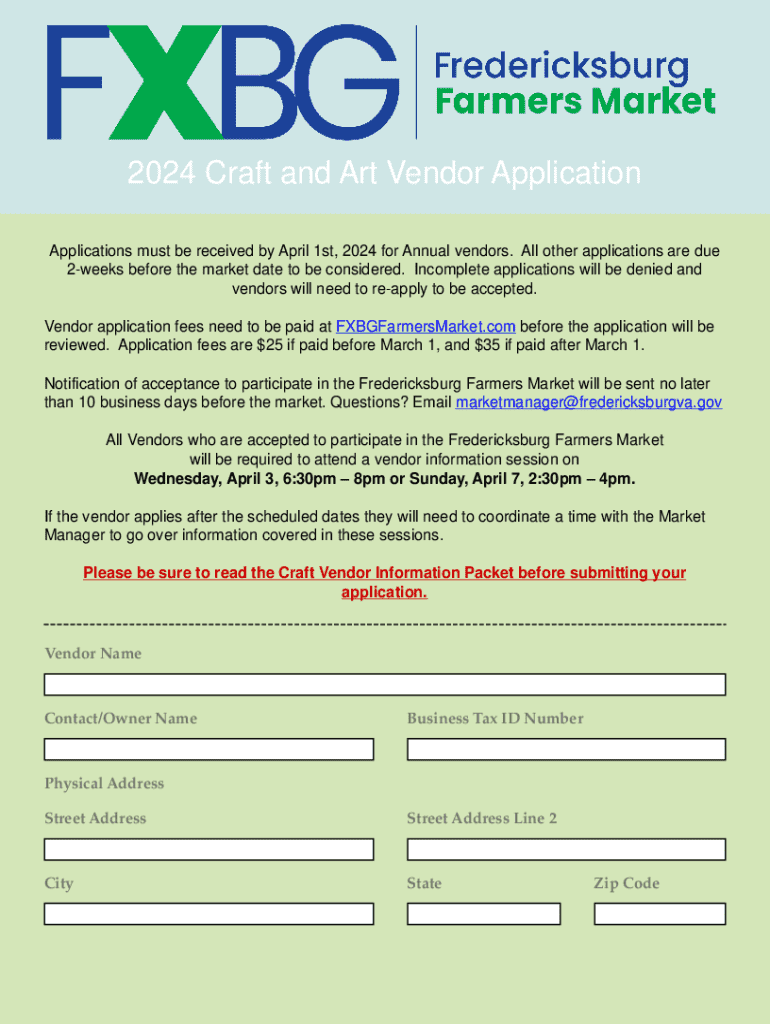







Definition and Meaning of Greenway Artisan Markets
The term "Greenway Artisan Markets" refers to a community-focused marketplace that typically brings together local artisans, crafters, and makers to showcase and sell their handmade goods. These markets often emphasize sustainability, supporting small businesses, and fostering a sense of community among both vendors and shoppers. The markets can include a wide range of products such as handmade jewelry, artwork, textiles, and locally sourced food items. By providing a platform for artisans to sell their goods directly to consumers, Greenway Artisan Markets contribute to the local economy and encourage the preservation of traditional crafts and artisanal skills.
How to Use the Greenway Artisan Markets
Participating in or visiting a Greenway Artisan Market involves a few straightforward steps, whether you are a vendor or a customer. Vendors need to prepare their products, ensure that their stall is visually appealing, and engage with customers by sharing the story behind their creations. Customers, on the other hand, can enjoy a diverse shopping experience by browsing through various artisan booths, learning about different crafts, and purchasing unique, handmade items.
Vendor Participation
- Apply ahead of time to secure a booth.
- Set up your display to attract customers.
- Provide clear pricing and product information.
Customer Engagement
- Explore different stalls to discover unique items.
- Ask vendors about their products’ stories and creation processes.
- Make purchases directly from artisans to support their craft.
Steps to Complete Registration for Greenway Artisan Markets
For artisans looking to join the Greenway Artisan Markets, registration usually involves a series of specific steps to ensure a smooth participation process.
- Review the Market Guidelines: Each market has specific rules and expectations that vendors must familiarize themselves with.
- Submit an Application: Applications typically require basic details about the vendor's business, products, and booth setup.
- Pay Necessary Fees: Depending on the market, registration fees might vary based on stall size or location.
- Attend Orientation: Some markets may offer orientation sessions to brief vendors on market logistics and expectations.
- Set Up Your Stall: Bring all necessary materials to set up a visually appealing and functional marketplace stall.
Why Participate in Greenway Artisan Markets
Artisans choose to participate in Greenway Artisan Markets for numerous reasons. Firstly, these markets offer direct exposure to local customers who are interested in purchasing sustainable and handmade products. This face-to-face interaction helps in building a loyal customer base and increases brand recognition. Furthermore, these markets provide a supportive environment among vendors, with opportunities for networking and collaboration. By showcasing at these events, artisans have the platform to receive immediate feedback on their products and can tailor their offerings accordingly.
Legal Use and Compliance for Vendors
Vendors at Greenway Artisan Markets must comply with all legal standards necessary for selling goods in their respective localities. This can include acquiring necessary permits, adhering to safety regulations, and ensuring that all products are appropriately labeled and priced. Compliance with sales tax regulations is required, so vendors must keep records of sales and report them according to state laws. Markets may also require proof of liability insurance to protect against accidents or damages occurring on site.
- Obtain vendor permits and licenses.
- Follow food safety regulations if applicable.
- Comply with labeling and truth-in-advertising laws.
Key Elements of the Greenway Artisan Markets Application
Successful applications for the Greenway Artisan Markets include several critical elements. First, detailed descriptions of the products you plan to sell are vital, including materials used, pricing, and any unique features. High-quality photographs of the products can enhance the application, offering a visual representation to market organizers. Additionally, a well-articulated story or background of the artisan or business can set an application apart by giving context to the products and their origin.
Required Elements
- Product descriptions and high-quality images.
- Explanation of your business and craft process.
- Any unique selling points or certifications (such as organic, fair trade).
State-Specific Rules and Regulations
While Greenway Artisan Markets share core features, they may be subject to variations in rules and regulations depending on the state of operation. This can impact everything from the types of permits required to specific safety and sales tax regulations. Vendors need to be aware of any state-specific requirements to ensure compliance and avoid potential fines or penalties.
Examples by State
- California: Stricter regulations on health and safety for food products.
- Texas: Consideration of sales tax collection and remittance.
- New York: Licensing may be required for certain types of crafts or goods.
Examples of Using the Greenway Artisan Markets
Artisans and small businesses can leverage the Greenway Artisan Markets in various ways. For instance, a local jewelry maker might use the market to introduce a new collection or test the market for innovative designs. A small food producer could use the market as a venue to launch a new product, gather customer feedback, and build a local customer base. Each participation provides opportunities for product testing, branding, and direct consumer selling that are challenging to replicate in an online environment.
- Case Study 1: A new textile artisan launching eco-friendly clothing.
- Case Study 2: An established candle maker offering seasonal scents.
- Case Study 3: A local farm introducing a new line of organic produce.




