




01. Edit your form online
Type text, add images, blackout confidential details, add comments, highlights and more.

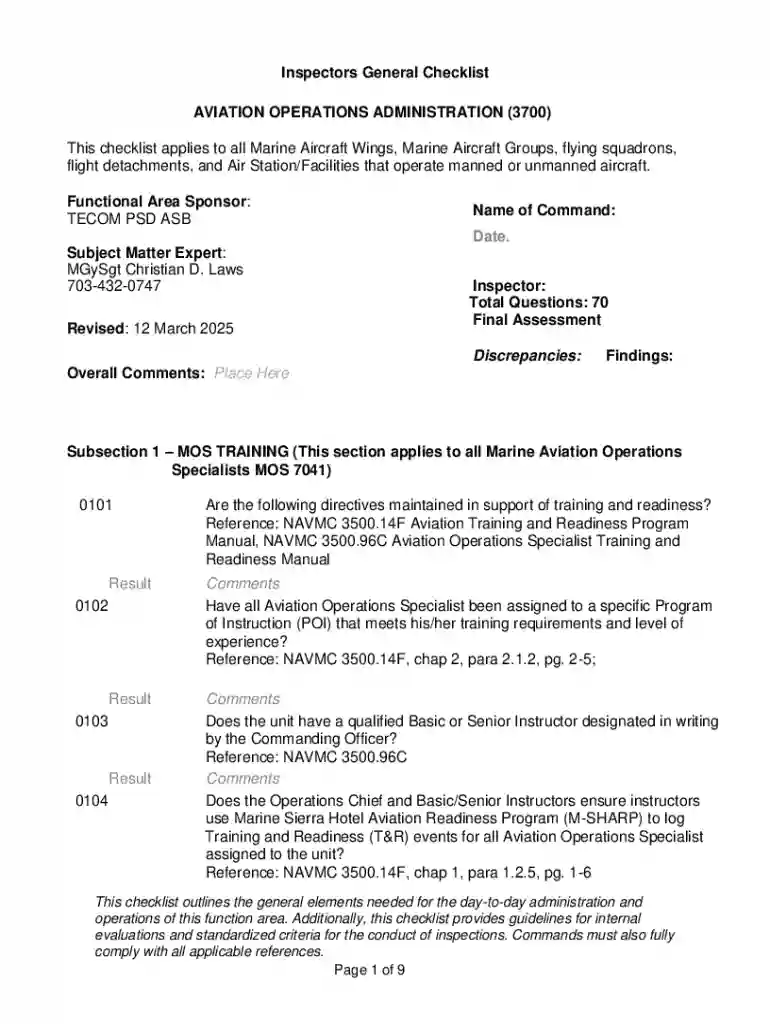
Type text, add images, blackout confidential details, add comments, highlights and more.

Draw your signature, type it, upload its image, or use your mobile device as a signature pad.

Send it via email, link, or fax. You can also download it, export it or print it out.
The "Inspectors General Checklist" serves as a comprehensive guideline designed to facilitate the review and evaluation of aviation operations within Marine Aircraft Wings, groups, squadrons, and facilities. It focuses on both manned and unmanned aircraft systems, ensuring that all operational aspects meet standardized criteria and administrative best practices. This checklist includes essential elements such as training management, directives compliance, and logbook maintenance, which support the meticulous oversight needed for efficient and secure operations.
The checklist comprises various sections crucial for maintaining operational readiness and efficiency:
Maintaining stringent control over daily operations through the "Inspectors General Checklist" helps identify areas needing improvement, supports the adherence to safety standards, and ensures comprehensive administrative oversight. The checklist's thorough approach enables aviation facilities to maintain high levels of operational excellence and readiness.
Utilizing the checklist effectively requires a systematic approach, integrating specific operational facets with predefined evaluation criteria. To maximize utility:
Various software platforms and document management systems can support the implementation of the checklist, enhancing the efficiency of evaluations and the accuracy of records kept. This includes utilizing platforms like DocHub for seamless document handling and collaboration.
The primary users of this checklist are personnel involved in administration, quality assurance, and operational oversight within Marine Aircraft Wings and aviation facilities. These roles include:


Effective use requires collaboration across departments, ensuring all stakeholders understand their roles and contributions. By clearly communicating the checklist's objectives and establishing a common understanding, units can work more cohesively towards operational excellence.
Integral components of the checklist address varied operational domains, ensuring all critical areas are systematically evaluated:
By maintaining uniformity in evaluations, the checklist ensures all inspections meet the same high standards, regardless of location or personnel, thereby reinforcing operational consistency and safety.
While the "Inspectors General Checklist" is broadly applicable, certain state-specific regulations may influence its application. Though it's mainly a federal-level guideline, local variations can arise:
Understanding state-specific rules requires coordination with local legal advisors or compliance officers who are familiar with regional variations and can guide appropriate adjustments while remaining aligned with federal mandates.
Numerous scenarios illustrate the potential application and benefits of the checklist within aviation operations:
By deriving lessons from these examples, facilities can better leverage the checklist to drive continuous improvements and high standards.
DocHub enhances the management of the "Inspectors General Checklist" by facilitating the creation and administration of fillable forms, which streamline data collection:
Using DocHub's capabilities means that all necessary information is captured accurately and efficiently, reducing errors and ensuring compliance with the checklist's criteria.
Understanding the legal implications of the checklist's use is essential for compliance and operational integrity. It ensures that all processes are consistent with regulatory and legal standards.
By adhering to these standards, organizations safeguard themselves against legal repercussions and enhance the credibility and reliability of the completed checklists.
At DocHub, your data security is our priority. We follow HIPAA, SOC2, GDPR, and other standards, so you can work on your documents with confidence.
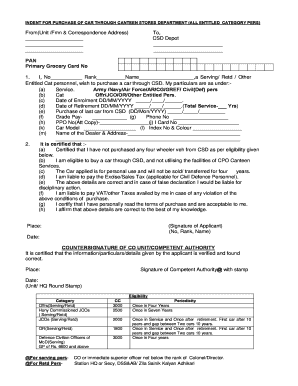
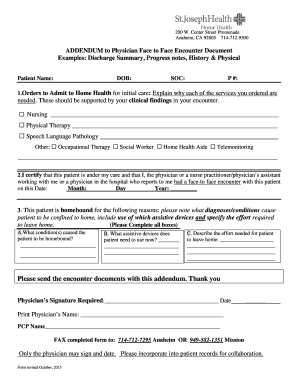



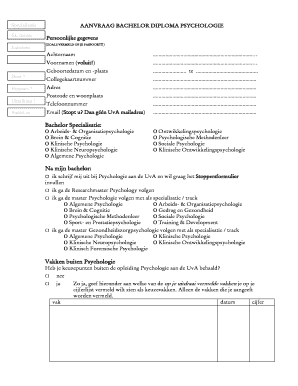
The checklist covers general workplace cleanliness, fire safety (like exit signs and extinguishers), and earthquake safety (anchoring tall items and securing
Dec 4, 2024 Onboarding checklist workflow for recording new employee information along with multiple approval stages pre-assigned to placeholder users.


