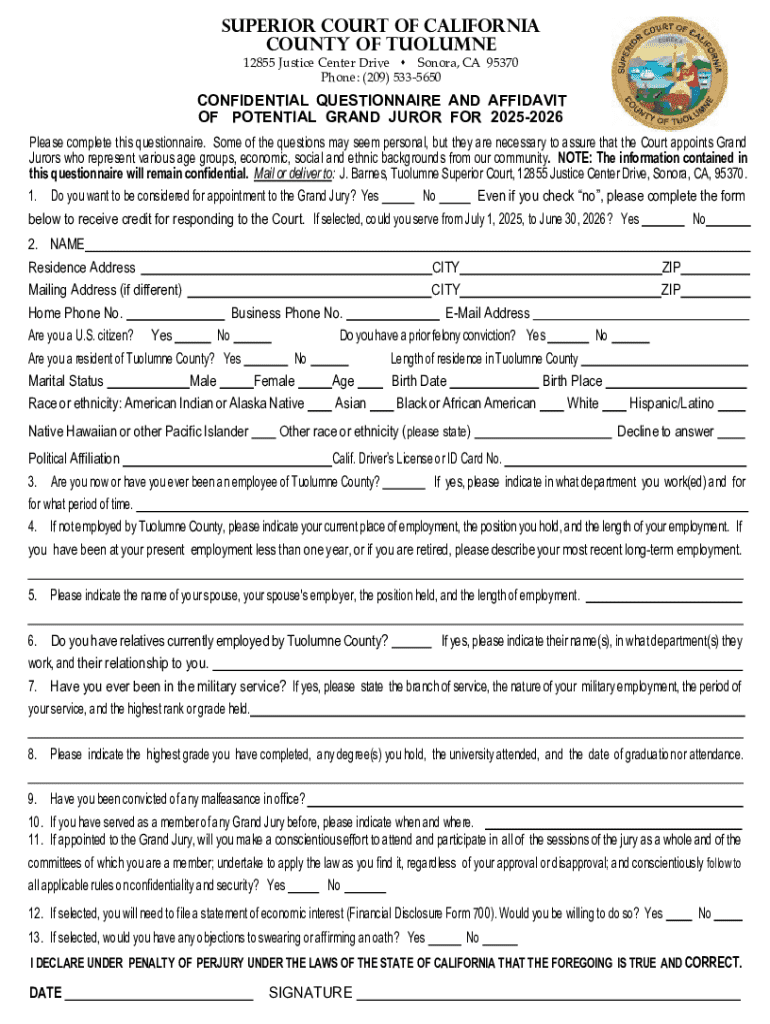







Definition & Meaning
The "Court denies Tuolumne County GOP's request for review of" references a legal action where the court decides not to entertain or reconsider a request from the Tuolumne County GOP for a review, potentially of a previous case or decision. The denial implies the court found no merit or necessity to revisit the issue presented.
- Legal Importance: This decision indicates the court's position on preserving the original ruling or order, emphasizing a commitment to procedural efficiency and finality in legal matters.
- Implications: Such denials can impact the strategic decisions of the Tuolumne County GOP, as it must explore alternative legal remedies or accept the standing decision.
How to Use the Court Denies Tuolumne County GOP's Request for Review of
Understanding how to navigate legal denials is crucial:
- Analyze Court's Reasoning: Review the court's detailed explanation for the denial. This might offer insights into aspects that were found lacking or unpersuasive.
- Alternative Options: Depending on the nature of the denial, consider exploring other legal channels, such as filing an appeal or petitioning a higher court.
- Consult Legal Counsel: Engaging a lawyer can provide guidance through complex legal landscapes and help identify any overlooked opportunities.
Steps to Complete the Court Denies Tuolumne County GOP's Request for Review of
Navigating the aftermath of a court denial requires a methodical approach:
- Obtain Official Documentation: Secure all relevant documents, including the court's decision and any accompanying notes or explanations.
- Review Legal Grounds: With legal counsel, dissect the legal basis for the denial to understand potential flaws in the original request.
- Identify Alternative Remedies: Determine if there are other legal avenues available, such as filing an appeal or seeking a different court's intervention.
- Prepare Necessary Documents: Compile any additional evidence or arguments to support further actions.
- File New Petitions: If pursuing further legal action, adhere to proper filing procedures, deadlines, and format specifications.
Important Terms Related to Court Denies Tuolumne County GOP's Request for Review of
Gaining clarity on key legal terms is essential:
- Request for Review: A legal plea to reconsider a court's decision.
- Denial: Formal rejection by the court, indicating no further consideration will be given to the request presented.
- Affirmation: When the original decision is maintained despite requests for change.
- Appeal: A procedural move to take a matter to a higher court for potential overturn or reassessment of a decision.
Key Elements of the Court Denies Tuolumne County GOP's Request for Review of
Several foundational elements factor into such requests and their outcomes:
- Merit of the Request: The court assesses whether the request holds substantial legal ground or presents new, compelling evidence.
- Adherence to Legal Protocols: The proper legal format, timeliness, and procedural compliance significantly influence a request's acceptance.
- Judicial Discretion: Courts have broad discretion to deny requests based on legal policy preferences or conserving judicial resources.
Legal Use of the Court Denies Tuolumne County GOP's Request for Review of
The use of such denials in legal practice encompasses various aspects:
- Precedent Setting: These decisions may establish precedents affecting future similar cases, guiding judicial interpretation.
- Strategic Legal Planning: Understanding denial implications informs legal strategy development, influencing whether to pursue alternative litigation paths.
Examples of Using the Court Denies Tuolumne County GOP's Request for Review of
Real-world scenarios can illuminate practical applications:
- Political Legal Cases: Denials are common where political entities seek judicial review on governmental rulings or policies that affect their operations.
- Decision Finality: When a court's denial is leveraged to demonstrate the finality of legal decisions, underscoring judicial efficiency.
Filing Deadlines / Important Dates
Timely action and awareness of deadlines are critical components:
- Deadline for Reconsideration: Post-denial, parties have limited time to file new motions.
- Appeal Periods: Specific filing periods dictate the window for escalating the matter to a higher court.
Who Issues the Form
Understanding the entities or courts responsible for issuing denials is key:
- Judicial System: Generally, state or federal court judges issue such denials following procedural rules and guidelines.
- Clerical Offices: Court administrative offices often handle the processing and dissemination of denial forms.
Eligibility Criteria
Determining legal capacity to file requests is foundational:
- Standing: Parties must demonstrate a direct, tangible interest in the matter.
- Timely Filing: Requests should be filed within specified timelines and procedural parameters to be considered.


State-Specific Rules for the Court Denies Tuolumne County GOP's Request for Review of
Each state's legal provisions can differ:
- California Jurisdiction: Specific codes and regulations in California govern the processes for review requests and their denials.
- Local Legal Variances: State-by-state nuances might affect the likelihood of court grants for reviews, impacted by local laws or prior state court rulings.
State-by-State Differences
Cross-comparisons between states provide broader legal context:
- Varying Legal Precedents: Different states maintain diverse legal precedents influencing court decisions.
- Procedural Disparities: Jurisdictional variations can affect filing processes, deadlines, and overall court openness to hearing review requests.
Penalties for Non-Compliance
Potential repercussions exist for failing to adhere to court protocols:
- Fines and Sanctions: Courts might impose penalties on parties not following legal guidance regarding denied requests.
- Loss of Legal Standing: Forfeiting the right to pursue further actions if procedural errors occur in response to denials.