




Definition and Meaning
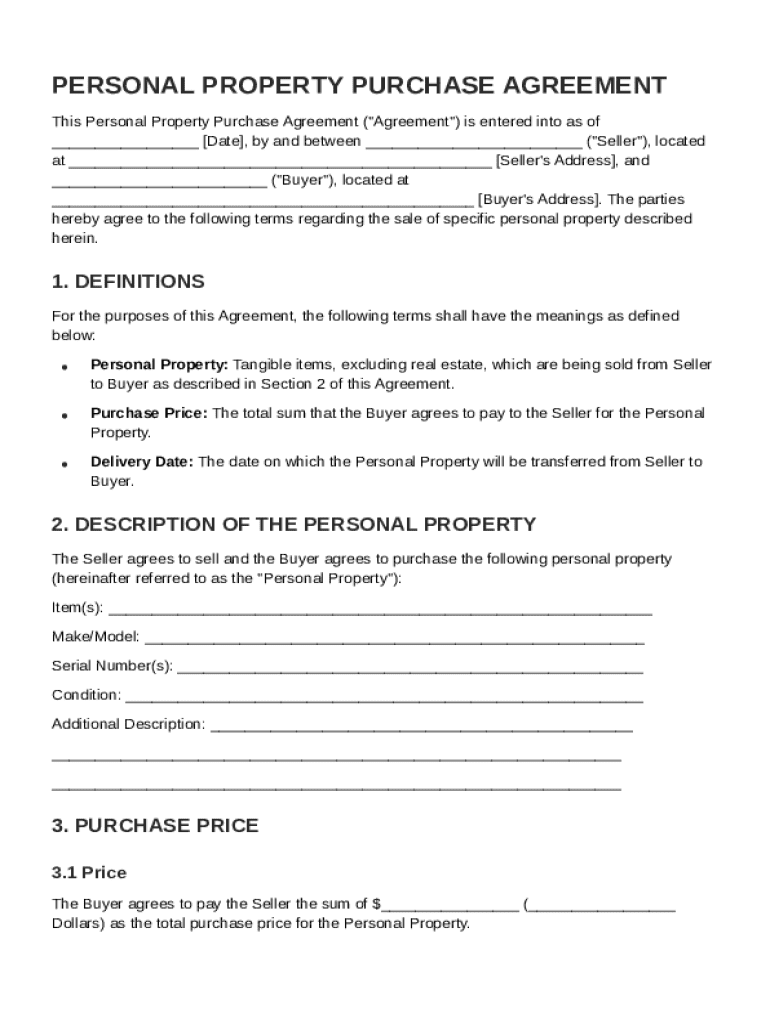
The Personal Property Contract Template serves as a formal agreement between a Buyer and a Seller, detailing the terms for the sale of personal property. This document is designed to outline specific aspects of the transaction, ensuring both parties understand all responsibilities and obligations. The contract typically includes sections such as definitions, item descriptions, purchase price, delivery methods, and legal considerations, providing a clear framework that supports a smooth exchange. This template is instrumental in mitigating misunderstandings and disputes by setting clear expectations and confirming the agreed terms.
Key Elements of the Personal Property Contract Template
The Personal Property Contract Template contains several critical components that ensure a comprehensive agreement. Key elements include:
- Property Description: Details about the type, quantity, condition, and specifics of the property.
- Purchase Price and Payment Terms: Clearly outlines payment amounts, due dates, and accepted payment methods.
- Representations and Warranties: Provides assurances from both parties, such as the seller's ownership rights and the buyer's financial capability.
- Delivery Methods and Risk of Loss: Describes how the property will be delivered and which party bears the risk during transit.
- Legal Provisions: Incorporates governing laws, dispute resolution processes, and clauses about the entirety and severability of the contract.
These components ensure that all necessary information is included, providing a robust foundation for the transaction.
How to Use the Personal Property Contract Template
Using the Personal Property Contract Template involves a series of important steps to customize it for specific transactions. Here's how you can effectively leverage this template:
- Review: Thoroughly go through the entire template to understand its structure and content.
- Customize the Details: Fill in specifics like the property description, purchase price, and parties involved.
- Adjust Legal Language: Modify any legal jargon to better align with the needs of the transaction or seek legal advice for precision.
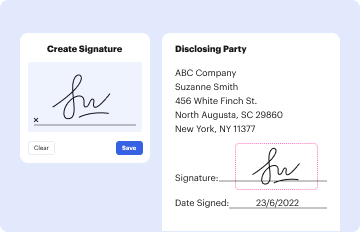
- Set Signatures and Dates: Ensure that both parties sign and date the document to offer mutual acknowledgment and consent of the terms.
These steps allow users to tailor the document to fit the nature and requirements of their specific property sale.
Steps to Complete the Personal Property Contract Template
Completing the Personal Property Contract Template is a systematic process. Follow these steps for effective completion:
- Enter Basic Information: Include names, addresses, and contact details of both Buyer and Seller.
- Detail the Property: Specify the property being sold, including make, model, serial numbers, and pertinent features.
- Set Financial Terms: Clarify the purchase price, payment installments or deadlines, and methods of payment.
- Define Delivery Protocols: Outline how and when the property will be delivered or transferred.
- Review and Amend: Double-check for completeness, errors, or omissions that might affect the legality or clarity of the document.
- Sign and Date: Both parties must sign and date the form to finalize the agreement.
Through these detailed steps, the parties can create a binding and actionable document.
Legal Use of the Personal Property Contract Template
The Personal Property Contract Template is legally significant as it formalizes the terms of a property sale, offering protection and recourse for both parties. Legal considerations include:
- Binding Agreement: Once signed, the template serves as a legally binding agreement, holding both parties accountable to their promises.
- Dispute Resolution: It includes clauses that guide resolution should disputes arise, typically specifying mediation or arbitration.
- Compliance with Laws: Ensures that the transaction conforms to local, state, and federal laws governing property sales.
This template is crucial for facilitating lawful transactions and protecting the interests of involved parties.
Important Terms Related to the Personal Property Contract Template
Understanding key terms within the Personal Property Contract Template is essential for proper use:
- Consideration: The value exchanged between parties, often monetary.
- Title: Legal ownership of the property.
- Indemnity: Protection against claims or damages.
- Force Majeure: Events outside control that may affect obligations, often including natural disasters.
- Severability: Clause ensuring the remainder of the contract is valid even if parts are invalidated.
A solid grasp of these terms helps parties navigate and utilize the template effectively.
Who Typically Uses the Personal Property Contract Template
The Personal Property Contract Template is widely utilized across various sectors:
- Individuals: Private parties engaging in the sale of items such as vehicles, electronics, or collectibles.
- Businesses: Companies acquiring or liquidating assets like office furniture or equipment.
- Legal Professionals: Attorneys drafting or reviewing contracts for clients.
These users benefit from the structured format of the template, which aids in maintaining clear communication and agreed terms.

Examples of Using the Personal Property Contract Template
This template is applicable in numerous real-world scenarios:
- Vehicle Sales: A Seller uses the template to document the sale of a car, outlining the price, condition, and delivery.
- Estate Sales: Executors manage the distribution of personal property from estates to beneficiaries or buyers.
- Business Asset Transfers: Companies utilize the template to formalize the sale of office equipment during mergers or relocations.
In each example, the template supports legal protection and clarity during property transactions.