




Definition and Meaning
A Domiciliary Care Contract Template is a structured document used to outline the agreement between a care provider and a client for services rendered within the client's home. It covers the roles, responsibilities, and expectations of both parties. This template ensures clarity in the provision of care, establishing guidelines that protect the rights of both providers and clients. It encompasses various essential facets, including service scope, payment terms, confidentiality, and dispute resolutions, vital for facilitating personalized care while maintaining the client's dignity and independence.
Key Elements of the Domiciliary Care Contract Template
The Domiciliary Care Contract Template includes several critical elements to ensure a comprehensive agreement. Major components include:
- Service Description: A detailed outline of the types of care and services to be provided.
- Responsibilities: Clear definitions of both the provider's and the client's roles and obligations.
- Compensation and Payment Terms: Information on payment amounts, schedules, and methods.
- Duration and Termination Terms: Conditions under which the contract begins, how it can be extended, and the procedure for termination by either party.
- Confidentiality Provisions: Guidelines for handling the personal and sensitive information of the client.
- Dispute Resolution: Procedures for addressing and resolving conflicts that might arise during the contract term.
Including these elements helps in building trust and setting clear expectations, ensuring a harmonious care relationship.
How to Use the Domiciliary Care Contract Template
Using the Domiciliary Care Contract Template requires careful attention to ensure it is tailored to the specific needs of both the client and the care provider:
- Customization: Begin by adjusting the template to reflect personalized details such as service specifics or unique client requirements.
- Review: Go through all sections carefully to ensure clarity and completeness.
- Consultation: When necessary, consult legal or professional advice to incorporate specific legal requirements or nuances.
- Agreement: Ensure both parties understand and agree to the terms by having discussions before finalizing.
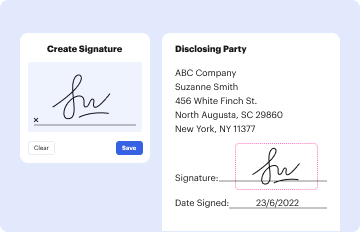
- Signing: Both parties should sign the document to formalize the agreement.
This structured approach ensures that all essential elements are addressed, providing protection and understanding for both parties involved.
Important Terms Related to Domiciliary Care Contract Template
Understanding the terminology within a Domiciliary Care Contract is crucial for both parties:
- Client: The individual receiving domiciliary care services.
- Care Provider: The individual or entity providing care services at the client's residence.
- Service Scope: The detailed list of care services that the provider is expected to deliver.
- Confidentiality: Protection of the client's personal information as stipulated in the contract.
- Termination Clause: Conditions under which the contract can be ended by either party.
Awareness of these terms helps in comprehending the contract's legal and practical implications.
Steps to Complete the Domiciliary Care Contract Template
To complete the Domiciliary Care Contract Template efficiently, follow these steps:
- Gather Information: Collect the necessary details about the client and care provider.
- Fill in Service Details: Specify the range of services to be provided, including schedules and specific responsibilities.
- Define Financial Agreements: Record all payment terms, including fees and payment schedules.
- Outline Confidentiality Protocols: Detail measures to ensure client information remains protected.
- Determine Termination Policies: Clearly state the procedures for ending the contract.
- Double-Check for Comprehensiveness: Ensure no sections are missed, and all details are accurate.
- Seek Feedback: Have both parties review and suggest any modifications if necessary.
- Obtain Signatures: Secure signatures from both the client and the provider to confirm agreement.
This methodical completion process ensures that the contract is thorough and tailored to the specific care situation.
Legal Use of the Domiciliary Care Contract Template
A Domiciliary Care Contract Template serves various legal purposes, ensuring all parties' rights and responsibilities are preserved:
- Documentation: Provides a legal record of the agreement between the parties.
- Conflict Resolution: Acts as a reference in case of disagreements, offering pre-defined solutions to potential issues.
- Legal Compliance: Assures that the care services align with relevant legal standards and regulations.
- Enforceability: The signed contract becomes a legally binding document enforceable in court if breached.
Understanding these legal aspects helps protect both the care provider's and client's interests, reducing risks and promoting clarity.
Examples of Using the Domiciliary Care Contract Template
Real-world application of the Domiciliary Care Contract Template includes scenarios such as:
- Elderly Care: Contracts are used to outline care schedules, setting rules for assistance with daily activities.
- Palliative Care: Specific care procedures are agreed upon for managing serious illnesses at home.
- Rehabilitation Services: Establishes terms for short-term care following surgery or injury.
- Disability Support: Detailed care plans for helping individuals with disabilities maintain independence while receiving necessary support.
These examples demonstrate the template's flexibility and utility across various care situations, providing a customizable framework that meets diverse needs.
State-Specific Rules for the Domiciliary Care Contract Template
Domiciliary Care Contracts may vary based on state regulations in the United States:
- Licensing Requirements: Certain states mandate that care providers must hold specific licenses.
- Insurance Provisions: Some states might require proof of insurance before care services begin.
- State-Specific Legal Clauses: There might be variations in legal clauses, including dispute resolution or confidentiality aspects.
It's essential to consult local legal standards to tailor the contract according to state-specific requirements, ensuring compliance and validity.