




Definition & Meaning
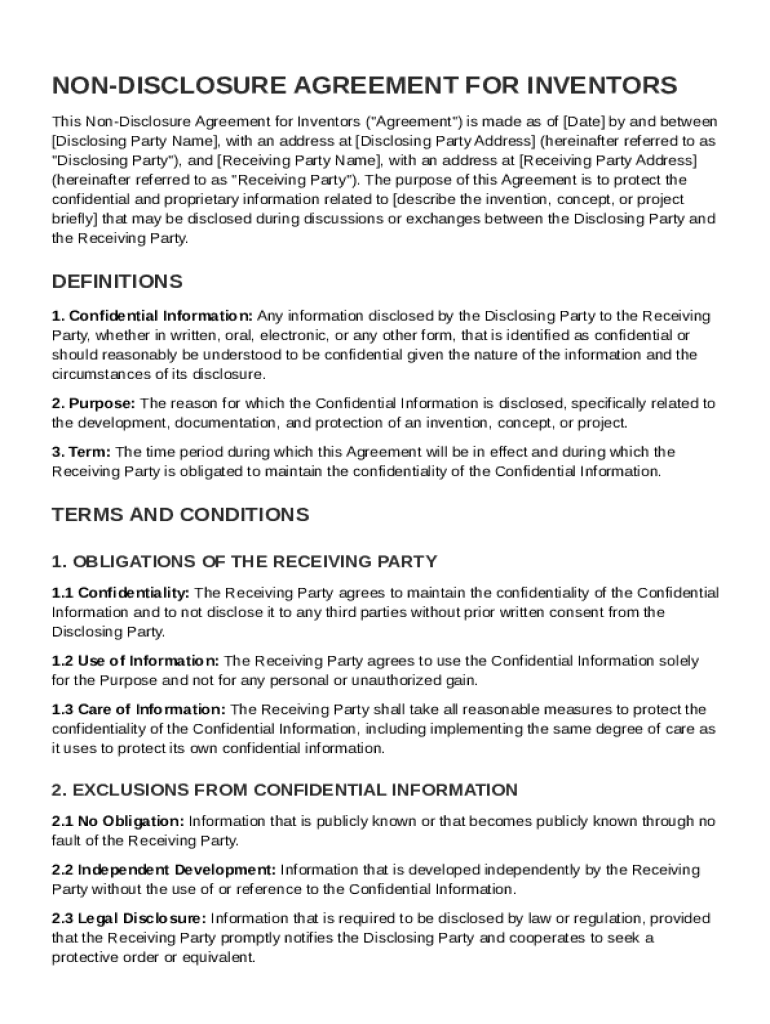
A Non-Disclosure Agreement (NDA) for Inventors is a legal document that establishes the terms under which confidential information is shared between parties, typically an inventor (the Disclosing Party) and a company or individual (the Receiving Party) interested in utilizing the inventor's ideas. This agreement legally obligates the Receiving Party to keep the disclosed information secret and not to misuse it for their own benefit without permission. By defining what constitutes 'Confidential Information,' this agreement helps protect proprietary ideas from unauthorized disclosure or use.
Key Aspects of the NDA
- Confidential Information: This includes any data, materials, or knowledge pertaining to the inventor's ideas that are not publicly known and could potentially benefit competitors.
- Obligations of Parties: The Receiving Party agrees to maintain the secrecy of the shared information and use it solely for a specific purpose agreed upon by both parties.
- Exclusions: Certain information is excluded from confidentiality obligations, such as information that is already public or becomes public through no fault of the Receiving Party.
- Duration: Specifies how long the confidentiality obligations last, which can vary depending on the agreement's stipulations.
How to Use the Non Disclosure for Inventors Agreement Template
Using the Non Disclosure for Inventors Agreement Template effectively involves several steps to ensure it meets the specific needs of the parties involved. It's essential to tailor the template to reflect the unique aspects of the invention and the context of disclosure.
Steps for Customization
- Identify Parties: Clearly define both the Disclosing and Receiving Parties, including their legal names and contact information.
- Specify Confidential Information: Detail the nature and scope of the information considered confidential. This could include prototypes, schematics, business plans, or trade secrets.
- Establish Purpose: Outline the specific purpose for which the Receiving Party is allowed to use the information.
- Set Timeframe: Determine the period during which the NDA is in effect, including any extensions for confidentiality obligations.
- Review and Revise: Carefully review the draft to ensure it covers all necessary provisions and revise as needed for clarity or legal compliance.
Key Elements of the Non Disclosure for Inventors Agreement Template
Understanding the key elements of the NDA helps both parties ensure comprehensive protection and clarity.
Main Components
- Definitions Section: Provides specific definitions for terms used throughout the agreement, minimizing ambiguity.
- Confidentiality Obligations: Detailed obligations for the Receiving Party, emphasizing the need to safeguard the disclosed information.
- Permitted Use Clause: Limits the use of the confidential information to the objectives set out in the agreement.
- Return or Destruction of Information: Outlines procedures for returning or destroying confidential information once the agreement ends or upon request from the Disclosing Party.
- Legal Governance: Specifies legal jurisdictions in case of disputes and the applicable laws.
Legal Use of the Non Disclosure for Inventors Agreement Template
The legally binding nature of NDAs for inventors makes them a critical tool for protecting ideas in the competitive business landscape.
Legal Considerations
- Contractual Validity: The agreement must contain offer, acceptance, consideration, and mutual intent to be legally enforceable.
- Equitable Relief: Provides the Disclosing Party with options for legal recourse in case of breach, including monetary damages or injunctions.
- Jurisdiction and Venue: Determines where and under which court system disputes will be resolved, typically favoring the jurisdiction most convenient for the Disclosing Party.
Examples of Using the Non Disclosure for Inventors Agreement Template
The NDA is widely used across various scenarios involving intellectual property and proprietary information exchange.
Common Use Cases
- Patent Application: Prior to filing a patent, inventors often disclose ideas to potential investors or partners under an NDA to gauge interest and secure funding.
- Licensing Negotiations: When an inventor seeks to license technology to manufacturers, NDAs ensure that discussions remain confidential.
- Research Collaborations: In academic or industrial collaborations involving sensitive research, NDAs protect proprietary methodologies or results from leaking to third parties.
Digital vs. Paper Version
Understanding the differences between digital and paper versions of the NDA ensures that the process of execution and management aligns with modern workflow preferences.
Digital Advantages
- Accessibility: Being able to access digital NDAs from anywhere facilitates easier management and sharing.
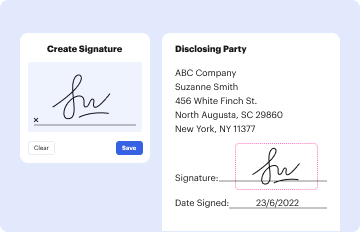
- Efficiency: E-signatures allow for quicker and more convenient signing processes, especially for parties in different locations.
- Security: Digital NDAs can implement encryption and password protection, providing an additional layer of security.
Paper Version Pros
- Physical Records: Hard copies provide tangible evidence of agreements, which can be helpful in legal disputes.
- Traditional Signing: Some parties may prefer or require traditional signatures, which are sometimes perceived as more formal.
Software Compatibility
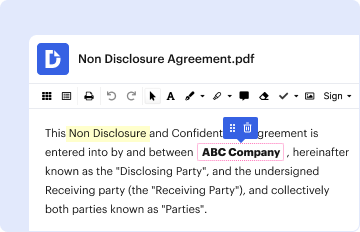
Ensuring software compatibility allows for smooth integration and handling of NDAs when utilizing platforms like DocHub.
Supported File Formats
- Wide Compatibility: Platforms like DocHub support DOC, PDF, PPT, XLS, and TXT files, simplifying integration with existing document formats.
- Google Workspace Integration: Direct import and export from platforms like Google Drive ensure seamless document workflow without needing multiple software solutions.
Steps to Complete the Non Disclosure for Inventors Agreement Template
Completing an NDA involves a series of actions to ensure it is accurate and comprehensive.
- Gather Necessary Information: Collect all relevant details about the invention and the parties involved.
- Customize the Template: Modify sections of the template to reflect the specifics of the agreement between the parties.
- Consult a Legal Professional: If necessary, have the document reviewed by a legal expert to ensure compliance with applicable laws.
- Execute the Agreement: Have all parties sign the agreement, using either physical signatures or reliable electronic methods.
- Store Securely: Store the signed agreement in a secure location, be it a physical file cabinet or a reliable cloud service.