Mean Contract Template 2026

Get Form
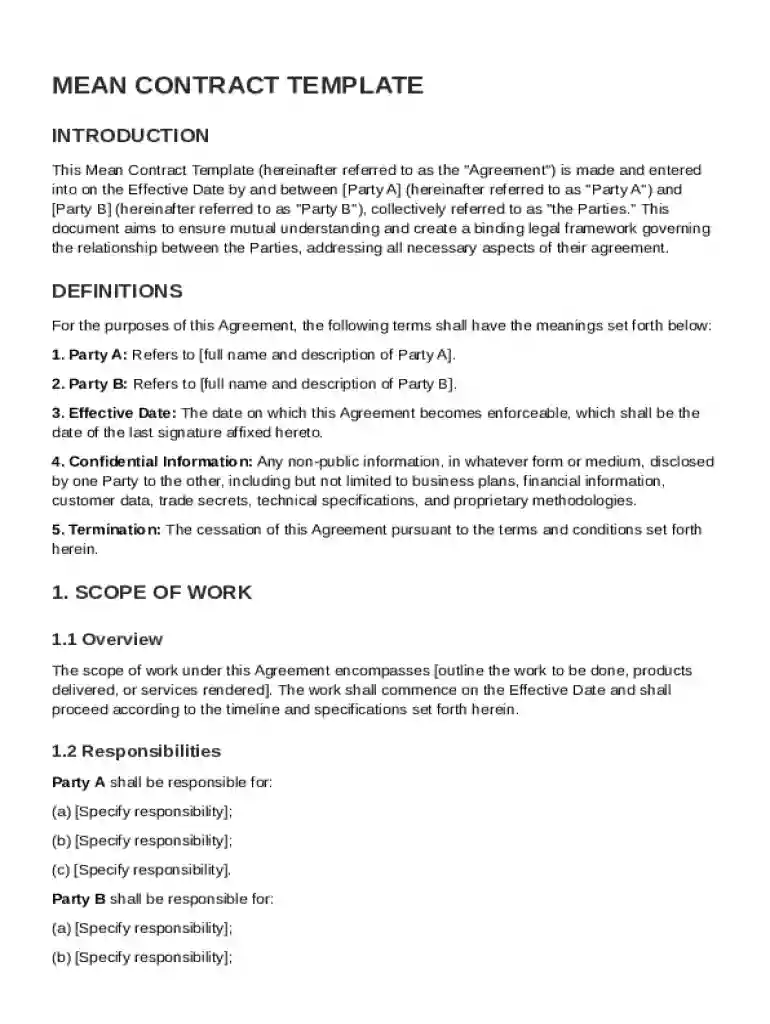
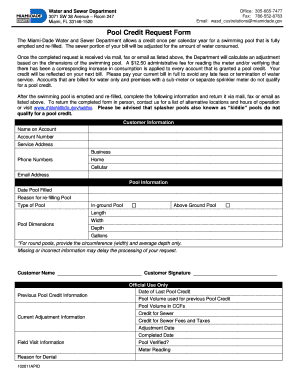
Mean Contract Template Preview on Page 1

Here's how it works

01. Edit your form online
Type text, add images, blackout confidential details, add comments, highlights and more.

02. Sign it in a few clicks
Draw your signature, type it, upload its image, or use your mobile device as a signature pad.

03. Share your form with others
Send it via email, link, or fax. You can also download it, export it or print it out.

Definition and Meaning

The Mean Contract Template is a legally binding document used in professional agreements between two parties. It serves to define the precise terms and conditions of a business relationship, ensuring that both parties understand their roles and responsibilities. This standardized template covers essential aspects such as the scope of work, payment terms, duration of the contract, confidentiality obligations, and dispute resolution methods. By leveraging this template, businesses can streamline the creation of contracts, reduce the likelihood of disputes, and ensure compliance with legal standards.

Key Elements of the Mean Contract Template

Understanding the components of the Mean Contract Template ensures clarity and completeness in formulating agreements. Typical elements include:

  • Scope of Work: Clearly delineates tasks and duties each party is expected to perform.
  • Payment Terms: Specifies the amount, frequency, and mode of payments to be made.
  • Duration: Details the time frame during which the contract will be effective.
  • Confidentiality Clauses: Protect sensitive information by prohibiting unauthorized disclosure.
  • Liability Limits: Establishes the extent of responsibility each party holds in case of contractual breaches.
  • Dispute Resolution: Outlines the procedures for resolving disagreements, including arbitration or litigation steps.

Each element ensures that the agreement is legally sound and provides clear directives for maintaining a professional relationship.

How to Use the Mean Contract Template

Using the Mean Contract Template requires meticulous attention to detail to ensure the agreement's effectiveness. Follow these steps:

  1. Review and Edit: Begin by thoroughly reviewing the template. Customize sections to match the specific requirements of your agreement.
  2. Input Specific Details: Enter the necessary information, such as party names, specific tasks, and monetary amounts, to personalize the template.
  3. Seek Legal Advice: Engage with a legal professional to review the completed template, ensuring that all modifications comply with relevant laws and regulations.
  4. Finalize and Sign: Once both parties agree to the terms outlined, sign the document to execute the contract.

Utilizing a mean contract template is efficient and reduces the risk of errors during the creation of legal agreements.

Steps to Complete the Mean Contract Template

Completing the Mean Contract Template involves several structured steps. Each step ensures comprehensive and legally compliant documentation.

  1. Identify Parties: Clearly state the names and contact details of the parties involved.
  2. Define the Work: Write a detailed description of the work to be performed under the agreement.
  3. Detail Payment Structures: Include all payment information, including rates, schedules, and methods.
  4. Include Important Clauses: Add additional clauses such as confidentiality and liability limitations to protect both parties' interests.
  5. Set the Term: Define the specific duration the contract covers, including start and end dates.
  6. Review and Approval: Review each aspect carefully, ensuring accuracy and completeness before approval.

Following these steps keeps the process organized and ensures each party understands their obligations.

Legal Use of the Mean Contract Template

The use of the Mean Contract Template holds significant importance in legal contexts. It serves as:

  • Evidence in Disputes: Provides a documented reference should conflicts arise, reducing ambiguity in legal proceedings.
  • Compliance Tool: Ensures that agreements comply with applicable legal standards, offering protection from non-compliance penalties.
  • Framework for Amendments: Establishes clear protocols for any changes required during the agreement term, preserving legal integrity.

Using the template appropriately minimizes legal risks and promotes adherence to legal standards across various jurisdictions.

Important Terms Related to the Mean Contract Template

Understanding the terminology associated with the Mean Contract Template is critical. Key terms include:

  • Indemnification: A clause protecting one party from legal responsibility for the other's potential lawsuits or losses.
  • Force Majeure: Relieves parties from liability when contractual obligations cannot be performed due to unforeseen events.
  • Severability: Ensures that if one part of the contract is unenforceable, the rest remains intact.

These terms enhance understanding and provide a solid foundation for contractual agreements.

State-Specific Rules for the Mean Contract Template

State-specific regulations may affect how the Mean Contract Template is used. Variations can exist due to:

  • Contractual Laws: Different states may have unique requirements for contract forms, affecting enforceability.
  • Business Regulations: Local business environment and practices can dictate specific contractual obligations or protections.
  • Dispute Resolution Preferences: Some states prefer mediation over arbitration for resolving contractual disagreements.

Being informed of state-specific rules ensures the contract remains valid and enforceable in its jurisdiction.

Examples of Using the Mean Contract Template

Real-world scenarios illustrate the effectiveness of the Mean Contract Template:

  • Freelance Agreements: Establish clear expectations for project deliverables, timelines, and payment schedules.
  • Partnership Deals: Outline roles, responsibilities, and profit-sharing models between business partners.
  • Supplier Contracts: Define product specifications, delivery terms, and payment conditions to minimize disruptions in supply chains.

Utilizing such examples can guide users in creating robust contracts tailored to specific business needs.

be ready to get more

Complete this form in 5 minutes or less

Get form

Got questions?

We have answers to the most popular questions from our customers. If you can't find an answer to your question, please contact us.
Contact us
The seven essential elements of a contract are: Offer. Acceptance. Consideration. Legally competent parties. Meeting of the minds. Terms of the contract. Legality of purpose.
Write the contract in six steps Start with a contract template. Open with the basic information. Describe in detail what you have agreed to. Describe how the contract will end. Say which laws apply and how disputes will be resolved. Include space for signatures.
Examples of standard-form contracts include insurance policies, software licenses, and rental agreements.
How to draft a contract in 13 simple steps Start with a contract template. Understand the purpose and requirements. Identify all parties involved. Outline key terms and conditions. Define deliverables and milestones. Establish payment terms. Add termination conditions. Incorporate dispute resolution.
When writing a contract, you should include an introductory section that lists and defines all of the interested parties. A well-constructed contract will cover its duration and the specifics regarding the terms of the agreement between the parties. The tone of a contract should be formal and concise.

Security and compliance

At DocHub, your data security is our priority. We follow HIPAA, SOC2, GDPR, and other standards, so you can work on your documents with confidence.
Learn more
ccpa2
pci-dss
gdpr-compliance
hipaa
soc-compliance
be ready to get more

Complete this form in 5 minutes or less

Get form

People also ask

A contract template is like a contract. The contract template provides a boilerplate for common contract attributes that the organization can use in creating multiple contracts quickly.
Anything of value promised by one party to the other when making a contract can be treated as consideration: for example, if A contracts to buy a car from B for $5,000, As consideration is the promise of $5,000, and Bs consideration is the promise of the car.

Related links