




Definition & Meaning
The Construction Contract Template serves as a comprehensive legal document that outlines the terms and conditions between a client and a contractor involved in a construction project. This template facilitates a clear understanding between the involved parties regarding their responsibilities, expected deliverables, compensation, and other crucial project elements.
Core Elements
- Scope of Work: Defines the specific tasks and responsibilities of each party to prevent any ambiguities.
- Payment Terms: Details the financial obligations, including the payment schedule and method.
- Timeline: Outlines the project duration and deadlines for each phase.
- Change Orders: Provides procedures for making adjustments to the original contract terms.
- Termination Clause: Specifies the conditions under which the contract can be terminated by either party.
How to Use the Construction Contract Template
To use the Construction Contract Template effectively, follow these steps:
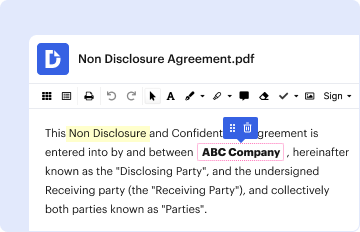
- Download the Template: Obtain the template from a trusted source or a platform like DocHub.
- Customize the Fields: Adjust the fields according to your specific project requirements, such as contractor details and project scope.
- Review Legal Terms: Ensure the legal terms comply with local regulations and industry standards.
- Seek Legal Advice: Consider consulting an attorney to verify the agreement’s legality.
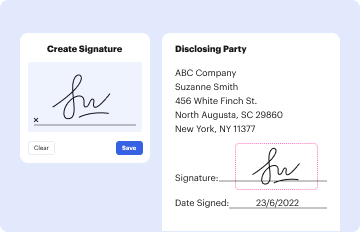
- Finalize and Sign: Both parties should review the document, agree on the terms, and sign the contract.
Practical Examples
- A homeowner contracting a builder for a kitchen remodel can use the template to specify details like materials and work schedule.
- An organization planning a commercial space renovation can outline project milestones and payment installments.
Key Elements of the Construction Contract Template
Detailed Breakdown
- Definitions: Clear definitions of key terms used throughout the contract to prevent misinterpretation.
- Responsibilities: A breakdown of duties assigned to the client and contractor to ensure accountability.
- Quality Standards: Criteria that describe the quality of workmanship expected for the project.
Additional Components
- Insurance Requirements: Policies each party must maintain to cover potential liabilities.
- Dispute Resolution: Agreed-upon methods for resolving conflicts, such as arbitration or mediation.
Important Terms Related to Construction Contract Template
Understanding the terminology in a Construction Contract Template is crucial for clarity and execution:
- General Contractor: The main party responsible for the overall completion of the project.
- Subcontractor: A secondary contractor hired by the general contractor to perform specific tasks.
- Retainage: A percentage of the payment withheld until the project's satisfactory completion.
Real-World Application
These terms ensure all parties are aligned on what each role entails and how processes should be conducted, thereby reducing potential legal disputes.
Legal Use of the Construction Contract Template
Compliance and Standards
This template forms the basis for legal compliance in construction projects, adhering to standard construction practices:
- Building Codes: The contract should align with local and federal building codes to ensure safety and credibility.
- Permitting: It should specify the permits required before work can commence.
Consequences of Non-Compliance
Failing to adhere to these legal requirements can result in penalties, including project delays and financial losses.
Examples of Using the Construction Contract Template
Case Studies
- Residential Projects: Homeowners use the template for renovations, specifying deliverables, and timelines.
- Commercial Ventures: Businesses employ the template to manage office construction, focusing on compliance and efficiency.
Scenarios
- A nonprofit organization might utilize the template when expanding their facilities, ensuring donor requirements and timelines are incorporated.
Business Types that Benefit Most from Construction Contract Template
Different businesses find value in this template depending on their operational structure and project needs:
- Real Estate Developers: Use the template for managing large-scale developments.
- Architectural Firms: Engage this template to set clear terms with building contractors.
- Government Agencies: Employ the template for public infrastructure projects, ensuring transparency and accountability.
State-by-State Differences
Regional Variations
Construction contract requirements can vary significantly by state due to differing legal contexts and building regulations:
- California: Stricter regulations around environmental impact must be considered.
- Texas: Requires detailed specifications regarding contract termination.
Implications
Understanding these differences is crucial for compliance, and businesses should tailor their contracts to meet state-specific legal standards.