




Definition and Meaning
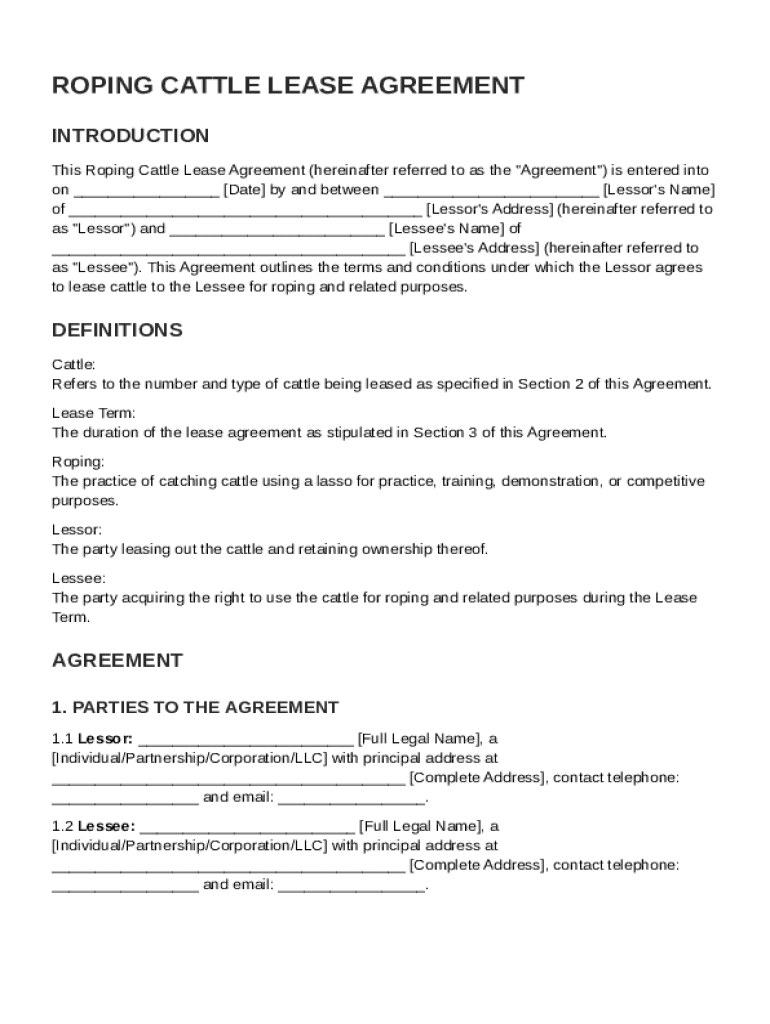
The Roping Cattle Lease Agreement Template is a document that formalizes the leasing arrangement between a lessor, who owns the cattle, and a lessee, who rents the cattle for roping activities. This agreement typically outlines the terms and conditions under which the cattle are leased, ensuring that both parties are clear on their responsibilities and the scope of use. It covers aspects such as the type and number of cattle, duration of the lease, payment terms, and obligations related to the care and management of the animals. The document is essential in setting a legal framework for the leasing arrangement, helping to prevent misunderstandings and disputes.
How to Use the Roping Cattle Lease Agreement Template
To effectively use the Roping Cattle Lease Agreement Template, both parties should follow a systematic approach to customize the document to their specific needs.
-
Initial Review: Begin by reading through the entire template to understand its structure and content.
-
Customization: Modify sections such as the number of cattle, lease period, and payment details to reflect the agreed terms.
-
Insert Details:
- Add personal information for both the lessor and lessee, including their names and contact details.
- Specify the type of cattle being leased and any unique identifiers, such as health records or branding information.
-
Responsibilities and Obligations: Clearly define the care requirements and liabilities related to the cattle, ensuring both parties acknowledge their roles.
-
Final Review: Both parties should review the completed document to ensure all terms are accurately represented before signing.
Steps to Complete the Roping Cattle Lease Agreement Template
Completing this template involves several detailed steps to ensure all relevant sections are accurately filled out and legally binding.
- Download the Template: Access and download the agreement template from a trusted source.
- Identify Parties: Fill in the identities of the lessor and lessee, including full names and addresses.
- Specify Lease Terms:
- Define the term of the lease, with start and end dates.
- Include the number and description of cattle involved.
- Financial Terms: Detail the monetary terms, including down payments, ongoing lease payments, and any additional fees for insurance or veterinary care.
- Responsibilities: Specify the care and maintenance responsibilities of the lessee, ensuring clarity on veterinary care, feeding, and insurance coverage.
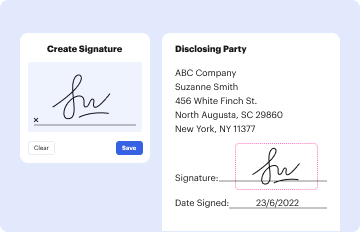
- Signatures: Ensure both parties sign and date the document to make it legally binding.
Key Elements of the Roping Cattle Lease Agreement Template
The template encompasses several crucial sections, ensuring a complete and workable agreement:
- Lease Details: This includes the type and number of cattle, lease duration, and financial obligations either party must fulfill.
- Care and Maintenance: Defines the responsibilities of the lessee concerning daily care, feeding, medical upkeep, and general well-being of the cattle.
- Insurance and Liability: Covers any insurance requirements, along with liability clauses outlining the measures to be taken in case of injury or loss.
- Termination Conditions: Specifies the circumstances under which the lease can be terminated early by either party.
- Dispute Resolution: Establishes the mechanisms for resolving disagreements, possibly involving mediation or arbitration.
State-Specific Rules for the Roping Cattle Lease Agreement Template
Since agricultural and lease laws vary by state, users of this template should consider state-specific regulations that may affect the agreement:
- State Legislation: Some states may have particular regulations regarding livestock leasing that must be integrated into the agreement.
- Insurance Requirements: Certain jurisdictions might dictate specific insurance policies or coverage minimums for leased cattle.
- Legal Precedents: Familiarity with local legal precedents related to agricultural leases might influence the inclusion of specific provisions.
Important Terms Related to the Roping Cattle Lease Agreement Template
Understanding key terms is essential for comprehensive engagement with the lease agreement:
- Lessor and Lessee: The lessor is the owner of the cattle, while the lessee is the individual or entity leasing them for use in roping events.
- Lease Fee: The financial fee agreed upon by both parties for the leasing of the cattle, including any associated costs.
- Care Requirements: Obligations pertaining to the well-being and upkeep of the leased cattle.
- Indemnification Clause: Legal provisions that protect each party from liability under certain circumstances.
Legal Use of the Roping Cattle Lease Agreement Template
This template ensures a legally sound agreement that meets statutory rules applicable within the United States:
- Compliance with Laws: Both parties should ensure that the terms within the lease are compliant with federal and state laws governing agricultural commerce.
- Legally Binding: Upon signing, the agreement becomes a legally enforceable contract, committing both parties to uphold their respective obligations.
- Document Retention: Parties should retain copies of the signed agreement for their records and for any potential legal proceedings.
Examples of Using the Roping Cattle Lease Agreement Template
This template finds application in various real-world scenarios, demonstrating its utility and effectiveness:
- Rodeo Events: Individuals or organizations engaging in rodeo competitions may lease cattle for training purposes, requiring a structured agreement.
- Practice Facilities: Facilities providing roping practice setups often lease cattle temporarily, using this template to formalize the agreements.
- Temporary Events: For special events where cattle use is temporary, such as festivals featuring roping shows, this template helps ensure both parties understand the terms of use.
Business Types That Benefit Most from the Roping Cattle Lease Agreement Template
Various business models find the Roping Cattle Lease Agreement a valuable tool for managing livestock obligations efficiently:
- Rodeo Companies: Often require cattle for events and competitions, benefiting greatly from a structured lease agreement.
- Farms and Ranches: Engaged in cattle leasing as part of diversified agricultural operations.
- Training Schools: Entities offering training in livestock handling, especially in roping techniques, utilize leases for structured legal agreements.
This comprehensive insight into the Roping Cattle Lease Agreement Template highlights its critical role in formalizing cattle leasing within the roping industry, underpinning the importance of legal clarity and the responsibilities shared by the involved parties.