




Definition & Meaning
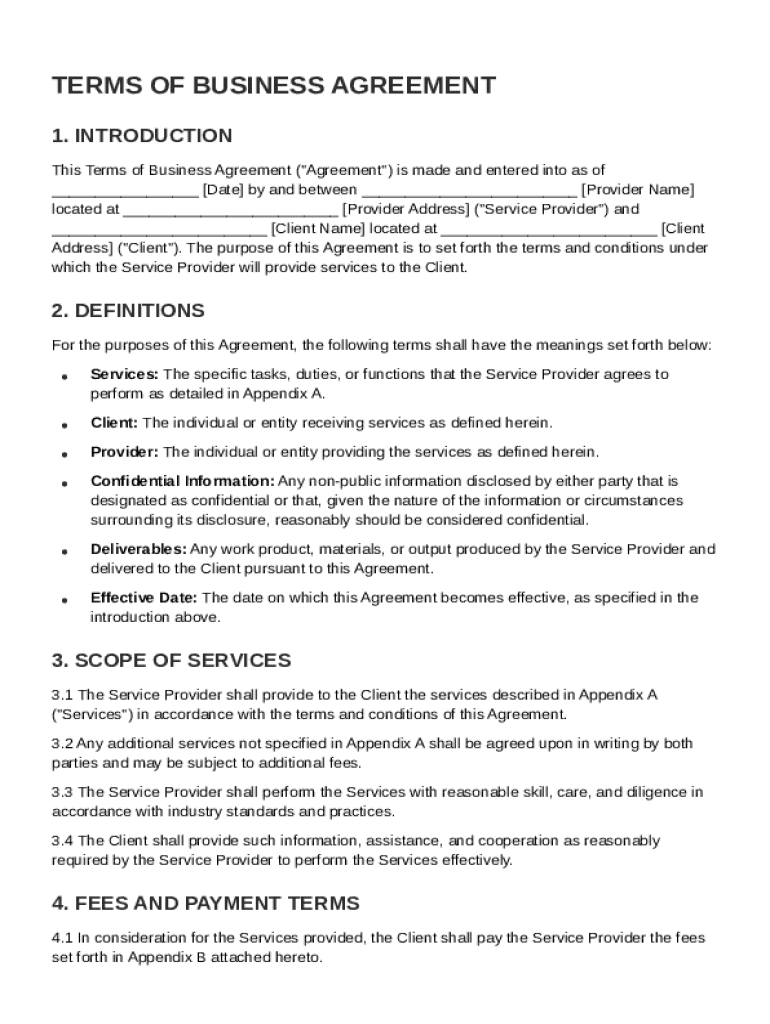
The Terms of Business Agreement Template is a standardized document that outlines the contractual relationship between a service provider and a client. This agreement serves as a comprehensive framework for detailing the scope of services, payment terms, confidentiality obligations, intellectual property rights, liability limitations, and dispute resolution processes. The template ensures that both parties have a clear understanding of their rights and responsibilities, providing a foundation for smooth service delivery. By using a structured format, the agreement aids in minimizing misunderstandings and legal disputes.
Key Elements of the Terms of Business Agreement Template
When utilizing the Terms of Business Agreement Template, it is important to include several crucial sections that define the legal relationship and terms of interaction between the involved parties:
- Scope of Services: Clearly outlines the specific services to be provided, including deliverables and performance standards.
- Payment Terms: Details of the compensation structure, including fees, billing cycles, payment methods, and penalties for late payments.
- Confidentiality Obligations: Defines the responsibilities of each party in protecting sensitive information, with clauses on non-disclosure and usage limitations.
- Intellectual Property Rights: Specifies ownership rights to any intellectual property created during the service period.
- Liability Limitations: Limits the extent of financial liability in case of breaches, losses, or damages.
- Dispute Resolution: Establishes the processes for resolving conflicts, such as mediation or arbitration.
Steps to Complete the Terms of Business Agreement Template
Completing the Terms of Business Agreement Template involves several steps to ensure all critical elements are addressed:
- Review the Template: Thoroughly examine each section to understand its relevance to your specific business context.
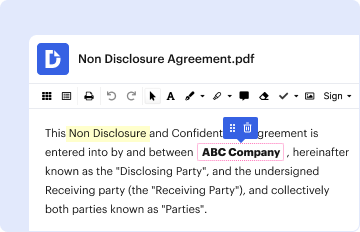
- Customize the Details: Input specific information related to the parties involved, such as names, contact information, and business addresses.
- Define the Services & Compensation: Clearly specify the services, deliverables, timing, and payment structures.
- Outline Compliance & Confidentiality: Include conditions for protecting sensitive information and compliance with legal obligations.
- Set Termination Clauses: Determine the conditions under which the agreement can be terminated by either party.
- Seek Legal Review: Consider having a legal professional review the completed document to ensure compliance with applicable laws.
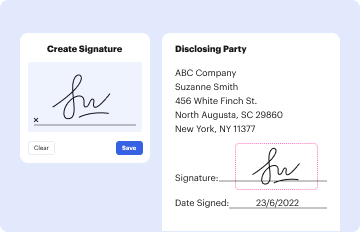
- Finalize & Sign: Once agreed upon by both parties, ensure the document is signed and dated appropriately.
Why Use the Terms of Business Agreement Template
Utilizing a Terms of Business Agreement Template is beneficial for several reasons:
- Clarity & Transparency: Clearly establishes expectations and responsibilities, reducing chances for disputes.
- Professionalism: Provides a legally sound document that enhances professionalism in business dealings.
- Legal Protection: Offers protection through clearly defined terms, helping prevent legal issues related to scope, payment, and confidentiality.
- Efficiency: Streamlines the contract creation process with pre-defined sections that are easily customizable.
Who Typically Uses the Terms of Business Agreement Template
The Terms of Business Agreement Template is commonly utilized by various types of business entities:
- Freelancers & Consultants: For clearly defining project terms and preventing scope creep.
- Small to Medium Enterprises (SMEs): To establish robust legal agreements with vendors and clients.
- Corporations: To manage relationships with service providers and partners.
- Startups: To formalize agreements and protect their business interests from the outset.

Legal Use of the Terms of Business Agreement Template
Legal usage of the Terms of Business Agreement Template involves ensuring compliance with applicable contract laws. The template should be aligned with state and federal legal standards, particularly regarding:
- Enforceability: Ensure all clauses are drafted in a manner that makes them legally binding.
- Mandatory Disclosures: Incorporate any required legal disclosures pertinent to the transaction or relationship.
- Regulatory Compliance: Conform to industry-specific regulations that may influence contract terms, such as privacy laws or intellectual property guidelines.
Examples of Using the Terms of Business Agreement Template
The following scenarios illustrate practical applications of the Terms of Business Agreement Template:
- A Graphic Design Firm: Using the template to confirm project scope, deliverables, and payment schedules with a client.
- A Software Development Agency: Customizing the template to incorporate intellectual property rights and liability limitations for app development services.
- A Marketing Consultant: Employing the document to clarify service outcomes, confidentiality agreements, and recourse in case of breach.
These examples underscore the template's versatility across various industries and contractual needs.
State-Specific Rules for the Terms of Business Agreement Template
While the Terms of Business Agreement Template provides a standardized framework, certain state-specific regulations might impact its implementation:
- Contractual Formalities: Some states have specific rules regarding electronic signatures or notarization for contracts.
- Industry Regulations: Industry-specific regulations may vary by state, affecting clauses related to confidentiality or service standards.
- Consumer Protection Laws: In states with stringent consumer protection laws, ensure any terms comply with these regulations.
Understanding these nuances is crucial to customizing the template appropriately for a specific jurisdiction.
Important Terms Related to the Terms of Business Agreement Template
The template includes several key terms imperative to building a solid contractual framework:
- Force Majeure: Outlines conditions under which performance may be excused due to unforeseen circumstances.
- Indemnification: Details how the parties will protect each other from third-party claims.
- Non-compete Clauses: May restrict a party from engaging in similar business activities that compete with the other party.
These terms are essential in ensuring comprehensive coverage of various legal and business considerations.