





Definition and Meaning of a Paint Contract Template
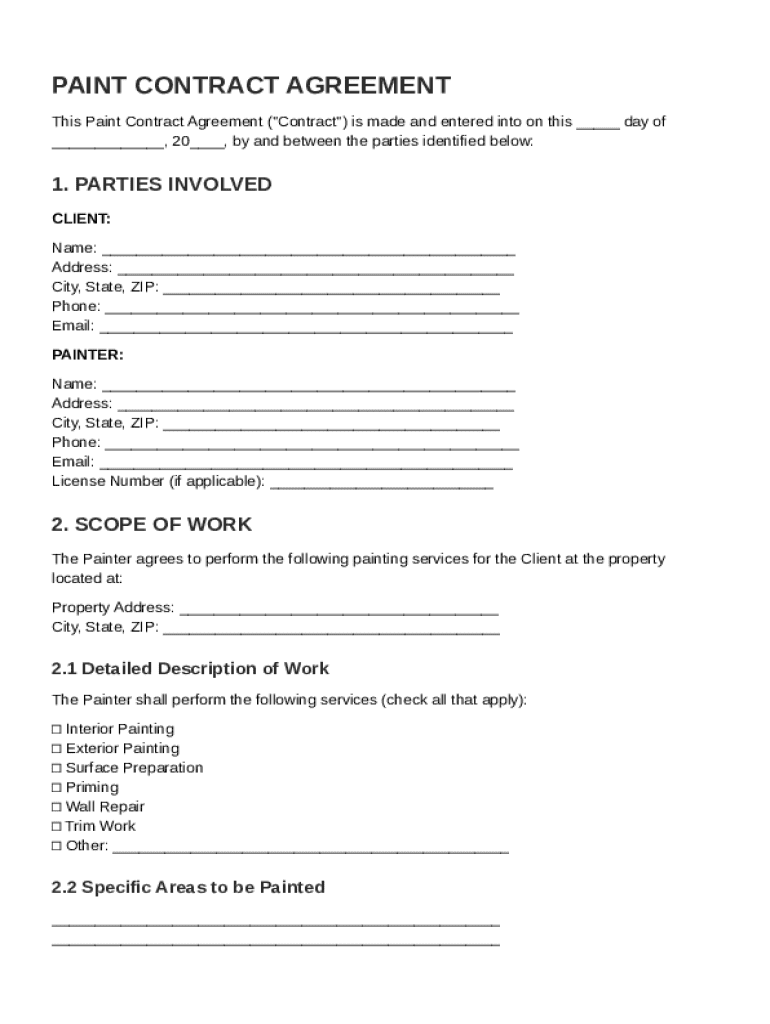
A Paint Contract Template is a formal agreement between a painter and a client, designed to articulate the terms and conditions underpinning a painting project. This document serves to outline specific details such as the scope of work, payment agreements, liability, insurance, and dispute resolution. The clarity provided by a structured paint contract template ensures that both parties have a mutual understanding of responsibilities and expectations, reducing the potential for disputes and misunderstandings. The contract acts as a legally binding arrangement, securing the rights and obligations of both the painter and the client.
Scope of Work
- Details of Services: Specifies the exact painting tasks to be completed.
- Location and Access: Defines where the work will be carried out and any access requirements.
- Materials and Supplies: Outlines who is responsible for providing painting materials and supplies.
How to Use the Paint Contract Template
Using a paint contract template involves several key steps to ensure it is appropriately customized for each project. Begin by reviewing the template thoroughly to understand its structure and components. Identify and fill in specific details such as the parties' names, project location, and start and completion dates. Adjust clauses related to payment terms, adding specifics about payment schedules and any deposits required. Tailor liability and warranty provisions to fit the project's scope and potential risks.
Customizing Terms and Conditions
- Payment Schedules: Modify payment terms to match milestones or phases of the project.
- Warranty Details: Include specific warranty provisions regarding workmanship and materials.
- Termination Clauses: Define conditions under which the contract can be terminated by either party.
Important Terms Related to Paint Contract Templates
Understanding the terms used in a paint contract is crucial for both parties. Terms such as "scope of work," "liability insurance," and "termination clause" have specific legal implications that must be clearly defined. The scope of work outlines the detailed tasks the painter agrees to execute. Liability insurance indicates the insurance coverage for damages or injuries that may occur during the project. A termination clause specifies conditions under which the contract may be voided by either party, protecting both the painter and the client.
Key Legal Concepts
- Indemnification: Protects the client from claims due to the contractor's negligence.
- Force Majeure: Covers unexpected events that might hinder contract execution, such as natural disasters.
Key Elements of the Paint Contract Template
The paint contract template typically contains several critical elements, ensuring comprehensive coverage of all necessary aspects of a painting project. These include, but are not limited to, the identification of parties, detailed description of work, schedule, payment terms, insurance and liability, dispute resolution, and modification and termination clauses.
Dispute Resolution
- Mediation: Encourages resolution through a neutral third party before litigation.
- Arbitration: An alternative to courtroom disputes, wherein an arbitrator makes binding decisions.
Examples of Using the Paint Contract Template
Real-world applications of a paint contract template often involve scenarios in different settings, such as residential projects where homeowners hire contractors, or commercial projects involving large-scale painting services for office buildings. Each scenario can involve varying complexities related to scope, timelines, and legal requirements.
Residential Projects
- Home Interiors: Contracts may specify room-by-room painting details, timeline, and finish types.
Commercial Projects
- Office Spaces: Requires additional clauses for working hours and coordination with other trades.
State-Specific Rules for the Paint Contract Template
Paint contract templates must adhere to state-specific regulations that can vary significantly across jurisdictions. For instance, some states might require additional disclosure forms, licensing information, or specific environmental considerations related to paint disposal and VOC emissions.
Licensing Requirements
- State-Specific Licensing: Some states mandate painters to be licensed for certain types of painting work.
Environmental Regulations
- VOC Compliance: Regulations concerning the use of low-VOC paints in commercial building projects.
Software Compatibility and Digital Use
The digital version of a paint contract template offers several advantages, including easy editing, sharing, and storage. DocHub enables seamless integration with platforms such as Google Workspace, allowing for real-time updates and collaboration. Users can edit contracts directly in their web browsers, which is particularly useful for teams located across different regions.
Integration with Workflow Tools
- Google Workspace: Easily import and export documents to and from Google Drive.
- Real-Time Collaboration: Enables multiple stakeholders to make concurrent updates to the contract.
Legal Use of the Paint Contract Template
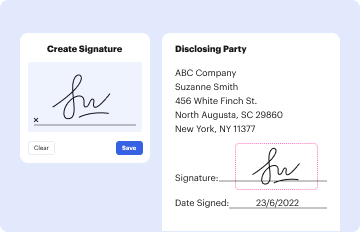
The paint contract template must be constructed to align with the legal standards required by the ESIGN Act, allowing for lawful electronic signatures. Ensure that each contract follows the specific legal standards concerning authenticity and integrity. Legal use involves ensuring all parties have clearly agreed to the terms, with each electronic signature being recognizable as personally identifiable information.
Ensuring Legal Validity
- Electronic Signatures: Must be legally recognized and adhere to the ESIGN Act to ensure enforceability in contracts.
- Authentication Protocols: Use secure methods like OAuth 2.0 to confirm the identity of signers.
These sections provide an expansive view of the Paint Contract Template, tailoring the content for specific components while maintaining relevance and depth.