




Definition and Purpose of the Multiple Tenant Lease Agreement Template
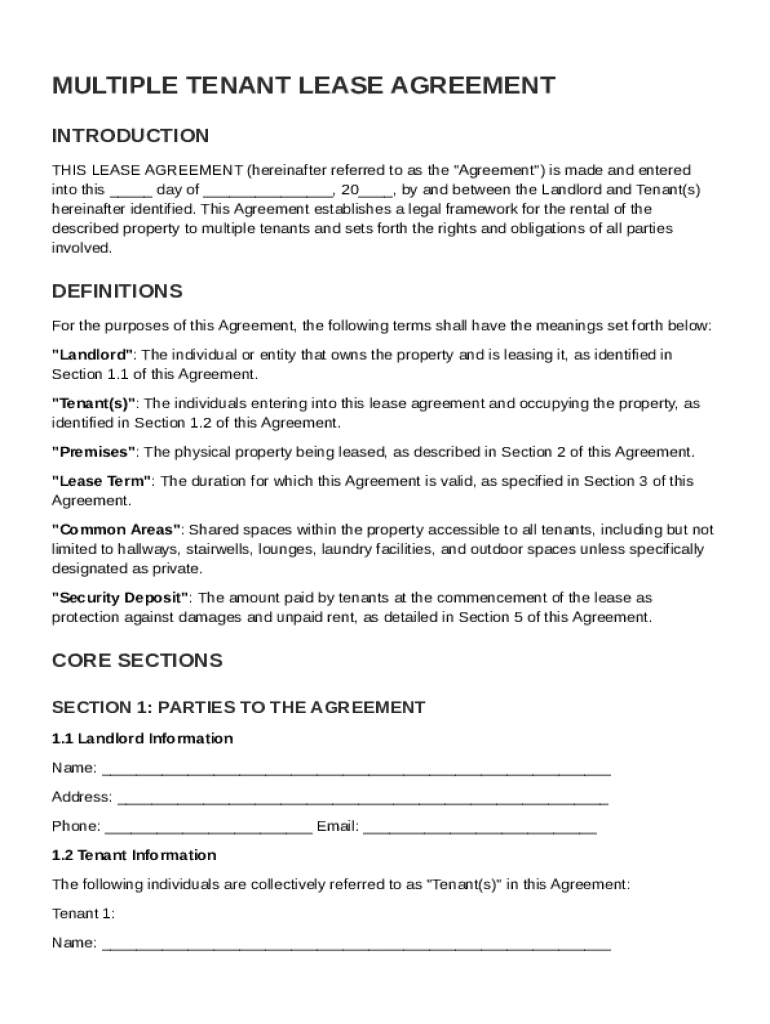
The Multiple Tenant Lease Agreement Template is a structured document that outlines the terms and conditions for renting a property to multiple tenants. It serves as a legally binding contract between the landlord and the tenants, ensuring that both parties are aware of their rights and obligations. This template is fundamental in establishing clear communication about the lease term, rent payment procedures, and responsibilities for property maintenance. It helps in preventing potential disputes by explicitly stating the terms under which tenants can occupy the property.
How to Use the Multiple Tenant Lease Agreement Template
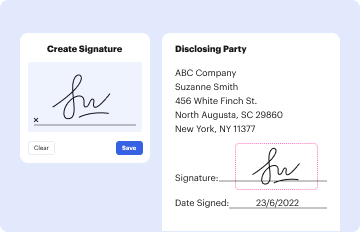
Using the Multiple Tenant Lease Agreement Template involves several steps to adapt it to specific rental circumstances. Initially, gather all necessary information, including the full names of each tenant and their contact details. The landlord must fill in the start and end dates of the lease term and details regarding rental payments, including amount, due date, and accepted payment methods. When completing the template, ensure each tenant agrees to the terms by reviewing the document individually or collectively. After finalizing details, both parties must sign the document for it to become legally binding.
Customizing the Template
- Tenant Details: Enter names, addresses, and contact information for all tenants.
- Lease Terms: Specify the duration of the lease and conditions for renewal or termination.
- Rent Details: Clearly outline the rent amount, payment schedule, and late payment penalties.
Key Elements of the Multiple Tenant Lease Agreement Template
The key elements of this template are designed to cover all necessary aspects of a multi-tenant lease arrangement. They typically include definitions of key terms like lease, premises, landlord, and tenant. Responsibilities of both parties are outlined, including property maintenance and repair duties. Specific details regarding the security deposit, its amount, usage, and conditions for its return must be clearly stipulated. Termination clauses are included, detailing conditions under which the lease may be ended prematurely by either party.
Legal Use of the Multiple Tenant Lease Agreement Template
This template must adhere to the legal standards applicable in the state where the property is located. It should comply with federal, state, and local housing laws, encompassing tenant rights and landlord obligations. Key legal aspects include anti-discrimination policies during tenant selection and adherence to the Fair Housing Act. The agreement should also delineate the process for resolving disputes, ideally encouraging mediation before legal proceedings. Landlords can consult legal counsel to ensure the contract's enforceability and compliance with local regulations.
Important Terms Related to the Multiple Tenant Lease Agreement Template
Understanding key terms is crucial when using this template. Terms such as "joint and several liabilities" indicate that all tenants are equally responsible for lease obligations. The phrase "quiet enjoyment" refers to the tenant's right to peacefully enjoy the property without interference. "Premises" outlines the physical space being rented and what portions, such as lawns, car parks, or common areas, the tenants have access to. Additionally, "habitability" refers to the landlord's obligation to maintain the property in a livable condition.
Examples of Commonly Used Terms
- Security Deposit: Money paid by the tenants and held by the landlord as security against damages or unpaid rent.
- Lease Renewal: The process and conditions under which the lease can be renewed after its initial term.
Examples of Using the Multiple Tenant Lease Agreement Template
This template is frequently used in various real-world scenarios involving multiple tenants sharing residential or commercial rentals. For instance, a group of college students leasing an off-campus house would use this agreement to specify individual and collective responsibilities for rent and utilities. Similarly, two businesses sharing a commercial space might utilize this template to delineate areas of operation and shared maintenance costs. Each example underscores the importance of clear, written agreements to prevent misunderstandings.
State-Specific Rules for the Multiple Tenant Lease Agreement Template
State regulations can significantly influence the terms of the lease agreement. For example, some states have caps on security deposits, while others might require landlords to pay interest on deposits held over a year. The procedure for eviction or lease termination might vary, with certain states providing more tenant-friendly protections. Landlords should verify state-specific requirements and incorporate them into the lease agreement to avoid legal complications and ensure the enforceability of the contract.
Disclosure Requirements and Tenant Rights
Landlords are generally required to provide tenants with specific disclosures as part of the leasing process. These might include the presence of environmental hazards like lead paint, details about utilities and service fees, and any known issues with the property. Such transparency supports tenant rights and helps in maintaining trust. The template should accommodate these disclosures, ensuring that all pertinent information is shared upfront with tenants to avoid disputes.
Common Disclosure Examples
- Lead Paint: Notification if the property was built before 1978.
- Utility Arrangements: Clear explanation of which services (e.g., water, trash) are included in the rent or require separate payment.