Definition & Meaning
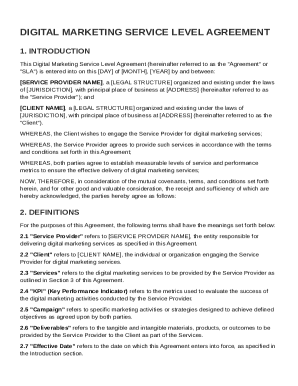
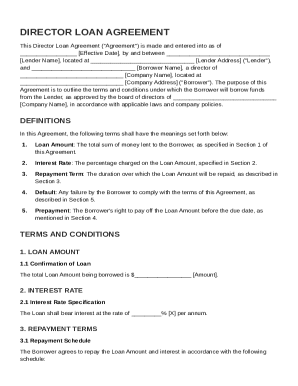
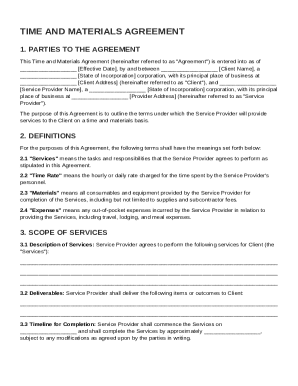
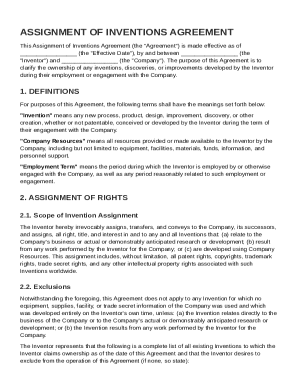
The Generic Construction Contract Template is a standardized document used by contractors and clients to outline the terms and conditions of a construction project. It serves as a foundational agreement that defines key aspects like the scope of work, timelines, payment schedules, and responsibilities of both parties. This template ensures that there is a mutual understanding and clear expectations before any construction work begins. It provides a structured legal framework for the project, aimed at minimizing disputes and facilitating a smooth execution of the construction tasks.
Key Elements of the Generic Construction Contract Template
Scope of Work
The scope of work section details the specific tasks and activities that the contractor is responsible for. It includes descriptions of the construction services that will be provided, any materials that will be used, and the standards of quality that must be maintained. This section is crucial as it sets the boundaries of the work expected, preventing scope creep and aligning both parties on the project's deliverables.
Payment Terms
Payment terms outline the financial agreements between the contractor and the client. They specify how and when payments will be made, progress payment schedules, and any conditions that must be met for these payments to be released. This section may also cover penalty clauses for late payments and the method of payment, such as checks or electronic transfers.
Timelines and Deadlines
This portion of the template sets out the expected start and completion dates for the construction project. It helps ensure that both parties are committed to a timeline and can include provisions for extensions or modifications due to unforeseen events, such as weather disruptions or supply chain issues. Clear timelines help manage expectations and provide a framework for monitoring progress.
Steps to Complete the Generic Construction Contract Template
-
Gather Information: Collect all necessary information from both the contractor and the client, including contact details, project description, and budget estimates.
-
Define Terms: Clearly define deliverables, scope, and specific terms that are agreeable to both parties. Ensure all technical terms are understood by both parties.
-
Set Payment Schedule: Agree on the payment terms and ensure they are documented explicitly in the contract.
-
Review Legal Terms: Carefully review any legal clauses, such as dispute resolution methods, termination terms, and liability coverage to ensure compliance with both parties’ expectations.
-
Obtain Signatures: Once both parties are satisfied with the agreement, ensure both sign the document to make it legally binding.
Legal Use of the Generic Construction Contract Template
The template is designed to be legally binding once properly signed by both parties. It must comply with state-specific laws and regulations governing construction contracts in the United States. This ensures that the contract will be enforceable in a legal setting if disputes arise. It is often recommended that parties seek legal counsel to review the contract to confirm that all provisions conform to applicable laws and protect their interests adequately.
Important Terms Related to Generic Construction Contract Template
- Change Order: A formal document altering any part of the contract, often used when the scope of work changes.
- Retainage: An agreed-upon percentage of payment held until the project completion to ensure contractor accountability.
- Substantial Completion: The stage when the project is sufficiently complete for the client to use it for its intended purpose, even if minor details remain unfinished.
State-Specific Rules for the Generic Construction Contract Template
Construction contracts must adhere to laws that can vary significantly between states. This includes requirements for contractor licensing, lien laws, and specific building codes. Contractors must ensure that their agreements comply with local regulations to avoid legal complications. For instance, some states might require contracts to include specific disclosures or adhere to environmental guidelines.
Examples of Using the Generic Construction Contract Template
Residential Construction
Homebuilders can use this template to specify terms with homeowners for new constructions or significant renovations. It covers areas such as project timelines and cost estimates.
Commercial Projects
For commercial building projects, such as office spaces or retail centers, the template provides a standardized approach to manage complex requirements and streamline communication between multiple stakeholders.
Government Contracts
Governmental construction projects often rely on detailed templates to meet specific criteria, ensuring accountability and compliance with public procurement laws.
Business Types That Benefit Most from Generic Construction Contract Template
General Contractors
General contractors overseeing various trades can utilize the contract to formalize agreements with their clients, ensuring clarity in the execution of projects.
Specialty Contractors
Specialty contractors, including electrical or plumbing services, benefit from the template by detailing their specific scope of work and ensuring that subcontracted duties are well-defined.
Real Estate Developers
Developers managing large-scale projects leverage the template to ensure alignment between financiers, builders, and regulatory bodies, safeguarding project timelines and budgets.