




Definition and Meaning of a Written Legal Agreement Template
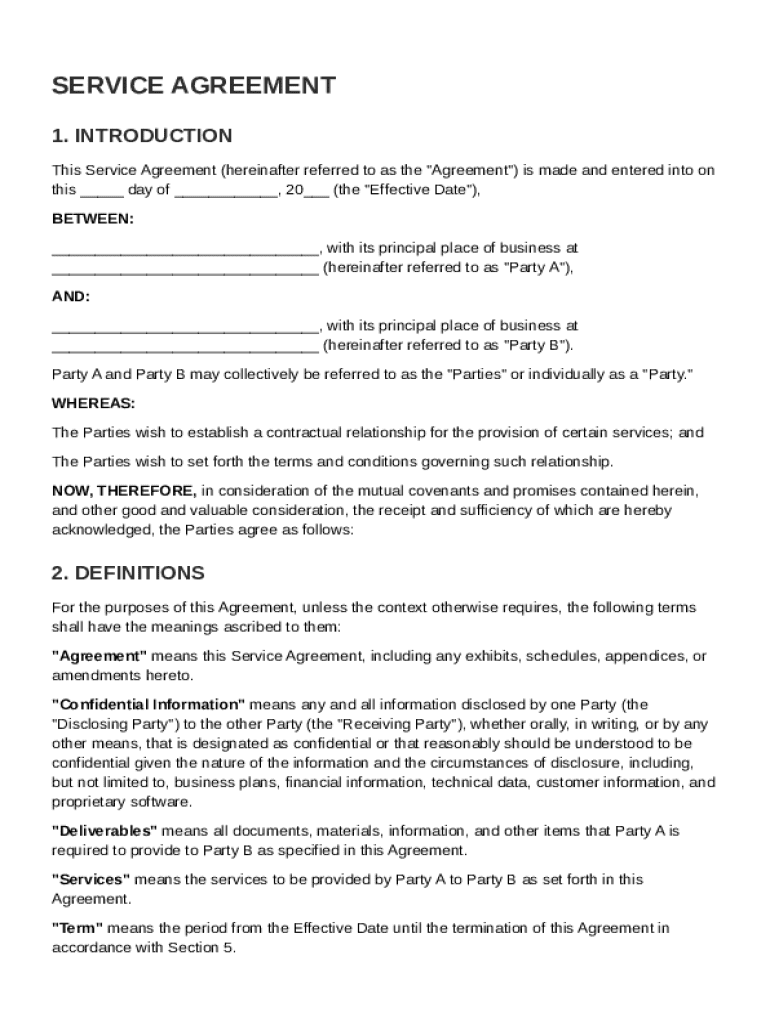
A Written Legal Agreement Template is a pre-structured document designed to outline the terms and conditions agreed upon by two or more parties. Often used in various business or personal transactions, this template serves as a foundational reference to ensure that all involved parties understand and agree to the specific obligations, rights, and responsibilities. The template typically contains sections for both standard legal provisions and customizable fields, allowing users to adapt the document to suit their specific needs and legal requirements.
These templates are crucial for maintaining clarity and preventing misunderstandings or disputes. They generally include clauses for dispute resolution, confidentiality, payment terms, and other key legal agreements. Ensuring each party’s interests are protected within the agreement is paramount, and these templates provide a standardized starting point that can be customized with specific terms relevant to the transaction.
Key Elements of the Written Legal Agreement Template
A thorough Written Legal Agreement Template encompasses several critical elements to ensure legal efficacy and clarity for all parties involved:
- Identification of Parties: This section details the full legal names and contact information of all parties involved in the agreement.
- Definitions and Key Terms: Clearly defines any terms that may be subject to interpretation, reducing ambiguities.
- Scope of Work or Purpose: Outlines the specific objectives, responsibilities, and deliverables expected from each party.
- Payment Terms: Specifies the agreed payment amounts, methods, and schedule.
- Confidentiality Requirements: Details how confidential information should be handled and any non-disclosure agreements.
- Dispute Resolution: Provides mechanisms for resolving any disputes that may arise, such as mediation or arbitration.
- Governing Law: Identifies which jurisdiction’s legal framework will govern the agreement.
These elements form the backbone of any legal agreement, ensuring all parties have a mutual understanding and reference point.
Steps to Complete the Written Legal Agreement Template
Completing a Written Legal Agreement Template involves several methodical steps to customize the document for your specific needs:
- Review the Template: Familiarize yourself with the entire document to understand its structure and standard clauses.
- Modify Key Sections: Tailor sections such as the Scope of Work, Payment Terms, and Dates to reflect your specific agreement details.
- Define Terms Clearly: Ensure that all defined terms are clear and unambiguous for all parties.
- Consult Legal Counsel: If necessary, have a legal professional review the modified agreement to ensure compliance with applicable laws.
- Discuss with Other Parties: Share the draft with the other parties involved and discuss any modifications or issues.
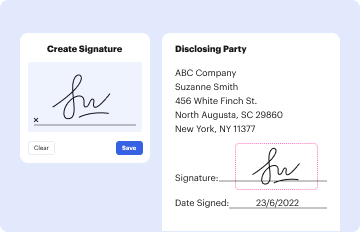
- Finalize and Sign: Once all parties agree, finalize the document and arrange for the signing process.
These steps ensure a comprehensive and tailored agreement that reflects all parties' intentions and needs.
Legal Use of the Written Legal Agreement Template
In the United States, the use of a Written Legal Agreement Template must comply with both federal and state laws. An agreement is legally binding when it adheres to contract law principles, which require offer, acceptance, consideration, and mutual consent. The ESIGN Act allows electronic signatures to be legally recognized, which means digital versions of these templates can be used effectively, provided that the agreements are securely signed and stored.
These templates can be utilized across a broad array of transactions, including business sales, service agreements, real estate deals, and employment contracts. Legal enforceability is contingent on the agreement being freely entered into by competent parties, with consideration exchanged.
Important Terms Related to the Written Legal Agreement Template
Understanding several pivotal terms is key when utilizing a Written Legal Agreement Template:
- Consideration: Something of value exchanged by each party to support the contract's legality.
- Offer and Acceptance: The proposal of an agreement by one party and acceptance by the other.
- Mutual Consent: All parties must agree to the terms and intend to be bound by the contract.
- Capacity: The legal ability of parties to enter into a contract, generally requiring them to be of sound mind and legal age.
- Breach of Contract: When a party fails to fulfill their obligations under the contract terms.
These terms form the foundational language of any legal agreement and are essential for understanding how a contract operates legally.
Software Compatibility and Digital Use
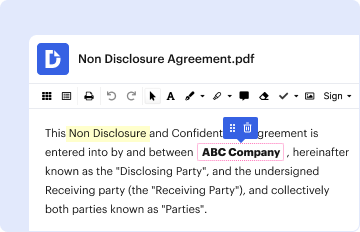
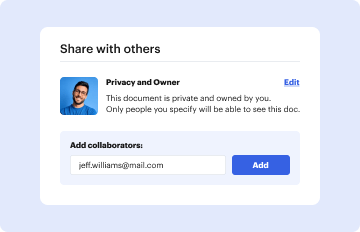
With DocHub, templates for legal agreements can be seamlessly managed digitally. The platform supports numerous formats, such as DOC and PDF, which are compatible with major software programs like Microsoft Word and Adobe Acrobat. Digital versions allow for easy accessibility and sharing via cloud-based services like Google Drive and Dropbox.
The templates can be customized electronically using tools to add, remove, or modify fields or sections as needed. Once finalized, they can be signed digitally, harnessing the secure electronic signature capabilities provided by DocHub. This functionality lowers administrative burdens and increases the efficiency of handling legal agreements.
State-Specific Rules for the Written Legal Agreement Template
While a Written Legal Agreement Template provides a universal starting point, state-specific laws significantly affect its binding nature. Each state may have distinct rules regarding what constitutes a legal contract, including specific wording or clauses required for enforceability. For instance, California and New York have particular statutes regulating electronic agreements and disclosures.
Before finalizing an agreement, it's advisable to review state-specific requirements related to your transaction type. This step helps in aligning the document with local legal standards to prevent potential disputes or invalidation.
Examples of Using the Written Legal Agreement Template
Using a Written Legal Agreement Template can vary widely depending on the transaction type:
- Freelance Services: Defining the scope of services provided, payment rates, and completion timelines.
- Real Estate Transactions: Outlining purchase price, property condition terms, and closing dates.
- Partnership Agreements: Setting contributions, profit-sharing ratios, and roles within a business partnership.
- Non-Disclosure Agreements: Establishing confidentiality expectations in business collaborations or negotiations.
In each scenario, these templates help ensure clear communication and mutual understanding, thereby safeguarding the interests of all involved parties.