



Definition and Purpose of an Understanding Agreement Template
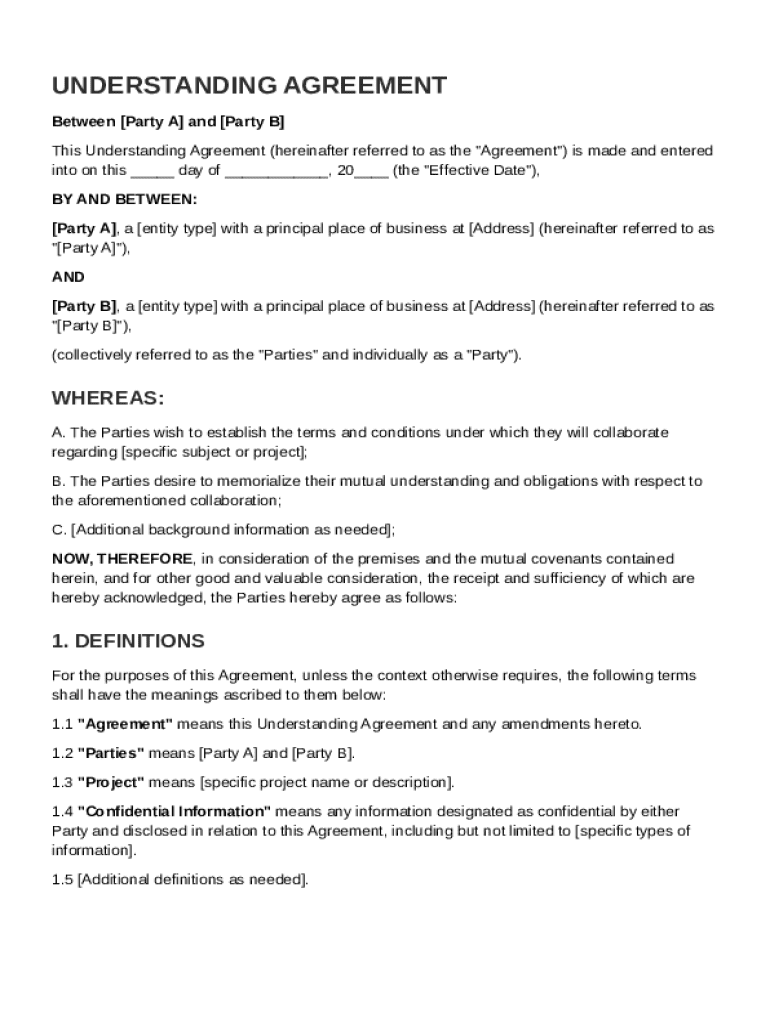
An Understanding Agreement Template serves as a foundational document that establishes the terms and conditions of collaboration between two parties, commonly referred to as [Party A] and [Party B]. These agreements are often utilized in business settings to outline roles, responsibilities, and expectations for a specific project or partnership. The template includes key components such as definitions of terms, confidentiality obligations, dispute resolution procedures, and provisions for amendments and governing law. It aims to formalize the mutual understanding of both parties, ensuring clarity and reducing the potential for conflicts during the execution of their collaborative efforts.
Key Elements of an Understanding Agreement Template
An effective Understanding Agreement Template comprises several essential sections that cater to different aspects of the partnership. These key elements include:
- Definitions: Concise explanations of terms used within the agreement to ensure both parties have a clear understanding of the language and context.
- Responsibilities: Detailed descriptions of the duties and obligations of each party to prevent ambiguity and promote accountability.
- Confidentiality: Clauses that protect sensitive information shared during the collaboration, stipulating how data should be handled and the consequences of breaches.
- Dispute Resolution: Procedures and methods for resolving conflicts that may arise, including mediation or arbitration processes.
- Amendments: Guidelines for modifying the agreement, specifying the conditions under which changes can be made and requiring written consent from both parties.
- Governing Law: Indication of the jurisdiction under which the agreement will be interpreted, often determined by the location or preference of the parties involved.
How to Use the Understanding Agreement Template
Using an Understanding Agreement Template involves several organized steps to ensure the document effectively serves its purpose. The process begins with identifying the specific agreement context and tailoring the template to accommodate unique project requirements. Parties should:
- Customize the Template: Insert relevant details specific to the collaboration, such as party names, project scope, and any specific terms.
- Review Definitions and Clauses: Ensure all defined terms and clauses accurately reflect the nature of the agreement and project.
- Agree on Terms: Both parties should discuss and agree upon all the outlined terms to prevent future disputes.
- Legal Review: If necessary, consult with legal professionals to review the template for compliance with applicable laws and regulations.
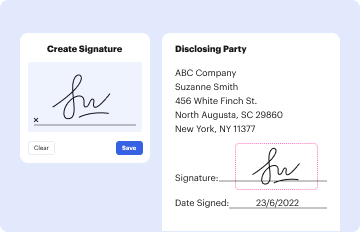
- Finalize and Sign: Once agreed upon, the parties should sign the document, which may involve electronic signatures if allowed, making it legally binding.
Legal Use and Binding Nature
The Understanding Agreement Template serves as a legally enforceable document that binds both parties to the agreed terms and conditions. Adhering to legal standards, such as those outlined in the ESIGN Act for electronic signatures, ensures the agreement’s validity. Each party must consent voluntarily, without any form of duress or misrepresentation. The agreement should be written clearly to prevent ambiguities that could render the document void or challengeable in court. Maintaining a comprehensive audit trail, especially for electronic versions, can aid in verifying compliance and providing evidence in legal proceedings.
State-Specific Rules and Compliance
While Understanding Agreement Templates provide a general framework applicable across many jurisdictions, parties must consider state-specific regulations that might affect the validity or requirements of the document. Certain states may have unique guidelines regarding contractual elements, confidentiality, and electronic signatures. It is prudent to:
- Research State Laws: Understand any variations in legal stipulations that might affect the agreement’s implementation.
- Modify Template Accordingly: Adjust the sections of the template to comply with local laws, ensuring that none of the agreement’s components breach state regulations.
- Consult with Local Legal Experts: Engaging with a lawyer familiar with the state’s legal nuances can help avoid overlooked compliance issues.
Steps to Complete the Understanding Agreement Template
Completing the Understanding Agreement Template involves a methodical series of steps, each designed to ensure that the document is both comprehensive and clear:
- Initial Setup: Gather names, contact details, and other preliminary information about the parties involved.
- Filling Definitions and Roles: Clearly define terminologies and outline the specific roles and responsibilities of each party.
- Draft Specific Terms: Include project-specific terms, such as timelines, deliverables, and milestones.
- Review Confidentiality and Dispute Clauses: Ensure these critical sections reflect the desired level of protection and resolution approaches.
- Finalize with Signatures: Confirm that all sections are accurate before collecting signatures. Verify that the format used for signing meets legal requirements.
Examples of Using the Understanding Agreement Template
The Understanding Agreement Template is versatile and can be applied to various scenarios where formal documentation of collaboration is necessary:
- Business Partnerships: Documenting joint ventures, product co-development, or resource sharing between companies.
- Project Collaborations: Setting terms for collaborative project work, such as software development or marketing campaigns.
- Consulting Agreements: Formalizing terms with consultants or contractors who provide services to a business.
By adapting the template to fit these instances, organizations can ensure consistency and legal compliance in their partnerships.
Who Typically Uses the Understanding Agreement Template
This template is useful across diverse professional settings, often employed by businesses, non-profits, and governmental organizations. Typical users include:
- Businesses: Corporations and small enterprises seeking to establish clear terms with partners.
- Consultants and Freelancers: Independent professionals documenting services and deliverables when engaging with clients.
- Non-Profit Organizations: Collaborations between different entities for joint community projects or initiatives.
Each user type benefits from the structured approach the template provides, ensuring a clear understanding and mutual consent is achieved in any professional relationship.