




01. Edit your form online
Type text, add images, blackout confidential details, add comments, highlights and more.

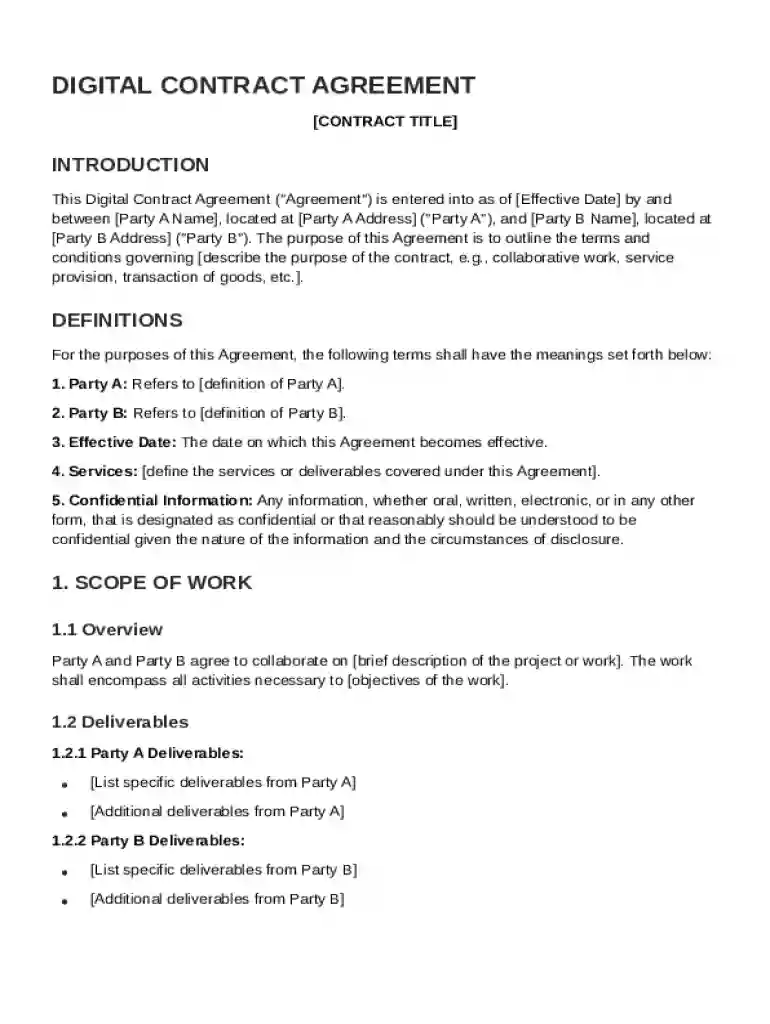
Type text, add images, blackout confidential details, add comments, highlights and more.

Draw your signature, type it, upload its image, or use your mobile device as a signature pad.

Send it via email, link, or fax. You can also download it, export it or print it out.
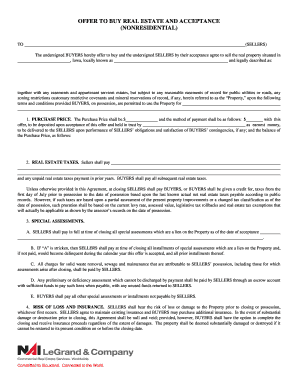
A Digital Contract Template is a pre-structured document used for creating agreements in an electronic format. It streamlines the process of drafting legal agreements by providing a standardized starting point, thereby reducing the time and effort needed to produce legally sound documents. These templates typically include standard contract clauses while allowing for customization to fit specific agreements. Digital contracts often outline necessities such as terms and conditions, responsibilities, payment terms, and confidentiality clauses to ensure both parties are on the same page.
The template simplifies contract creation and ensures consistency across agreements, making it valuable for businesses. By utilizing a digital format, it enhances efficiency in managing contracts, allowing for easier storage, retrieval, and sharing.
Using a Digital Contract Template involves several straightforward steps, designed to ensure that the final document meets the needs of all parties involved:
Select the Appropriate Template:
Customize the Content:
Add Specific Details:
Review for Accuracy:
Obtain Digital Signatures:
By following these steps, users can efficiently create a robust and legally binding digital contract tailored to their requirements.
Completing the Digital Contract Template involves detailed steps to ensure all necessary components are addressed:
Open the Template:
Initial Information Input:
Clause Selection and Editing:
Incorporate Custom Clauses:
Finalize and Format:
Once these steps are completed, the document will be ready for review and signatures, streamlining the contract approval process.
Digital Contract Templates provide a legally viable alternative to traditional paper contracts when properly executed. Essential for compliance, these templates must adhere to legal frameworks like the ESIGN Act, ensuring electronic signatures are valid.
Comprehensive Documentation:
Security Measures:
Understanding these requirements ensures that digital contracts hold the same legal strength as their traditional counterparts, facilitating secure and efficient business transactions.
The essential components of a Digital Contract Template ensure clarity and legal enforceability:
Parties Involved:
Scope of Work:
Payment Terms:
Confidentiality Agreement:
Termination Conditions:
Dispute Resolution:
These elements constitute the foundation of the contract, guiding both the creation process and future enforcement.
Digital Contract Templates are versatile, applicable in scenarios such as:
Freelance Agreements:
Supplier Contracts:
Partnership Agreements:
By employing digital templates, businesses and individuals can expediently establish clear, thorough, and legally sound contracts.
Digital Contract Templates are beneficial across various sectors and for different users:
Small and Medium Enterprises (SMEs):
Freelancers and Consultants:
Legal Departments:
Corporate Entities:
The broad utility of these templates makes them an indispensable tool for anyone regularly performing contractual transactions.


The benefits of using Digital Contract Templates are significant, enhancing both efficiency and security:
Time Efficiency:
Consistent Standardization:
Reduced Errors:
Improved Accessibility:
Through these advantages, digital templates offer a practical solution for modern contract management, improving workflows and efficacy.
At DocHub, your data security is our priority. We follow HIPAA, SOC2, GDPR, and other standards, so you can work on your documents with confidence.
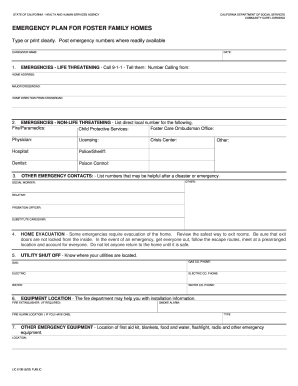

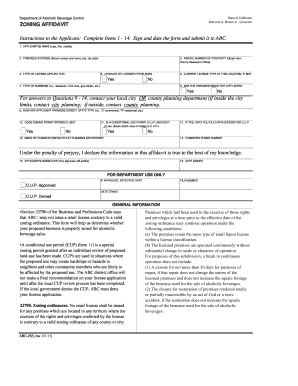
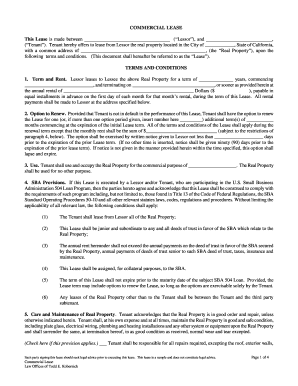

For assistance or suggestions related to this template, contact the State Procurement Office at 701-328-2740. Note: Delete all instructions before printing.
May 31, 2016 This Agreement shall apply to each and every electronic data transmission between. Vendor and Norfolk Southern that contains the identifying


