



Definition and Meaning
A Therapist Contract Template is a formal document designed to establish a clear agreement between a therapist and their client. It outlines the professional relationship, specifying the nature of therapeutic services, responsibilities, confidentiality terms, fees, and other essential elements necessary for a successful therapeutic engagement. This agreement serves as a critical legal instrument to protect the interests of both parties and ensure that all aspects of therapy are understood and respected.
Importance of the Contract
The purpose of this contract is to formalize the expectations and obligations of both the therapist and the client. By clearly delineating the service scope, cancellation policies, and dispute resolution processes, the contract minimizes misunderstandings and potential conflicts. Such a document fosters trust and provides a reliable framework for therapeutic interactions.
Components of a Therapist Contract
The template usually includes sections on confidentiality, session fees, cancellation policies, and the duration of therapy. Each section is carefully crafted to provide legal clarity and uphold ethical standards within the therapeutic relationship. For example, a confidentiality clause will detail how patient information is protected under HIPAA regulations.
Key Elements of the Therapist Contract Template
Confidentiality and Privacy
Therapist contracts often prioritize confidentiality, outlining how sensitive information will be handled. This aspect is crucial in maintaining a trustworthy therapeutic environment, ensuring compliance with legal standards such as HIPAA in the U.S.
Fees and Payment Terms
Clearly defined fee structures and payment terms are integral to the template. This includes session costs, payment methods, and procedures for late payments or outstanding balances. Such detailed information helps prevent billing disputes and ensures transparent financial dealings.
Scheduling and Cancellation Policies
The therapist contract template typically features scheduling flexibility while setting guidelines for cancellations. Policies may include required notice periods and associated fees for missed or canceled sessions, helping to manage therapist time and client commitments effectively.
How to Use the Therapist Contract Template
To maximize the benefits of a therapist contract template, it's essential to tailor the document to suit specific therapeutic contexts and client needs. The template should be viewed as a starting point, with the therapist making necessary adjustments to accommodate their practice style and client circumstances.
Customization Steps
- Review Default Clauses: Begin by examining the pre-written sections of the template. Ensure that each clause reflects current legal requirements and personal practice standards.
- Modify as Necessary: Adjust sections like payment terms or cancellation fees to align with your business model.
- Add Specific Terms: Include any additional terms relevant to specific therapy practices, such as group sessions, teletherapy options, or special accommodations.
Implementation
Once customized, share the contract with clients during initial consultations. Reviewing the document together helps ensure mutual understanding and agreement to terms.
Legal Use of the Therapist Contract Template
Compliance with Legal Standards
A therapist's contract must comply with federal and state regulations, such as confidentiality mandates under HIPAA. Ensuring legal compliance protects the therapist from potential legal disputes and enhances the contract's validity.
Legal Consultation
Consulting with a legal professional is a prudent step to verify that the contract meets all pertinent legal criteria. This assistance can also aid in refining complex clauses that require expert insight, thereby preserving the contract's integrity.
Important Terms Related to Therapist Contract Template
Therapeutic Alliance
The agreement fosters the therapeutic alliance by providing a structured means of communication between therapists and clients. This term refers to the collaborative relationship built on trust and openness, crucial for effective therapy.
Informed Consent
Informed consent within the contract ensures clients are fully aware of the therapeutic process, including potential risks and benefits. This concept is vital for ethical practice, ensuring clients actively participate in their therapeutic journeys.
Examples of Using the Therapist Contract Template
Real-World Scenario: Private Practice
In a private practice setting, a therapist may use the contract to specify unique offerings, such as sliding scale fees based on client income. This customization supports both the business model of the practice and client accessibility to services.
Clinic Setting
For therapists working within a clinic, contracts provide a standardized way to manage multiple clients' expectations and appointments. By employing a consistent contract template across the clinic, client interactions are streamlined, and administrative efficiency is increased.
State-Specific Rules for the Therapist Contract Template
Variations in State Regulations
Different states may have specific laws affecting therapist contracts, such as mandatory reporting requirements or teletherapy permissions. It's important for therapists to understand these state-specific rules to ensure their contracts remain compliant.
Adaptation Strategies
Research state laws or consult local legal experts to identify necessary adaptations to the standard template. Customizing key sections, such as confidentiality statements or billing practices, according to region-specific guidelines is vital for compliance.
Creating and Managing Forms with DocHub
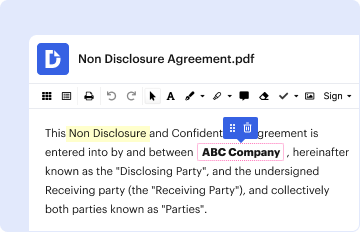
DocHub offers a user-friendly platform for creating, editing, and managing therapist contracts digitally. This tool enhances document productivity by streamlining the creation of fillable, interactive forms.
Electronic Signing Capabilities
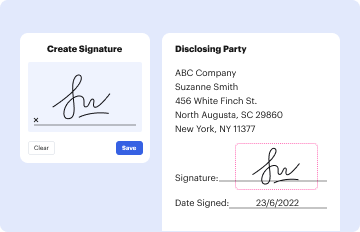
The platform supports legally binding electronic signatures, ensuring contract authenticity and ease in managing consent forms. These features facilitate seamless document workflows, allowing therapists to focus more on client engagement rather than administrative tasks.