





Definition and Purpose of the Data Confidentiality Agreement
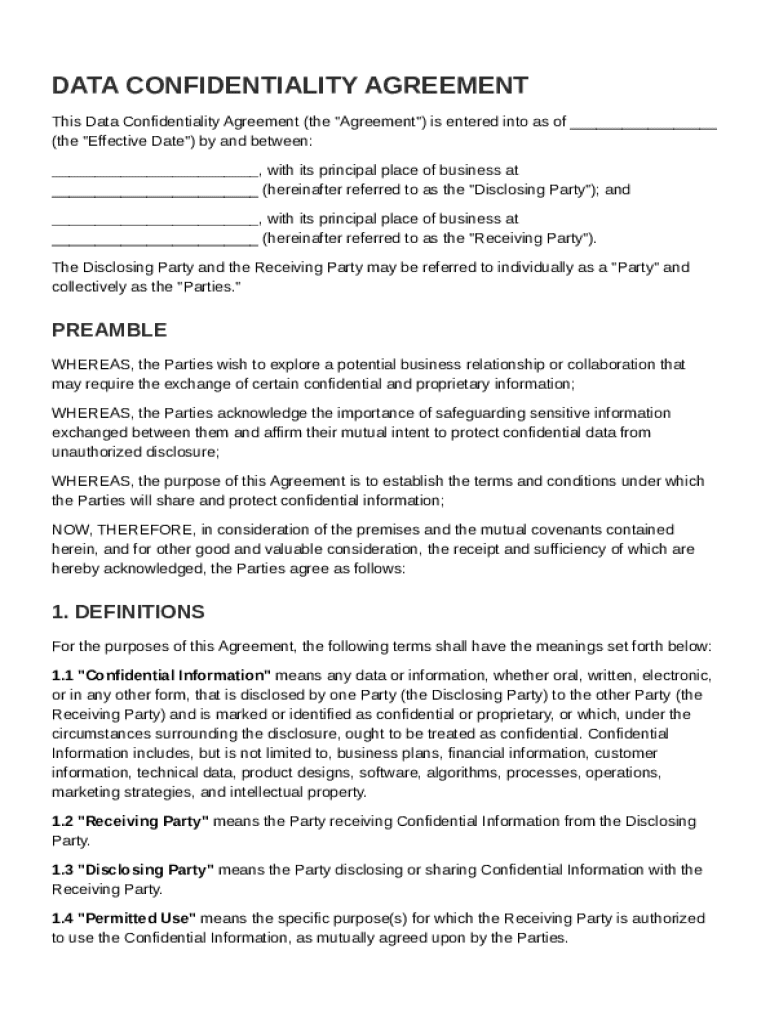
A Data Confidentiality Agreement (DCA) is a legal contract designed to protect sensitive information from unauthorized disclosure. It formalizes the obligation of the Receiving Party to maintain confidentiality concerning the shared data provided by the Disclosing Party. This type of agreement is essential in business relationships where proprietary information, trade secrets, or classified data might be exchanged. By defining the scope and limitations of information handling, a DCA aims to offer clear directives on how the information can be used, ensuring that business interests are safeguarded.
Key Terms within the Data Confidentiality Agreement
Within a Data Confidentiality Agreement, several crucial terms are clearly defined to elucidate obligations and boundaries. These include:
- Confidential Information: Details what constitutes confidential data, considering any exceptions.
- Disclosing Party and Receiving Party: Identifies the entities involved in the data exchange.
- Obligations of the Receiving Party: Outlines the measures the Receiving Party must take to protect the data.
- Exclusions: Specifies data types that are exempt from being classified as confidential.
Clear definitions help avoid misunderstandings and potential conflicts, creating a mutual understanding between parties.
Using the Data Confidentiality Agreement Template
Using a template for a Data Confidentiality Agreement streamlines the process of drafting a legally sound contract. Templates provide a structured format that guides users through the necessary steps to create a tailored agreement. Here's how to effectively utilize a template:
- Review the Template: Begin by reading through the entire document to understand its structure.
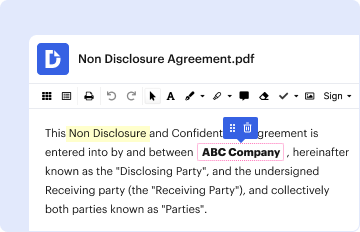
- Insert Specific Details: Fill in the blank fields with specific details about your business and the information involved.
- Adjust for Specific Needs: Modify any clauses that require particular attention depending on the project or information type.
- Legal Review: Consider having the completed agreement reviewed by a legal professional to ensure it meets all applicable legal standards and aligns with your business needs.
Working with a template reduces the time and effort involved in creating a unique agreement, facilitating a faster exchange process.
Completing the Data Confidentiality Agreement Template
Completing the Data Confidentiality Agreement Template involves several important steps to ensure its validity and effectiveness:
- Identify Parties: Clearly specify the names and contact details of both the Disclosing and Receiving Parties.
- Detail Confidential Information: Indicate precisely what information is deemed confidential, together with any exclusions.
- Outline the Duration: Specify the timeframe for which the confidentiality obligations will remain in effect.
- Define Use Restrictions: Explain how the receiving party is permitted to use the information, ensuring it's strictly for the purposes agreed.
- Add Covenants and Remedies: Include any additional promises made by the parties and detail remedies in case of breach.
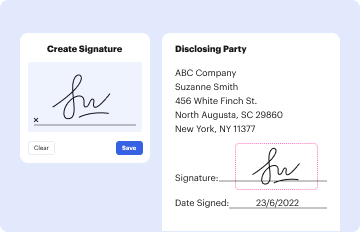
- Signatures: Ensure both parties sign the document to validate the agreement.
Each section of the agreement should be carefully filled out to prevent ambiguous interpretations.
Important Terms Related to the Data Confidentiality Agreement
Understanding the specific terms within a Data Confidentiality Agreement is crucial for ensuring compliance and avoiding disputes. Important terms may include:
- Term and Termination: The period during which the agreement is active and conditions that warrant its termination.
- Return of Information: Procedures for how information should be returned or destroyed once the agreement ends.
- Breach and Remedies: Defines what constitutes a breach of agreement and the legal remedies available.
- Dispute Resolution: Mechanism and processes for resolving any disagreements that arise about the agreement's execution or interpretation.
Awareness and comprehension of these terms support the proper execution of the agreement and protection of interests.
Legal Implications of the Data Confidentiality Agreement
The Data Confidentiality Agreement has several legal ramifications that both parties should be informed about. It creates a binding duty on the receiving party not to disclose the protected information:
- Contractual Obligations: Establishes legal responsibilities for protecting confidential information.
- Enforcement: Provides the option to seek legal recourse, such as injunctions or compensation, if a breach occurs.
- Internal Guidelines Compliance: May interact with other legal or corporate privacy policies in place within each party's organization.
Understanding these implications encourages parties to fully comply with the terms and supports preventable legal issues.
Examples of Using the Data Confidentiality Agreement
A Data Confidentiality Agreement can be pertinent in various contexts where information exchange occurs. Examples include:
- Vendor Agreements: Companies may use DCAs when sharing product specifications with third-party manufacturers.
- Partnerships: During business collaborations, each party might use a DCA to protect proprietary technologies or strategies.
- Acquisitions and Mergers: DCAs help secure sensitive financial information and strategic plans exchanged during due diligence.
These scenarios illustrate the broad applicability of DCAs in professional settings, highlighting their role in protecting interests and preventing information misuse.
State-Specific Considerations
In the United States, state laws can affect how a Data Confidentiality Agreement is interpreted and enforced. Some states may have specific regulations regarding data privacy, employment laws, and trade secrets that could influence the drafting of an agreement:
- California: Known for strict privacy laws, DCAs here must consider statutes such as the California Consumer Privacy Act (CCPA).
- New York: May have additional requisites for financial data protection under state-specific financial regulations.
- Texas: Considerations may include oil and gas industry privacy standards and specific NDAs related to this sector.
Be sure to account for the legal context of the state applicable, adjusting the DCA to adhere to regional mandates for full compliance.
Alternative Types and Versions of the Data Confidentiality Agreement
Various alternatives and versions of Data Confidentiality Agreements exist to cater to different needs:
- Mutual Confidentiality Agreements: Intended for scenarios where both parties exchange confidential information.
- One-Way Confidentiality Agreements: Used when only one party discloses confidential information.
- Non-Disclosure Agreements (NDAs): A broader category that includes DCAs, but can apply to a wider array of situations, including meetings and notes from briefings.
Selection of the appropriate type ensures alignment with business objectives and the nature of the information being protected.