




Key Elements of the Property Manager Agreement Template
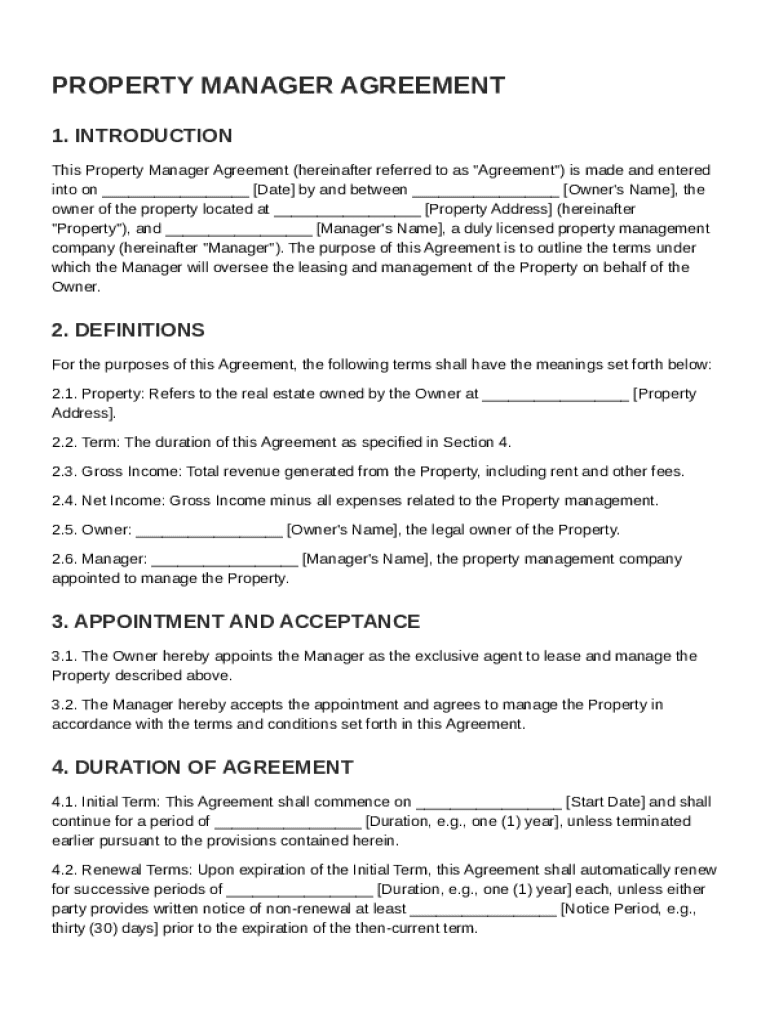
The Property Manager Agreement Template is a comprehensive document that outlines crucial aspects of the relationship between a property owner and a property management company. It serves as a formal contract ensuring clear understanding and expectations. Key elements commonly included are:
- Definitions: Clarify terms such as "property owner," "manager," "property," and any other specific terminology needed for legal clarity.
- Responsibilities: Detail the duties of both parties, including tasks like property maintenance, tenant communication, and financial reporting.
- Compensation: Outline the payment structure for management services, including fees and any additional costs.
- Termination: Cover the conditions under which either party can terminate the agreement, including notice periods and any penalties involved.
How to Use the Property Manager Agreement Template
Using this template involves careful customization to meet the specific needs of both the property owner and the management company. Steps include:
- Review the Full Document: Understand all sections before making adjustments.
- Customize Definitions and Duties: Tailor these according to property specifics and management expectations.
- Set Compensation Terms: Clearly define the fee structure and any included services.
- Add Any Special Clauses: Incorporate unique conditions relevant to particular properties or legal requirements.
- Seek Legal Review: Have the completed template reviewed by a legal professional to ensure compliance with local laws.
Steps to Complete the Property Manager Agreement Template
Completing the agreement requires a methodical approach to ensure all necessary details are included:
- Gather Required Information: Collect details about the property, parties involved, and exact scope of management services.
- Input Terms and Conditions: Fill in the template with specific responsibilities, payment information, and legal clauses.
- Review for Accuracy: Check all entries to ensure they reflect the agreed terms accurately.
- Agree on Final Version: Share the completed document with both parties for approval.
- Legal Review and Finalization: Complete a final check with a legal advisor to confirm compliance with local and federal regulations.
Important Terms Related to Property Manager Agreement Template
Understanding key terms used in the Property Manager Agreement can prevent misinterpretations:
- Indemnification Clause: Protects each party from claims, liabilities, or damages arising from the other's actions.
- Dispute Resolution: Outlines procedures for handling disagreements, often recommending mediation or arbitration.
- Compliance with Laws: Ensures both parties operate within federal, state, and local legal requirements.
Who Typically Uses the Property Manager Agreement Template
This template is utilized by various stakeholders in the real estate sector, including:
- Property Owners: Individuals or entities seeking to engage a management company for their real estate investments.
- Property Management Companies: Businesses offering services to oversee and manage properties on behalf of the owners.
These users benefit from having a clear agreement that specifies roles and expectations, which helps streamline operations and minimize disputes.

State-Specific Rules for the Property Manager Agreement Template
Property management laws can differ from state to state within the United States:
- Licensure Requirements: Some states require property managers to hold specific licenses.
- Specific Disclosure Obligations: Varying rules on tenant communication and property condition notices.
- Eviction Process Protocols: Differences in how tenant evictions are handled legally across states.
Understanding these regulations is crucial for ensuring the agreement is enforceable in the relevant jurisdiction.
Legal Use of the Property Manager Agreement Template
This template ensures that agreements are legally sound, promoting secure and fair dealings between parties:
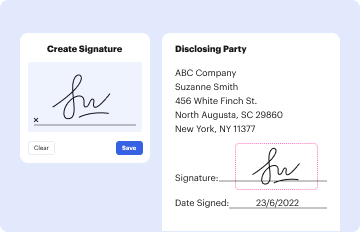
- ESIGN Act Compliance: Electronic signatures offer a legally binding alternative to paper signings.
- Protective Measures: Using well-defined clauses to reduce legal liabilities and misunderstandings.
Consulting a legal professional can ensure that the document adheres to all applicable legal standards.
Software Compatibility with DocHub
DocHub enhances the utility of the Property Manager Agreement Template through its comprehensive document management capabilities:
- Import and Export Features: Seamlessly integrate with platforms like Google Drive for easy access to documents.
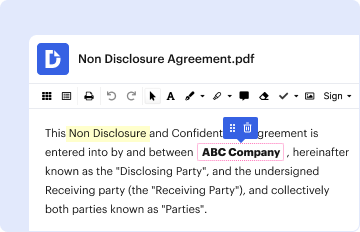
- Editing Tools: Make modifications directly in the document, from text editing to inserting images or logos.
- Fillable Fields: Create interactive forms with text boxes, checkboxes, and signature capabilities.
These features simplify document handling, making it easier to finalize and distribute the agreement between parties.
Versions or Alternatives to the Property Manager Agreement Template
Different scenarios might require versions of the template suited to varied needs:
- Residential vs. Commercial Templates: Adjust terms and responsibilities based on the type of property.
- Short-Term vs. Long-Term Agreements: Include provisions pertinent to leasing duration.
- Automated vs. Manual Management Plans: Different strategies for handling property management tasks.
Understanding the variations helps in selecting or creating an agreement that best fits the specific property management context.
Business Types that Benefit Most from Property Manager Agreement Template
Certain businesses can gain more from using this template:
- Real Estate Investment Firms: Coordinate management across multiple properties efficiently.
- Corporate Property Owners: Maintain consistent standards and oversight in managing commercial spaces.
These businesses find such templates invaluable for maintaining operational clarity and accountability.