




Definition and Meaning
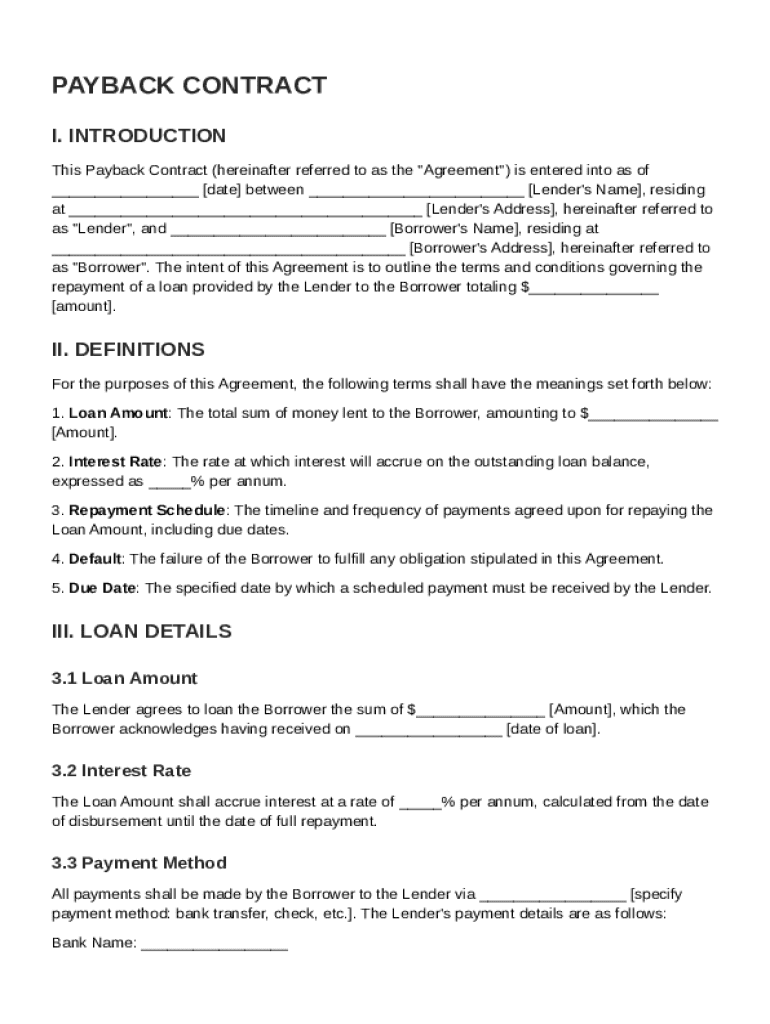
The Payback Contract Template is a legal document that formalizes the terms of a loan agreement between a lender and a borrower. It specifies critical details such as the loan amount, interest rate, and repayment schedule, ensuring that both parties have a clear understanding of their contractual obligations. This document also addresses the borrower’s responsibilities and outlines the consequences of default, providing legal protection to the lender. Additionally, the contract must be governed by the laws of a specified state, which adds an extra layer of legally-binding assurance.
This type of contract template serves as a vital tool in managing financial transactions, reducing the risk of misunderstandings that might arise in informal lending arrangements. The structure of the document is designed to capture all necessary elements in a comprehensive manner, ensuring clarity and mutual agreement.
Key Elements of the Payback Contract Template
The Payback Contract Template includes essential elements that stipulate the terms of the loan agreement. These components are crafted to provide a comprehensive record of the lending terms and can be customized according to the specific needs of the parties involved.
- Loan Amount and Purpose: Clearly outlines how much money is being loaned and the intended use for the funds.
- Interest Rate: Specifies the interest rate applied to the loan, which can be fixed or variable, and details how it will be calculated.
- Repayment Schedule: Sets out the timeline for repayments, including the frequency (monthly, quarterly) and method of payment.
- Default Provisions: Describes the actions to be taken if the borrower fails to make payments as agreed, including potential legal action or penalties.
- State Law Governing the Agreement: Identifies which state's laws will apply in interpreting the contract terms, ensuring legal compliance.
These elements aim to protect both parties by providing thorough documentation of the agreement, thereby minimizing potential disputes and legal risks.
Steps to Complete the Payback Contract Template
Filling out a Payback Contract Template involves a series of straightforward steps. Following these ensures that the agreement is both complete and legally enforceable:
- Identify the Parties: Clearly state the full names and contact details of both the lender and the borrower.
- Specify Loan Details: Include the loan amount, interest rate, purpose, and any conditions under which the loan is granted.
- Set Repayment Terms: Define the repayment schedule with clear dates and amounts, ensuring practicality for the borrower.
- Outline Default Conditions: Clearly articulate the consequences of failing to adhere to the repayment terms, including any penalties.
- Include Additional Clauses: Consider additional provisions such as early repayment options or modifications to repayment terms under certain conditions.
- Review and Sign: Both parties should carefully review the contract before signing to confirm accuracy and completeness.
By meticulously completing each step, you ensure that the contract serves its purpose effectively and provides sufficient legal protection for the parties involved.
Legal Use of the Payback Contract Template
The Payback Contract Template is a legal instrument designed for the U.S., ensuring that it aligns with American lending laws and practices. It provides a legally binding framework for lending arrangements, creating an enforceable agreement as recognized by U.S. law.
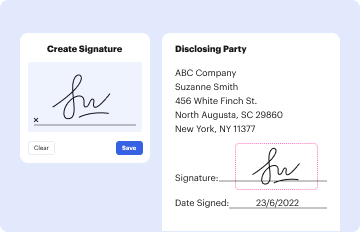
- ESIGN Act Compliance: This template is compatible with electronic signatures, making the document legally acceptable in digital form under the Electronic Signatures in Global and National Commerce Act.
- State-specific Legal Requirements: It addresses diverse state laws that may impact contract regulations, ensuring compliance in various jurisdictions.
- Amendments and Modifications: Any changes to the original agreement must be made in writing, highlighting the need for deliberate and documented adjustments.
Through its comprehensive legal structure, the Payback Contract Template helps mitigate risks associated with informal agreements and ensures that any future disputes have a clear and documented resolution path.
Who Typically Uses the Payback Contract Template
The Payback Contract Template is versatile and can be used by individuals and businesses alike. Its primary users include:
- Private Lenders and Individuals: Those engaging in personal loans within families, friends, or informal settings.
- Small Businesses and Entrepreneurs: Companies seeking to formalize internal loans or borrowing agreements with external parties.
- Investors and Financial Institutions: Professional lenders providing structured loans with clearly defined terms.
Each user benefits from the clarity and legal backing provided by the formalized agreement, which is essential in preserving relationships and ensuring compliance with legal standards.

Examples of Using the Payback Contract Template
Practical scenarios highlight the utility of the Payback Contract Template in real-world situations:
- Family Loans: A parent providing a loan to a child for schooling can use the template to formalize the terms and prevent familial disputes.
- Business Loans: Startups needing seed capital from angel investors may use the template to detail return expectations and stakes.
- Peer-to-Peer Lending: Individuals participating in platforms facilitating loans between peers can use this template to clearly outline expectations and obligations.
In each case, the template ensures transparency and structure, fostering trust between the involved parties and protecting their financial interests.
State-Specific Rules for the Payback Contract Template
Payback contracts must comply with specific state laws, which can impact their enforceability and terms:
- Interest Rate Caps: Some states impose maximum allowable interest rates, affecting how the contract specifies interest terms.
- Usury Laws: Regulations on the maximum interest that can be charged may differ from state to state.
- Filing and Registration Requirements: Certain jurisdictions require contracts to be filed or reported to state agencies, particularly for large sums or business loans.
Adhering to state-specific rules ensures that the contract is not only comprehensive but also legally sound in the relevant jurisdiction, protecting both the lender and borrower from potential legal complications.
Important Terms Related to the Payback Contract Template
Understanding key terms associated with the Payback Contract Template is essential for accurately interpreting its provisions:
- Principal: The initial amount of money borrowed or the remaining balance excluding interest.
- Amortization Schedule: A detailed plan of how the principal and interest are to be repaid over time.
- Secured vs. Unsecured Loans: Secured loans require collateral, while unsecured loans are based on creditworthiness alone.
- Balloon Payment: A final lump sum payment due after a series of smaller payments, often used to reduce initial repayment amounts.
- Prepayment Penalties: Fees charged if a loan is paid off before the end of the term as per the agreement.
Familiarity with these terms ensures all parties have a clear understanding of the agreement’s nuances, facilitating a smoother process from drafting to execution.