






Definition and Purpose of the Transport Contract Template
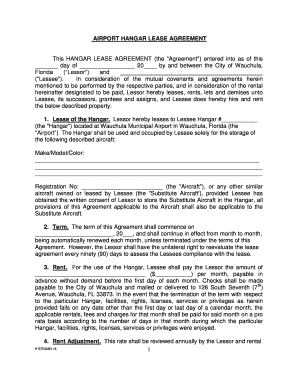
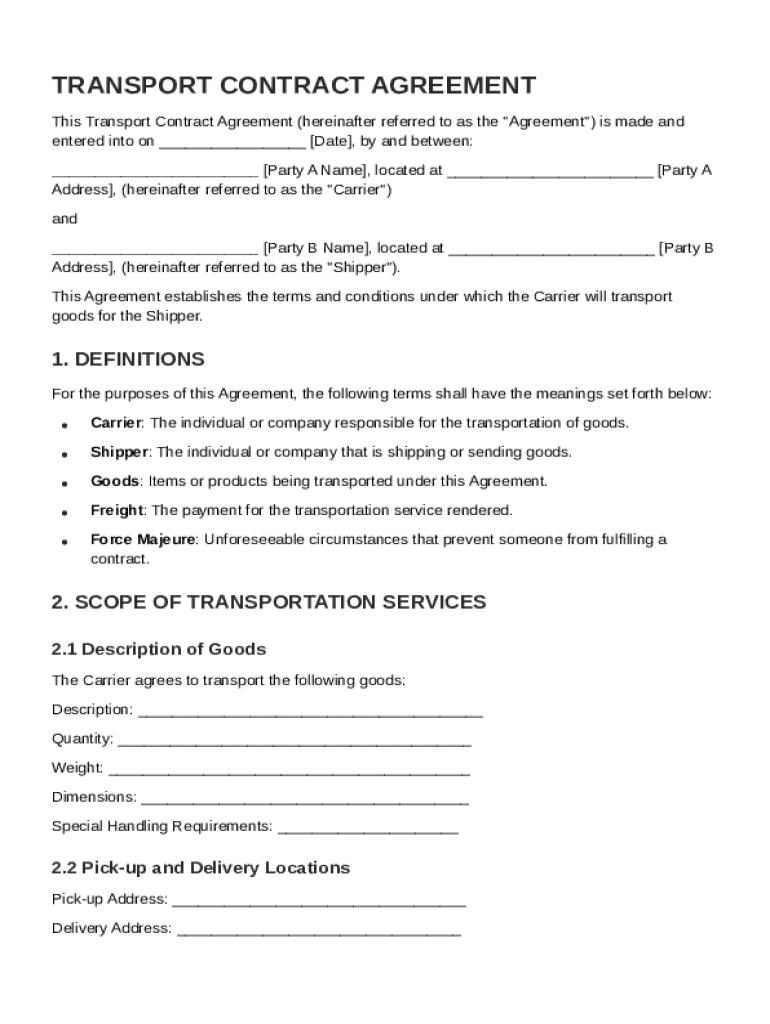
A Transport Contract Template is a structured agreement that outlines the terms and conditions for the transportation of goods between a carrier and a shipper. It serves to formalize the relationship and expectations between the involved parties. This document typically includes definitions, the scope of services, compensation details, responsibilities, liability limits, and insurance requirements. By providing a clear and concise framework, this template helps to prevent misunderstandings and disputes throughout the transport process.
Key Components of Transport Contracts
- Definitions: Specifies key terminologies used within the contract.
- Scope of Services: Details the transportation services to be provided.
- Compensation and Payment Terms: Outlines the agreed-upon costs and payment schedule.
- Responsibilities: Sets forth obligations for both the carrier and shipper.
- Liability and Insurance: Addresses liability limits and required insurance coverage.
Practical Application
For instance, a logistics company can utilize this template to standardize agreements with multiple shipping clients, ensuring consistency in service terms and legal compliance.
How to Use the Transport Contract Template
Using a Transport Contract Template effectively involves understanding its structure and tailoring it to meet specific needs. The process starts with selecting a template that closely matches your requirements, followed by customizing sections to reflect the particulars of your agreement.
Steps for Customization
- Review the Template: Analyze the default clauses and conditions.
- Customize Key Sections: Adjust the scope, terms, and responsibilities based on the transaction.
- Input Specific Details: Include names, dates, and unique contact information.
- Consult with Legal Experts: Ensure compliance with applicable legal standards.
- Finalize and Sign: Review the edited contract with involved parties before signing.
Examples of Usage Scenarios
An example is a manufacturer shipping goods to a retailer. Using the template, they can quickly modify terms related to specific goods, delivery timelines, and compensation structures to create a binding agreement.
Steps to Complete the Transport Contract Template
Completing a transport contract involves both preparation and attention to detail. It is essential to gather all necessary information and follow a structured approach to fill out the template accurately.
Detailed Procedure
- Gather Information: Collect contact details, shipment dates, and service descriptions.
- Fill In Basic Fields: Enter names, addresses, and relevant dates in the template.
- Specify Service Details: Precisely describe the goods to be transported and the expected delivery schedule.
- Outline Payment Terms: Detail the payment schedule, methods, and any financial penalties for delays.
- Review Legal Clauses: Ensure all legal terms align with the transportation industry standards.
- Final Review: Double-check all entries for accuracy before presenting it for signature.
Case Study Example
A small business might need to contract with a delivery service to transport seasonal products. Using the template, they can efficiently complete sections on delivery intervals, quantity of goods, and payment terms.
Legal Use and Compliance of the Transport Contract Template
Transport contracts must adhere to specific legal standards to be enforceable. This ensures that they provide the necessary legal protections for both parties.
Compliance Guidelines
- Adhere to State and Federal Laws: Ensure the contract aligns with local transportation and commerce regulations.
- Include Necessary Disclosures: Some contracts may require disclosing specific information like carrier licenses.
- Incorporate Standard Clauses: Default legal protections and warranties should be included.
Situational Examples
Consider a contract between two companies operating across state lines. The contract must comply with both jurisdictions' laws, which might necessitate a section on interstate commerce regulations to remain enforceable.
Key Elements to Consider in a Transport Contract Template
Each transport contract must be crafted with essential elements considered to ensure it meets both operational and legal standards.
Essential Sections to Include
- Goods Description: Detailed breakdown of items being transported.
- Delivery Instructions: Specifics on the transportation route and final destination.
- Risk Management: Provisions for handling damage or loss of goods.
- Termination Clauses: Conditions under which the agreement can be ended.
Practical Considerations
For example, if transporting perishable items, include a clause concerning temperature-controlled environments. This prevents spoilage and ensures compliance with industry standards.
Who Typically Uses the Transport Contract Template
The Transport Contract Template is widely used across various sectors, especially those involving the movement of goods regularly.


Common Users
- Logistics and Transport Companies: Regularly utilize such templates to establish contracts with multiple clients.
- Manufacturers and Suppliers: Create agreements with carriers for distributing their products.
- Retailers: Engage with transport services to restock inventories efficiently.

User Scenario
A large retail chain might use this template to engage with multiple carriers, ensuring that each shipment remains consistent with the company's logistic standards while adapting to each carrier's capabilities.
Important Terms Related to Transport Contract Template
Understanding the key terms related to transport contracts is vital for effective execution and regulatory compliance.
Key Terms and Definitions
- Carrier: The organization responsible for transporting the goods.
- Shipper: The entity sending goods via a carrier.
- Freight: The cargo being transported.
- Bill of Lading: Document acknowledging receipt of cargo for shipment.
Relational Examples
A shipper might want clarity on terms like "Bill of Lading" to understand the legal standings of shipments received by carriers, especially in case of disputes over goods delivered.
State-Specific Rules for Transport Contracts
Transport contracts might need adaptation to align with state-specific regulations, which could affect aspects such as insurance requirements and liability limits.
Regulatory Considerations
- State Transportation Laws: Compliance with local transportation guidelines.
- Insurance Variations: Different states may have specific insurance demands for carriers.
Example Adaptation
A transport contract in California might include provisions for additional environmental regulation compliance, while in Texas, it may focus more on agricultural product transportation standards.
By thoroughly customizing and understanding the Transport Contract Template, businesses can ensure efficient transactions and risk management in the transportation of goods.