




Definition & Meaning
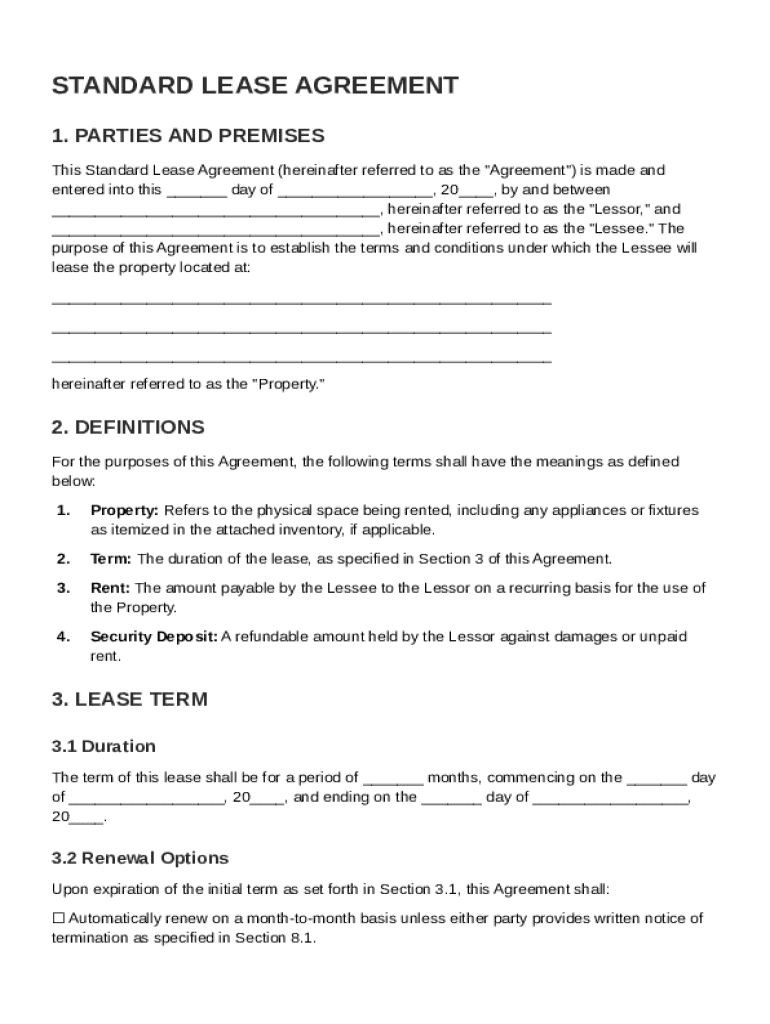
A Standard Lease Agreement Template is a comprehensive legal document used to specify the terms and conditions between a lessor (landlord) and lessee (tenant) for renting a residential or commercial property. It serves as a formal contract that outlines the rights and responsibilities of both parties throughout the lease duration. Key components of the template typically include details such as the property’s location, the identities and contact information of the involved parties, the lease term, payment specifics, and any restrictions on property use. This agreement establishes a clear framework to prevent misunderstandings and disputes, ensuring a smooth leasing process.
How to Use the Standard Lease Agreement Template
Utilizing the Standard Lease Agreement Template effectively requires several steps to ensure all parties are clear about the terms. Begin by downloading the template and filling in the basic information such as the full names of the lessor and lessee, as well as the address of the rental property. Ensure to specify the length of the lease, commonly one year, but this can vary based on mutual agreement. The document should comprehensively list any specific terms or conditions important to the landlord, such as maintenance responsibilities or rules regarding pets. Both parties need to review the entire document meticulously, making amendments as necessary. Once all terms are agreed upon, each party must sign the agreement, making it legally binding.
Steps to Complete the Standard Lease Agreement Template
- Input Basic Details: Start by providing the full names of the landlord and tenant, as well as the property address.
- Define Lease Term: Clearly specify the duration of the lease, including the start and end dates.
- State Rent Details: Mention the total rent amount, due dates, acceptable payment methods, and any late fees applicable.
- Outline Security Deposit: Include the amount of security deposit required, terms of its return, and conditions under which deductions might occur.
- Include Property Use Terms: Specify any restrictions on property use, such as alterations to the property and guidelines on pets.
- Mention Maintenance Responsibilities: Clearly allocate maintenance duties between landlord and tenant for transparency.
- Review and Adjust: Both parties should thoroughly review the agreement, making necessary amendments.
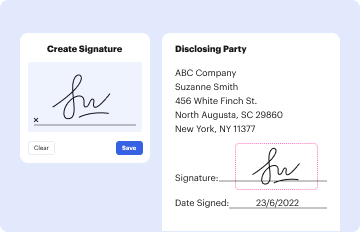
- Signatures: The agreement becomes legally binding upon signature by both the landlord and tenant.
Key Elements of the Standard Lease Agreement Template
A Standard Lease Agreement Template encompasses several crucial elements necessary for ensuring clarity and legal adherence. First, it includes the identification of both the lessor and lessee. Second, it specifies the property details, including a description and address. The template also contains the financial terms, delineating the rent amount, payment schedule, and penalties for late rent. Another important section details the lease term, including start, end dates, and renewal options. Additional provisions cover security deposits, maintenance obligations, and any applicable restrictions or clauses that impact how the property is used. Finally, a standard lease template contains a signature section where all parties must sign to validate the agreement.
Important Terms Related to Standard Lease Agreement Template
Understanding the key terms in a Standard Lease Agreement Template is essential for both landlords and tenants. These terms often include:
- Lease Duration: The period for which the lease is valid.
- Rent Amount: The monetary payment required for occupancy.
- Security Deposit: An additional upfront payment to cover potential damages.
- Maintenance Obligations: Responsibilities of either party regarding property upkeep.
- Termination Clauses: Rules and procedures for ending the lease early.
Each term is integral to negotiating and understanding the rights and duties involved, ensuring that both parties adhere to the agreed contract throughout the lease term.
Legal Use of the Standard Lease Agreement Template
The Standard Lease Agreement Template serves as a legally binding contract that outlines the obligations and rights of both the landlord and tenant. To ensure legal enforceability, the document must comply with federal, state, and local laws. This requires the template to be comprehensive and include critical elements such as payment terms, lease duration, and tenant rights to privacy. The agreement is also governed by laws that include statutes for fair housing, eviction procedures, and lease termination notices. It is vital for both parties to retain a signed copy of the agreement and understand that breach of any stipulated terms could result in legal action.
State-Specific Rules for the Standard Lease Agreement Template
The Standard Lease Agreement may vary from state to state due to differing legal requirements. For example, some states have specific rules regarding the maximum allowable security deposit, while others may regulate the notice periods required for lease termination. It's crucial for landlords and tenants to familiarize themselves with their state’s landlord-tenant laws to ensure the agreement adheres to local regulations. This might include obligations around handling tenant deposits or specific disclosure requirements that must be included in the lease documentation. Consulting a legal professional familiar with state-specific real estate laws is advisable to ensure comprehensive coverage and compliance.
Examples of Using the Standard Lease Agreement Template
Real-world scenarios can illustrate how the Standard Lease Agreement Template is applied. For instance, a family looking to rent a new home can use the template to establish clear and consistent terms, such as monthly rent payments and maintenance duties. Similarly, a small business leasing office space can employ the agreement to set forth the use of the space and stipulate operational restrictions or allowed alterations. These examples demonstrate how the template can adapt to various rental contexts, ensuring both residential and commercial tenants have a robust legal framework for property use.