




Definition & Meaning
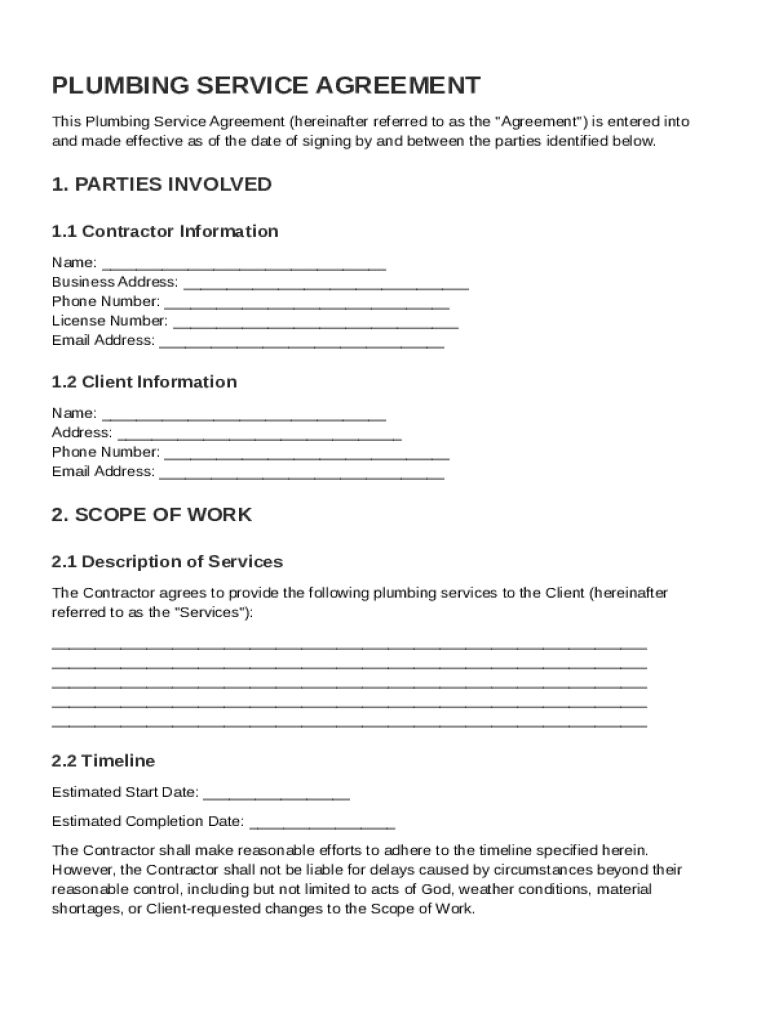
A Plumbing Service Agreement Template is a comprehensive document that outlines the specific terms and conditions between a plumbing contractor and a client. This template is designed to detail every facet of a plumbing service arrangement, ensuring that both parties are clear on their responsibilities and expectations. The agreement typically includes the scope of work, compensation details, warranties, liability limitations, governing law, and other critical components. By using this template, both parties can establish a mutual understanding, minimizing the potential for disputes and fostering a professional relationship.
- Scope of Work: This section clearly defines the tasks the contractor is expected to perform, from routine maintenance to emergency repairs.
- Compensation: Details the payment arrangements, including hourly rates, flat fees, or any payment schedules agreed upon by both parties.
- Responsibilities: Outlines the obligations of both the contractor and the client, ensuring accountability on both sides.
- Term and Termination: Specifies the duration of the agreement and conditions under which it can be terminated by either party.
Key Elements of the Plumbing Service Agreement Template
A well-structured Plumbing Service Agreement Template should include several key elements to ensure comprehensive coverage of all aspects of the service arrangement.
Essential Components
- Parties Involved: Clearly state the names and contact information of both the contractor and the client.
- Description of Services: Provide a detailed list of all services to be performed. This helps prevent any potential misunderstandings or omissions.
- Payment Terms: Define the method and schedule for payments. This may include deposits, installation fees, or penalties for late payments.
- Insurance and Liability: Outline the insurance requirements for the contractor and any liability limitations to protect both parties.
- Governing Law: Specify the state law that will govern the agreement, relevant for resolving any future disputes.
Additional Considerations
- Modification Clause: Any changes to the agreement must be documented in writing to be valid.
- Indemnification: May include clauses protecting either party from certain liabilities arising from the other's negligence.
- Confidentiality and Non-Disclosure: Ensures that any sensitive information shared is protected under the agreement.
Steps to Complete the Plumbing Service Agreement Template
Completing a Plumbing Service Agreement Template requires attention to detail and clear communication between the involved parties. Follow these steps to ensure thorough completion:
- Gather Information: Collect all necessary details, such as party names, contact information, and the scope of services required.
- Define the Scope of Work: Clearly list all tasks and deliverables expected from the plumber. This helps manage client expectations and provides a reference for any future disputes.
- Agree on Compensation: Discuss and agree upon payment terms. This includes rates, payment schedules, and any potential penalties for late payments.
- Review Terms and Conditions: Carefully review all terms related to warranties, liabilities, and governing laws. Ensure both parties understand and agree to these conditions.
- Finalize the Agreement: Once all terms are agreed upon, both parties should sign the document, making the agreement legally binding.
Considerations for Completion
- Customization: Tailor the document to suit the specific needs of both parties. Legal counsel should review any custom clauses to ensure compliance with state law.
- Clarity and Precision: Use clear, straightforward language to avoid potential misinterpretations.
- Documentation: Both parties should keep a copy of the signed agreement for their records.
Legal Use of the Plumbing Service Agreement Template
The Plumbing Service Agreement Template serves as a legally binding contract, establishing the framework for professional transactions between a contractor and a client.
Legal Benefits
- Clarity: Provides clear guidelines and expectations for both parties, reducing ambiguities.
- Protection: Offers legal protection for both parties by clearly defining liabilities, responsibilities, and compensation.
- Resolution of Disputes: Serves as a reference in case of disagreements, aiding in dispute resolution and providing a basis for legal proceedings if necessary.
Legal Considerations
- State Compliance: Ensure the template complies with applicable state laws, as these govern the validity and enforceability of the contract.
- Review by Legal Counsel: Consider having the agreement reviewed by a lawyer to ensure completeness and compliance.
Software Compatibility and Integration
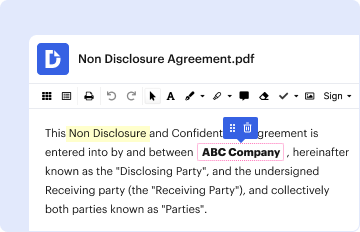
While the Plumbing Service Agreement Template is traditionally a paper document, modern solutions like DocHub have made it easier to edit, sign, and share electronically.
- Document Formats: Compatibility with various formats—such as PDF, DOC, PPT, and XLS—allows users to seamlessly integrate the template into existing document workflows.
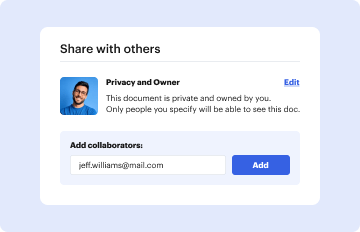
- Editing and Collaboration: DocHub supports real-time collaboration, enabling multiple parties to review and modify the agreement simultaneously.
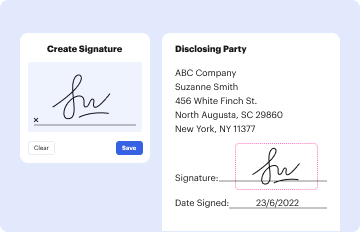
- Electronic Signatures: Legally binding e-signature options provide a convenient alternative to traditional ink signatures, ensuring security and compliance.
State-Specific Rules for the Plumbing Service Agreement Template
State regulations can influence specific terms within a Plumbing Service Agreement Template. Understanding these rules ensures compliance and mitigates risks associated with drafting enforceable service agreements.
Common State-Specific Considerations
- Licensing Requirements: Some states necessitate that plumbers possess specific licenses or certifications, which should be factored into the agreement.
- Liability Clauses: Variation in laws regarding liability may impact how liability clauses are drafted and enforced.
- Indemnification and Insurance: State laws might mandate specific insurance types or coverage levels for contractors.
Advice for Compliance
- Research Local Laws: Ensure understanding of state-specific legal requirements and incorporate these into the agreement.
- Consult Local Experts: Engaging with local legal professionals can provide insights and help verify the document's compliance with state regulations.
Examples of Using the Plumbing Service Agreement Template
The Plumbing Service Agreement Template can be utilized in various scenarios, demonstrating its versatility and necessity.
Real-World Applications
- Residential Plumbing Services: Homeowners can use the agreement for routine maintenance services, specifying seasonal needs or specific tasks such as pipe replacements.
- Commercial Contracts: Businesses may incorporate the template for ongoing plumbing services for office buildings, ensuring regular inspections and emergency repairs are covered.
- Emergency Services: Clients seeking 24/7 service availability can outline terms for urgent repairs, highlighting response times and costs.
Case Studies
- Example 1: A homeowner contracts a plumber to replace outdated fixtures. The agreement specifies scope, payment terms, and warranty conditions, providing clarity and peace of mind.
- Example 2: A business enters into a service agreement for regular maintenance of its sprinkler system, detailing service schedules, responsibilities, and expected outcomes.
Digital vs. Paper Version Considerations
Selecting between a digital or paper version of the Plumbing Service Agreement Template influences both usability and accessibility.
Digital Version Advantages
- Easability: Offers seamless integration with cloud storage and document management systems, allowing effortless sharing and retrieval.
- Real-Time Editing: Multiple users can access and edit the document simultaneously, maintaining an up-to-date version for all parties.
- Signature Capabilities: Electronic signatures save time and provide a secure method for finalizing documents.
Paper Version Considerations
- Traditional Preference: Some clients may prefer paper agreements for physical record-keeping.
- Limitations: Paper documents can dissolve quickly, lack collaborative features, and face limitations in accessibility and storage.