




Definition and Meaning of Lease Amendment Agreement Template
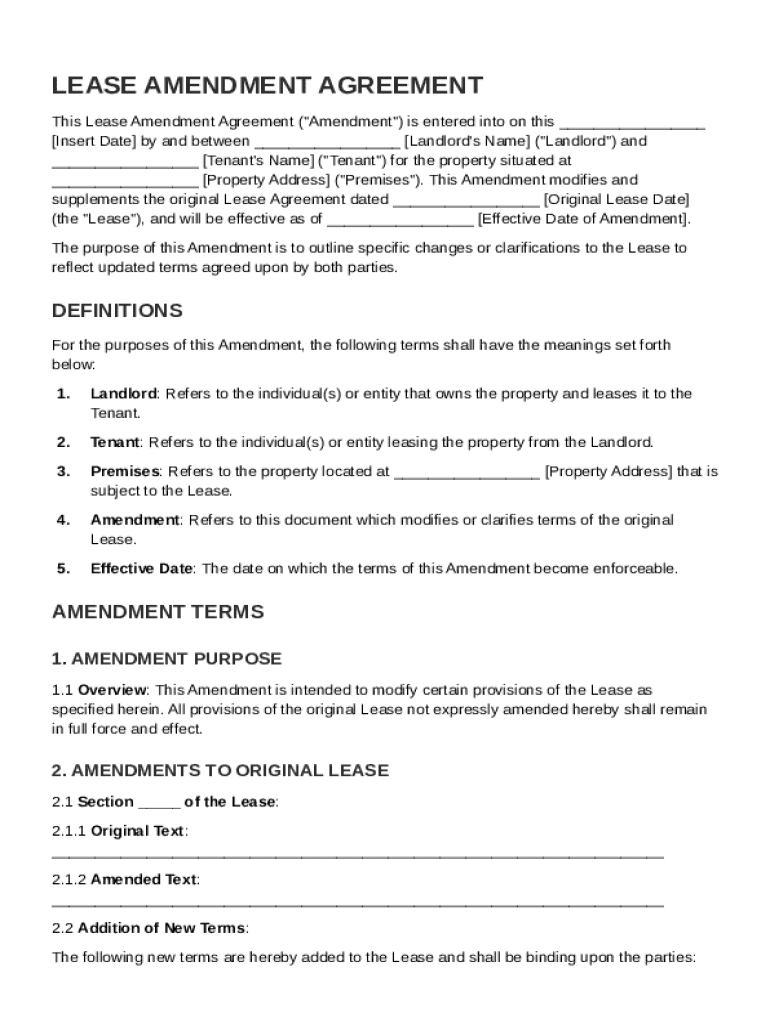
A Lease Amendment Agreement Template is a structured document used to formally adjust the terms of an existing lease agreement between a landlord and a tenant. This legal document serves to modify specific conditions—like rent, lease duration, or property use—without nullifying the original lease. By specifying changes explicitly, both parties maintain a clear understanding of their rights and responsibilities, ensuring that the lease reflects any new arrangements or agreements made during the rental period.
Key Aspects Included in the Template
- Change Details: Specifies the clause(s) being amended and the exact nature of modifications.
- Effective Date: States when the amendment starts to apply.
- Preservation of Original Terms: Confirms that unaltered terms of the original lease remain valid.
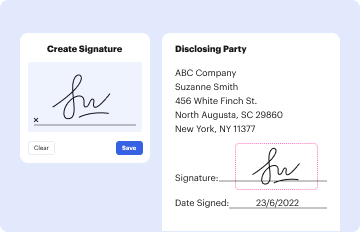
- Signatures: Requires both parties' signatures for validation.
How to Use the Lease Amendment Agreement Template
Using a Lease Amendment Agreement Template is a straightforward process aimed at ensuring both parties clearly understand and agree to new terms. The template guides users through each section, ensuring comprehensive compliance with legal standards.
Step-by-step Instructions
- Review Original Lease: Ensure that all parties understand existing terms.
- Identify Changes Needed: Clearly outline what modifications are being proposed.
- Complete the Template: Fill in all relevant sections, referencing the original lease where necessary.
- Seek Legal Advice: If required, consult a legal expert to verify compliance with state laws.
- Sign and Date: Both parties must sign and date the document for it to be legally binding.
Practical Example
Consider a scenario where a tenant needs to extend the lease period. This can be done by filling the extension details into the template, ensuring all involved parties agree to the new term duration.
Steps to Complete the Lease Amendment Agreement Template
Completing a Lease Amendment Agreement Template involves several detailed steps to ensure that all necessary changes are legally binding.
Detailed Process
- Gather Required Information: Collect all pertinent details from the original lease.
- Specify the Amendment: Clearly describe the changes being made (e.g., change in rent amount or lease term).
- Draft the Amendment: Use the template to insert modification details, making sure to maintain clarity and precision.
- Review with All Parties: All parties involved should agree to the changes before finalizing the document.
- Finalize and Sign: The agreement must be signed by both the landlord and the tenant to take effect.
Edge Cases
- Multiple Changes: If multiple terms are being amended, each must be specified separately, ensuring clarity across the document.
- Third-Party Input: Some amendments might necessitate input from third parties, such as legal advisors or property managers.
Key Elements of the Lease Amendment Agreement Template
The template incorporates several vital components that jointly ensure comprehensive and legal contractual modifications.
Essential Elements
- Title and Introductory Clause: Establishes the purpose of the document.
- Definitions: Clarifies legal and contractual terms used within the amendment.
- Specific Amendments: Details all modifications to existing lease terms.
- Signatures and Notarization: Legalizes the document upon signing; notarization may be required depending on jurisdiction.
Considerations
- State Specifics: Adhering to local laws and regulations is crucial as requirements may vary significantly between states.
Legal Use of the Lease Amendment Agreement Template
The template serves as a legally recognized document when amending lease terms, ensuring all amendments are clearly documented and enforceable.
Compliance Guidelines
- Adherence to State Laws: Must comply with state-specific leasing and contract laws.
- Validity Requirements: Both parties must mutually agree and sign the document to validate modifications.
- Recording Changes: All amendments should be documented precisely to avoid future disputes.
Exceptions
Certain jurisdictions might have unique legal requirements or restrictions about specific lease term amendments, like those affecting rental pricing.
Important Terms Related to the Lease Amendment Agreement Template
Understanding key terms is critical for effectively using the Lease Amendment Agreement Template.
Definitions
- Effective Date: The date when new changes become active.
- Leasehold Estate: The interest or rights a tenant holds during their lease term.
Examples and Explanations
- Rent Escalation: Adjustments to rent specified in terms of percentage or fixed dollar amount as per amended agreement.
- Access and Rights: Alterations impacting the tenants’ use or rights regarding the premises must be clearly outlined.
Who Typically Uses the Lease Amendment Agreement Template
This template is widely used by various stakeholders in rental agreements who need to formalize changes to existing contracts.

Common Users
- Landlords and Property Managers: When formalizing rental term changes or dealing with administrative adjustments.
- Tenants: To ensure changes to lease conditions, such as term extensions or rent adjustments, are legally binding.
- Legal Advisors: To assist clients in ensuring compliance with applicable laws and correct documentation of lease amendments.

Business Contexts
The template is equally vital for commercial leases, ensuring that businesses’ rental terms reflect any operational changes or requirements over time.
State-Specific Rules for the Lease Amendment Agreement Template
State laws often dictate unique requirements for legally amending lease agreements.
Examples of State Differences
- California: Might require specific disclosures regarding occupancy changes or building conditions.
- Texas: Could have distinct rules around notarization or recording lease amendments with public authorities.
Importance of Local Compliance
Ensuring that amendments adhere to state-specific legal standards minimizes the risk of enforceability issues and potential legal disputes.
Practical Examples of Using the Lease Amendment Agreement Template
Several real-world scenarios demonstrate the utility and importance of the Lease Amendment Agreement Template.
Common Use Cases
- Rent Modification: Adjusting the rent amount due to market changes.
- Lease Extension: Extending the lease term to accommodate tenants' housing needs beyond the initial period.
- Subleasing Agreements: Documenting terms where tenants lease a portion or all of their premises to another party.
Case Study
A university's off-campus housing office regularly uses these templates to manage housing changes requested by students, ensuring transparency and compliance with housing policies.