




Definition and Purpose of a Consignment Store Contract Template
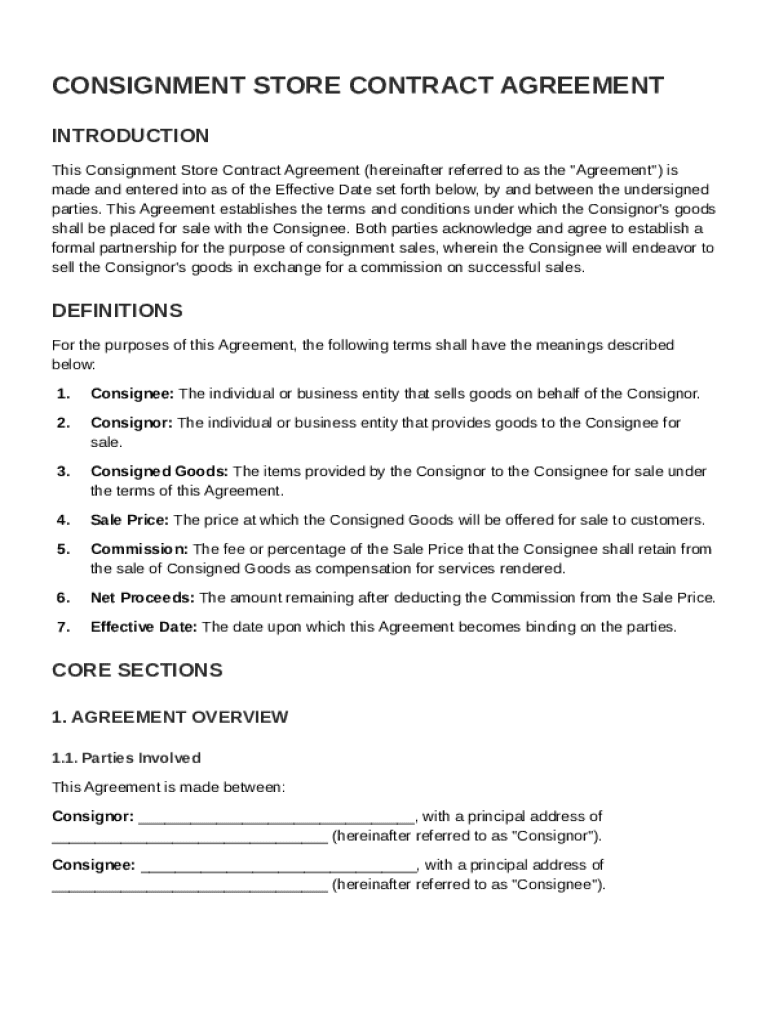
A Consignment Store Contract Template is designed to standardize the agreement between the consignor, who provides goods, and the consignee, who sells the goods on behalf of the consignor. It outlines crucial terms, such as 'Consigned Goods', 'Sale Price', and 'Commission'. This template is used to clarify the responsibilities of both parties, detailing the process for reporting sales, managing liabilities, and terminating the agreement. The goal is to protect the interests of both consignors and consignees and to prevent potential disputes or misunderstandings.
How to Use the Consignment Store Contract Template
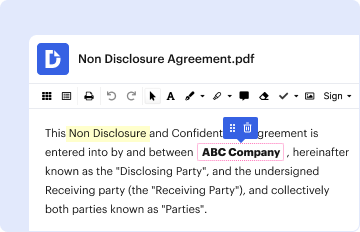
- Download and Open the Template: Begin by downloading the template from an online platform, such as DocHub, and open it in a compatible document editor.
- Customize with Specific Details: Input specific details, like the names and contact information of both the consignor and consignee, descriptions of the consigned goods, and commission rates.
- Outline Sale Process: Specify how the goods will be displayed, priced, and sold. Include details on promotional activities, if any.
- Set Reporting Requirements: Define how and when sales reports should be provided to the consignor, including the format and frequency of reporting.
- Review and Finalize: Both parties should review the completed template to ensure all terms are agreeable before signing.
Steps to Complete the Consignment Store Contract Template
- Identify Parties: List the full legal names and contact information for both the consignor and consignee.
- Describe Goods: Provide a detailed description of the goods to be consigned, including quantity, quality, and condition.
- Determine Sale Terms: Set the sale price, commission percentage, and payment terms.
- Include Termination Clause: Establish how the contract can be terminated by either party and the conditions for termination.
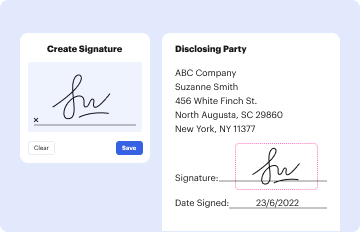
- Sign the Agreement: Ensure both parties sign the contract with legally binding electronic signatures, which can be managed through platforms like DocHub.
Key Elements of the Consignment Store Contract Template
- Consigned Goods Description: Clarity about the items being sold, including distinguishing features.
- Commission Terms: Defines how much the consignee earns from each sale.
- Payment Schedule: Specifies when and how the consignor will receive payment for sold goods.
- Return of Unsold Goods: Agreement on how unsold items will be handled, including any timelines or conditions for return.
- Insurance and Liability: Details on who is responsible for insurance coverage and what liabilities each party holds.
Legal Use of the Consignment Store Contract Template
The template must comply with relevant state and federal laws to protect both parties' rights. It's advisable to review the completed contract with a legal professional to ensure it aligns with legal standards and practices. Clauses related to dispute resolution, governing law, and contractual obligations should be clearly defined and enforceable within a U.S. context.
Who Typically Uses the Consignment Store Contract Template
- Small Business Owners: Entrepreneurs running boutique stores or online platforms that sell third-party goods.
- Artisans and Crafters: Individuals creating handmade goods often rely on consignment agreements to reach retail markets.
- Retail Chains: Larger retailers may use consignments for select products to diversify their inventory without upfront costs.
- Independent Retailers: Store owners who prefer a revenue-sharing model to mitigate initial investment risks.

State-Specific Rules for the Consignment Store Contract Template
Each state may have unique regulations governing consignment sales, affecting how contracts are structured and enforced. For instance, certain states might require specific disclosures or tax treatments for consigned goods. It's important to verify any state-specific requirements or guidelines when drafting the consignment contract to ensure compliance.
Important Terms Related to the Consignment Store Contract Template
- Consignor: The owner of the goods being sold.
- Consignee: The party selling the goods on behalf of the consignor.
- Sale Price: The price at which the goods will be sold to the end customer.
- Commission: The percentage of the sale price retained by the consignee as a service fee.
- Termination Clause: Conditions under which the agreement can be ended by either party.