



Definition and Meaning
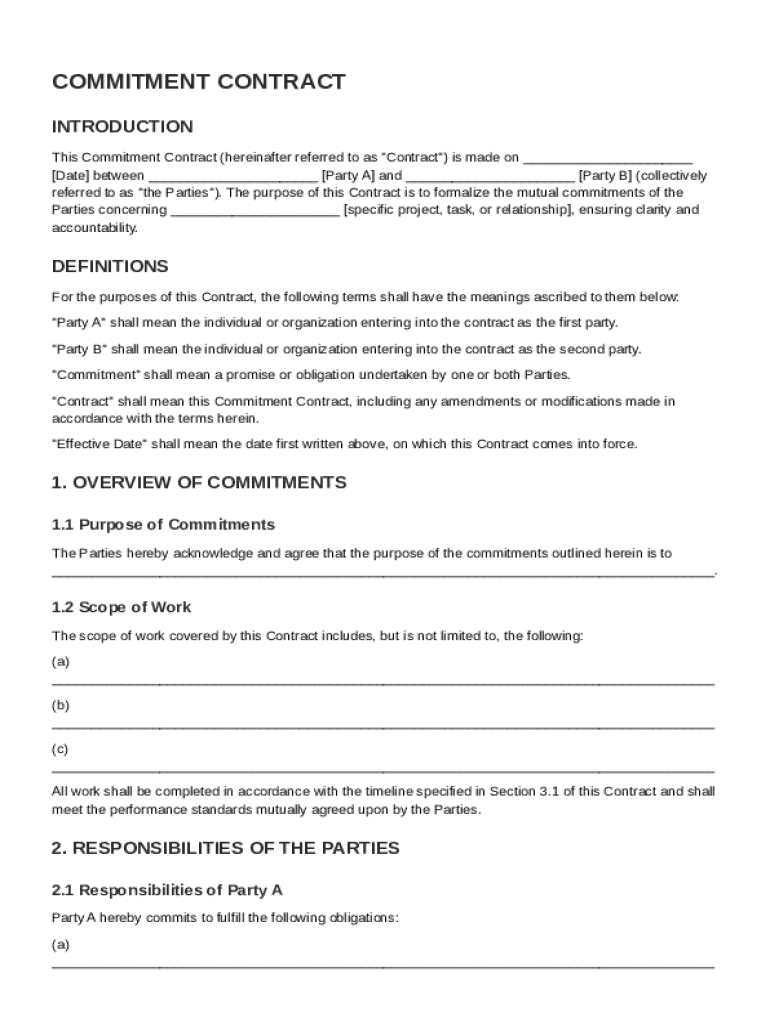
A commitment contract template is a formal document that outlines the mutual commitments agreed upon by two or more parties. It serves as a structured framework for detailing the obligations and responsibilities associated with a specific project or relationship. Key elements typically included in these contracts are the objectives, expected outcomes, project timelines, and communication protocols necessary for effective collaboration. By specifying these details, a commitment contract ensures clarity and accountability among all parties involved, helping to minimize misunderstandings and disputes.
Key Elements of the Commitment Contract Template
A commitment contract template generally comprises several essential components designed to cover various aspects of the agreement:
- Parties Involved: Clearly identifies all individuals or entities entering into the agreement.
- Scope of Work: Details the specific tasks and responsibilities each party is committing to.
- Timeframes: Establishes deadlines and duration for the completion of obligations.
- Communication Protocols: Defines how parties will communicate throughout the contract period.
- Confidentiality Clauses: Outlines any confidentiality requirements pertinent to the project or relationship.
- Amendment Procedures: Specifies how any changes to the contract will be handled.
- Dispute Resolution: Provides mechanisms for resolving any disagreements that may arise.
These elements ensure all parties are on the same page and facilitate a smooth execution of tasks.
How to Use the Commitment Contract Template
Utilizing a commitment contract template involves several critical steps to ensure it fits the specific needs of the project or relationship:
- Identify the Objective: Determine the goals and desired outcomes of the agreement.
- Customize the Template: Modify any template language to accurately reflect the specific commitments and requirements of your situation.
- Define Responsibilities: Clearly articulate the expectations and tasks assigned to each party.
- Set Timelines: Establish practical deadlines that all parties can agree on.
- Include Terms for Modification and Dispute Resolution: Ensure processes for amendments and dispute handling are included.
- Review and Finalize the Document: Have all parties involved review the document for accuracy and completeness before finalizing and signing.
By following these steps, users ensure the commitment contract template is tailored to their specific circumstances, promoting effective collaboration.
Legal Use of the Commitment Contract Template
Understanding the legal framework surrounding the use of a commitment contract template is crucial:
- Legally Binding Nature: Once signed, these contracts are usually considered legally binding, emphasizing the importance of precision and accuracy in their drafting.
- Compliance with Laws: Contracts must comply with relevant state and federal laws to ensure enforceability.
- Review by Legal Counsel: Given their binding nature, it may be beneficial for parties to seek legal advice before signing, especially for complex agreements.
Legal considerations help assure the contract serves its intended purpose and is enforceable in a court of law, should disputes arise.
Examples of Using the Commitment Contract Template
Practical applications of a commitment contract template can vary widely across different fields:
- Business Partnerships: Defining roles, contributions, and profit-sharing agreements between partners.
- Freelancer Agreements: Mapping out deliverables and payment terms for freelance projects.
- Project Collaborations: Coordinating tasks and responsibilities in joint ventures or collaborative projects.
These examples illustrate the versatility of commitment contracts as tools for effective management and execution of shared objectives in diverse contexts.
Required Documents
When preparing to draft a commitment contract, certain documents might be necessary to ensure all information is comprehensively addressed:
- Identification Documents: To verify the identity of all parties.
- Previous Agreements: Any existing contracts or commitments that may influence the new agreement.
- Project Specification Documents: Detailed descriptions or blueprints of the project or work involved.
- Budget or Financial Statements: If financial commitments or profit-sharing are involved.
Having these documents on hand streamlines the process and ensures the agreement is as accurate and effective as possible.
Steps to Complete the Commitment Contract Template
Completing a commitment contract template requires careful attention to detail:
- Gather Information: Collect all relevant data and documents needed for the contract.
- Fill Out Necessary Sections: Ensure all required fields in the template are completed, including details of parties, responsibilities, and timelines.
- Review Terms and Conditions: Closely examine any legal or formal language to ensure it accurately reflects the intentions and compliance of the agreement.
- Consult with Stakeholders: Discuss with all parties involved to ensure understanding and agreement.
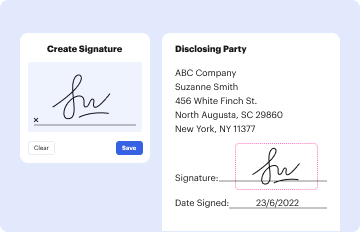
- Finalize and Sign: Once all parties agree, the contract should be signed and dated to formalize the commitment.
By following these steps, parties can complete their commitment contract templates efficiently and accurately, ensuring clear mutual understanding.
Who Typically Uses the Commitment Contract Template
Commitment contract templates are utilized by a diverse range of individuals and organizations:
- Small Business Owners: For formal agreements with partners or clients.
- Nonprofit Organizations: Establishing clear expectations with donors or collaborating entities.
- Freelancers and Contractors: To protect their interests when engaging with clients on specific projects.
- Corporate Entities: Managing internal and external commitments effectively.
This broad applicability highlights the utility of commitment contract templates across various sectors where clear agreements are paramount.