




01. Edit your form online
Type text, add images, blackout confidential details, add comments, highlights and more.

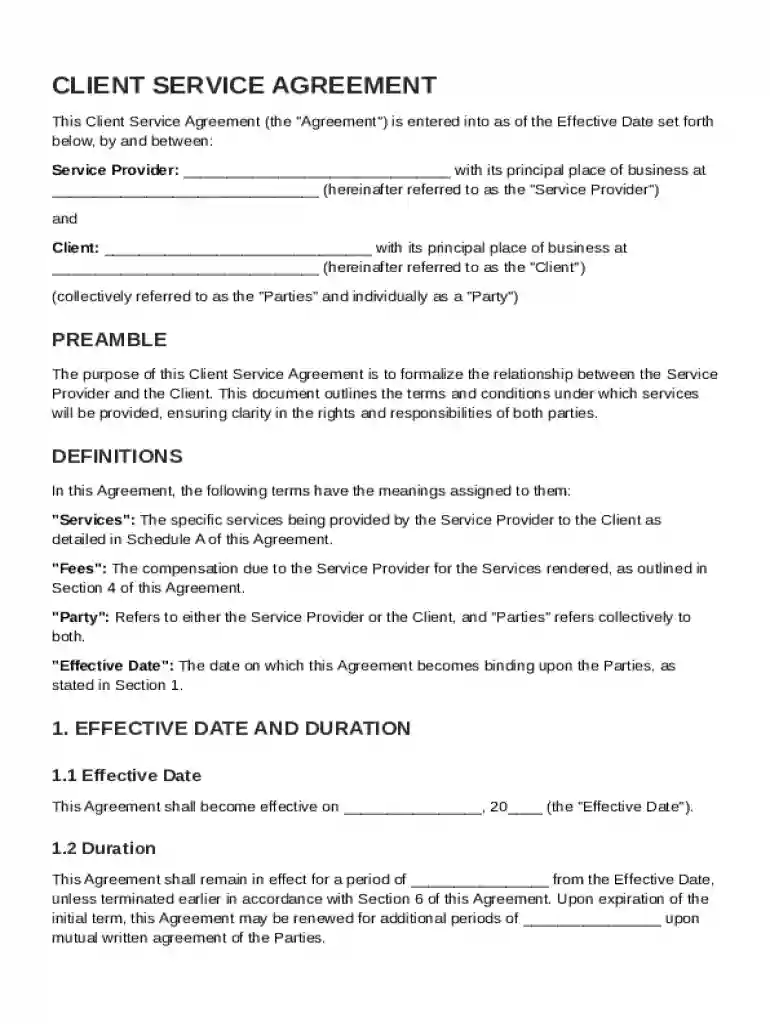
Type text, add images, blackout confidential details, add comments, highlights and more.

Draw your signature, type it, upload its image, or use your mobile device as a signature pad.

Send it via email, link, or fax. You can also download it, export it or print it out.
A Client Contract Template is a standardized legal document used to formalize agreements between service providers and their clients. It outlines essential terms and conditions for the services being offered, such as the scope of work, payment terms, roles, and responsibilities of each party, confidentiality obligations, and methods for resolving disputes. By setting clear expectations and legal terms, it aims to minimize misunderstandings and protect the interests of both parties involved. This template provides a structured format, making it easier to draft a comprehensive and enforceable contract that can be used across various industries and services.
To effectively use a Client Contract Template, one must adapt the template's standard clauses to fit the specific needs of the transaction.
Review Standard Clauses: Begin by familiarizing yourself with the template’s standard clauses, identifying areas needing customization, such as the scope of work and payment conditions.
Customize for Specific Services: Modify the language of the template to reflect the specific services you provide, and include details like timelines and deliverables.
Define Payment Terms: Clearly outline payment schedules, methods, and any penalties for late payments, ensuring both parties understand the financial arrangements.
Assign Responsibilities: Clearly state the responsibilities and expectations of each party, ensuring both sides have a mutual understanding of the agreement.
Consult Legal Counsel: To avoid future disputes, consider having legal counsel review the customized contract to confirm that it adheres to relevant laws and regulations.
Obtain Signatures: Once the contract has been tailored to your needs, ensure both parties sign the document, indicating their acceptance of the terms and conditions.
The Client Contract Template is composed of several crucial sections, each serving a specific purpose to ensure a clear and enforceable agreement.
Scope of Work: Describes in detail the services to be provided, including the method of delivery and any significant milestones.
Payment Terms: Outlines the compensation structure, including fees, payment schedule, and any penalties for late payment.
Confidentiality Clause: Protects sensitive information disclosed during the agreement, preventing unauthorized sharing or usage.
Termination Conditions: Provides the conditions under which the contract can be prematurely terminated by either party, detailing any repercussions or penalties.
Dispute Resolution: Specifies the process for resolving any disputes arising from the contract, such as mediation or arbitration, and indicates the governing jurisdiction.
Miscellaneous Provisions: Covers additional terms like force majeure, amendments, and entire agreement clause, ensuring the contract's comprehensiveness.
Completing a Client Contract Template involves several critical steps to ensure that the final document is both comprehensive and legally binding.
Identify Each Party: Include the full legal names and contact information for both the service provider and the client.
Define the Objectives: Clearly articulate the goals and objectives of the services being provided to ensure clarity.
Customize Legal Provisions: Amend the legal provisions to match the specific jurisdiction and needs of the contract.
Negotiate Terms: Engage in discussions to agree upon the essential terms such as fees, timeline, and deliverables.
Review and Revise: Thoroughly review the draft for any inaccuracies or ambiguous terms, making necessary revisions.
Get Approval: Ensure both parties review and conduct final approval of the contract, providing an opportunity for last-minute revisions before signing.
Final Signatures: Once all parties are satisfied, collect signatures from the designated representatives to formalize the agreement.
Utilizing a Client Contract Template legally binds all involved parties to the agreed terms.
Enforceability: Modification and signing of a template ensure its terms are enforceable in a court of law.
Legal Compliance: The template should be customized to comply with regional laws and industry standards to maintain its validity.
Protecting Rights: It protects both parties’ rights by detailing action steps for breaches, preserving confidentiality, and outlining dispute processes.
DocHub’s Legal Standards: DocHub ensures templates adhere to legal standards, giving users peace of mind regarding legal legitimacy.
Understanding key terms that frequently appear in a Client Contract Template can improve comprehension and effective use.
Indemnity: An agreement to compensate for any loss or damage that occurs during the contract execution.
Breach: Refers to the violation of any terms outlined in the contract which could lead to penalties or termination.
Force Majeure: A clause that relieves both parties from liability or obligation when an extraordinary event prevents fulfilling the contract.
Jurisdiction: The legal authority under which the contract will be governed and any disputes resolved.
Amendments: Means by which the contract can be modified or updated after it has been executed, often requiring consensus from all parties involved.
Remuneration: Details concerning the payment or compensation provided in return for services rendered.
Practical examples abound for applying a Client Contract Template across different sectors.
Freelance Writing Services: A freelance writer uses the template to define project scope, deadlines, and payment terms with clients.
IT Consultancy: An IT consultant formalizes agreements about deliverables, timelines, support services, and payment structures with business clients.
Graphic Design Work: A graphic designer employs the template to outline project milestones, design specifics, and ownership rights for the final product.
Event Planning: An event planner drafts agreements that include detailed services, client expectations, budget breakdowns, and cancellation policies.
By employing practical scenarios like these, users can adapt the template to diverse contractual needs, ensuring clarity and legal protection.
Various businesses can leverage a Client Contract Template to streamline their operations and ensure legal protection.
Service Providers: Companies offering complex services such as consulting, IT solutions, or legal services benefit by clearly defining deliverables and expectations.
Freelancers and Contractors: Individuals offering diverse services can protect their rights and ensure timely payments through well-structured contracts.
Agencies: Marketing, PR, or recruitment agencies formalizing client relations can guarantee professional engagement standards are met.
Small Businesses: Startups and SMEs use the template to onboard clients, ensuring clarity in service terms and fostering client confidence.
Non-profit Organizations: When non-profits partner with service vendors or sponsors, these contracts offer clear deliverables and expectations, facilitating smooth collaboration.
At DocHub, your data security is our priority. We follow HIPAA, SOC2, GDPR, and other standards, so you can work on your documents with confidence.
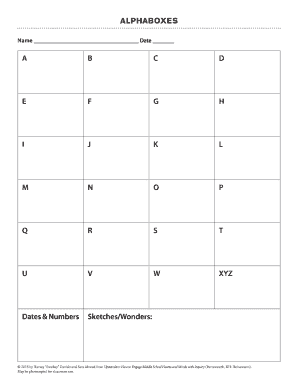

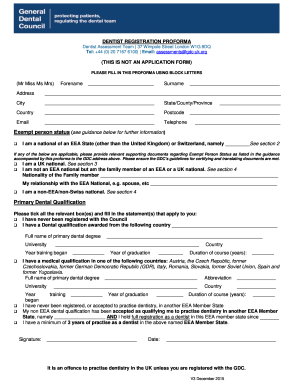
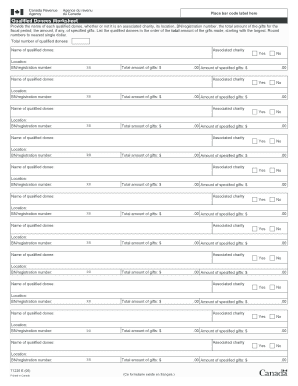


Please use the attached agreement as your template for preparing Professional Services and Client Services Agreements. Below are some instructions and
Mar 24, 2022 A solid consulting agreement should include the nature of services, fee structure, duration, statement of work, terms and conditions, delivery


