




01. Edit your form online
Type text, add images, blackout confidential details, add comments, highlights and more.

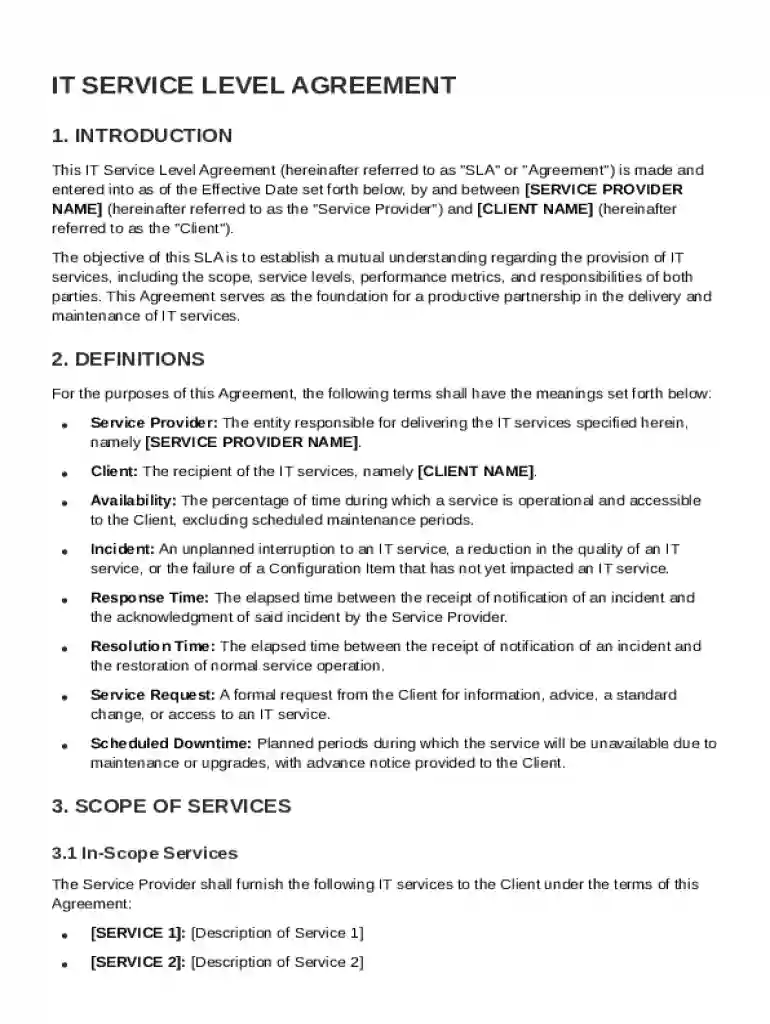
Type text, add images, blackout confidential details, add comments, highlights and more.

Draw your signature, type it, upload its image, or use your mobile device as a signature pad.

Send it via email, link, or fax. You can also download it, export it or print it out.
An IT Service Level Agreement (SLA) Template serves as a foundational document outlining the terms and conditions between a Service Provider and a Client in the provision of IT services. It standardizes the structure for detailing service offerings, expectations, and responsibilities. The SLA ensures clarity on service scope, performance metrics, incident management, and accountability, fostering a productive and transparent relationship between the involved parties. This standardized template simplifies the process of drafting an SLA by providing predefined sections that can be customized according to specific agreements between parties.
The IT Service Level Agreement Template includes several critical components to ensure comprehensiveness and clarity. Key elements often featured in this template are:
Completing an IT Service Level Agreement Template involves several systematic steps to ensure accuracy and completeness:
The IT Service Level Agreement Template must conform to legal standards to be enforceable. This includes compliance with laws governing service agreements, data protection, and confidentiality agreements. In the United States, SLAs must adhere to state-specific regulations and broader federal laws such as the ESIGN Act for digital signatures. Ensuring legal compliance within the template protects both service providers and clients, minimizing disputes and fostering trust.
Understanding key terminology within the IT Service Level Agreement Template is crucial for all parties involved:
The IT Service Level Agreement Template is commonly used by a broad range of entities involved in the IT services sector:


Real-world applications of the IT Service Level Agreement Template demonstrate its versatility:
Although the IT Service Level Agreement Template is widely used, alternatives and adaptations exist to meet diverse needs:
At DocHub, your data security is our priority. We follow HIPAA, SOC2, GDPR, and other standards, so you can work on your documents with confidence.

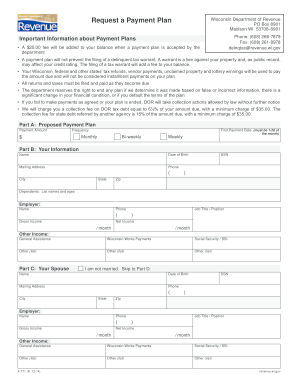

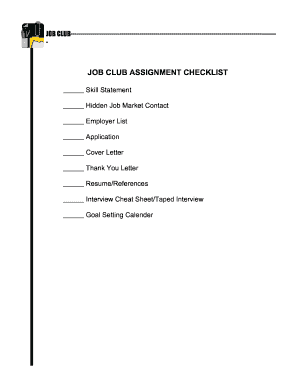
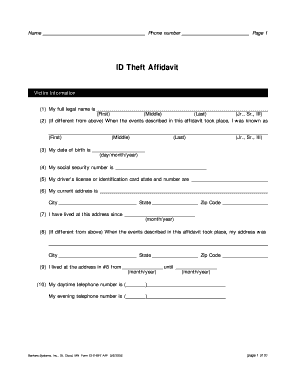

Initiates the creation of Service Level Agreements. Reports all system outages and degradation to the Enterprise Service Desk in a timely manner. Adheres to
This Virtual Private Network Agreement is entered into between the User and (^Company^), effective the date this agreement is executed by (^Company^)s
The purpose of this agreement is to establish service expectations, identify provider and consumer responsibilities related to this service, specify how this


