




01. Edit your form online
Type text, add images, blackout confidential details, add comments, highlights and more.

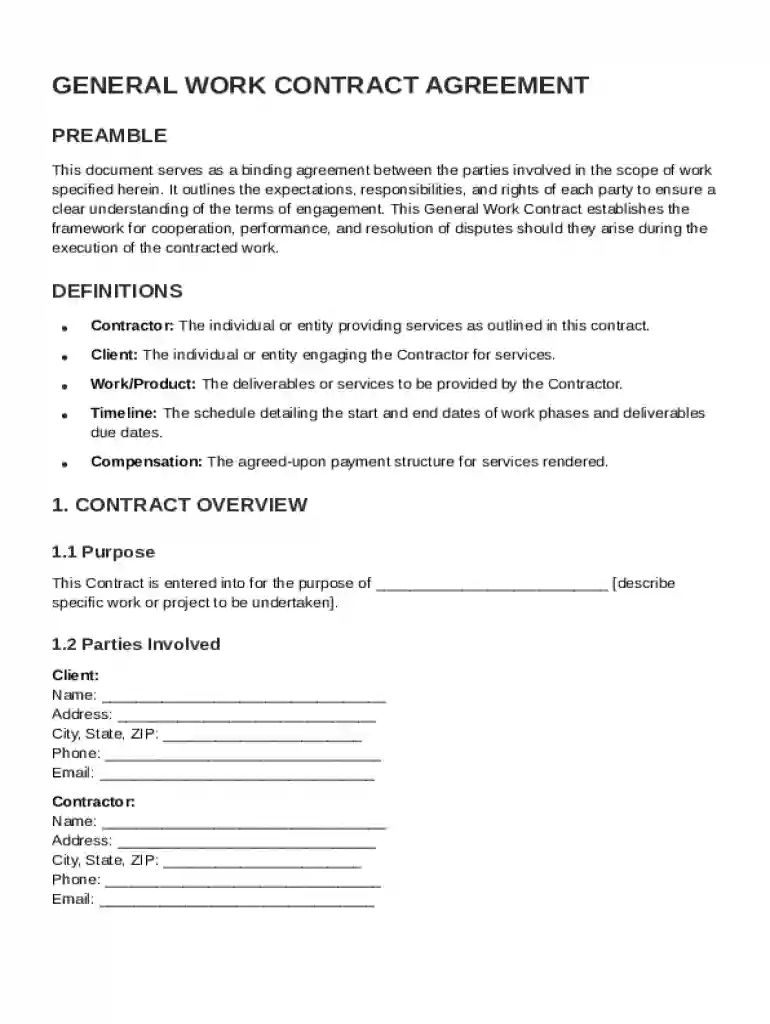
Type text, add images, blackout confidential details, add comments, highlights and more.

Draw your signature, type it, upload its image, or use your mobile device as a signature pad.

Send it via email, link, or fax. You can also download it, export it or print it out.
The General Work Contract Template is a legal document that formalizes the terms and conditions between a contractor and a client for the provision of specific services. This template serves as a written agreement detailing essential aspects like the scope of work, compensation, and project timelines. Its primary purpose is to establish a mutual understanding and legally bind both parties to ensure that all expectations are clearly outlined and adhered to. The General Work Contract Template helps prevent misunderstandings and legal disputes, serving as a comprehensive reference for both parties throughout their professional relationship.
The General Work Contract Template typically includes several critical components designed to ensure clarity and legal protection for both parties involved. Some of these key elements include:
Scope of Work: Clearly outlines the specific tasks, responsibilities, and deliverables expected from the contractor. This section helps set precise expectations about what the project entails and the methods for its execution.
Compensation: Details on how much the contractor will be paid, the payment schedule, and any additional expenses that might be reimbursed. This section ensures transparency regarding financial arrangements.
Timeline: Specifies project deadlines, including milestones and completion dates. It may also include conditions for time extensions if applicable.
Responsibilities: Defines the obligations of both the contractor and the client, ensuring both parties understand their roles in the project.
Confidentiality Clause: Protects proprietary information by limiting what information the contractor can share with external parties.
Termination Criteria: Outlines the conditions under which the contract can be terminated prematurely by either party, as well as any associated penalties or obligations.
Utilizing a General Work Contract Template effectively involves several well-planned steps. First, it is critical to customize the template to reflect the specific details relevant to the project at hand. The parties involved should fill in sections like the scope of work, compensation terms, and project timelines with detailed information. Secondly, review all clauses, especially legal ones like confidentiality and termination criteria, to ensure that they align with both parties' expectations and legal standards. Lastly, both parties should thoroughly read through the final document, making revisions where necessary, before signing it to cement their agreement legally.
Identify Pertinent Information: Begin by gathering all necessary details, including the full names of both parties, addresses, and contact information.
Define Scope and Services: Clearly state the tasks and duties to be performed. Detail any exclusions to prevent potential conflicts later.
Specify Payment Details: Outline the agreed payment terms, including the amount, schedule, and payment method.
Document Deadlines: Set achievable deadlines for deliverables and project completion, including milestones if applicable.
Include Legal Provisions: Ensure sections like confidentiality are detailed, add clauses for dispute resolution, and consider legal counsel for these parts.
Sign and Distribute: Both parties should sign two copies of the agreement, with each party retaining one for record-keeping.
A wide array of professionals utilize the General Work Contract Template to formalize business relationships. Freelancers and independent contractors often employ this template to delineate duties and protect their rights in client engagements. Small business owners and large corporations may also use the template when hiring external experts for specific projects, ranging from construction jobs to consulting services. Companies that routinely engage in project-based work tend to favor these templates for their ability to establish a clear, legally stable working relationship.


The General Work Contract Template is designed to facilitate a legally sound agreement between a contractor and a client. The contract should include all necessary legal provisions to ensure enforceability, such as confidentiality clauses, indemnity agreements, and dispute resolution mechanisms. When completed correctly, this template functions as a legally binding agreement within the United States, provided all parties have reviewed and agreed to its terms. In certain cases, seeking legal advice may enhance the template's robustness, especially when addressing complex or sensitive contractual terms.
Although the General Work Contract Template provides a broad framework applicable across various states, certain legal requirements can differ depending on jurisdiction. States may have specific laws regarding contractor classification, confidentiality, or compensation that could impact the nature of the agreement. For instance, California has unique regulations on independent contractor classifications, which need to be considered when drafting the agreement within its jurisdiction. It is wise to research these state-specific nuances or consult a legal professional to ensure compliance with local laws.
The General Work Contract Template can be efficiently utilized with various software programs, enhancing versatility and accessibility. Programs such as Microsoft Word, Google Docs, and PDF editors support the customization and editing of these templates. Users employing platforms like DocHub can take advantage of tools that allow digital signing and real-time collaboration, making it suitable for remote projects. This flexibility supports seamless document management, whether the user prefers a traditional desktop environment or a cloud-based platform, ensuring the template meets varied professional needs.
Real-world scenarios illustrate the effectiveness of the General Work Contract Template. For example, a freelance graphic designer entering into a contract with a startup to create branding materials would use the template to establish the scope of work, deadlines, and payment terms. Similarly, a consulting firm may deploy this contract for clarity and protection when providing strategic advice to a corporation. In both cases, the template functions as a blueprint for professional conduct and legal security, ensuring that both parties remain aligned on objectives and expectations throughout the project lifecycle.
At DocHub, your data security is our priority. We follow HIPAA, SOC2, GDPR, and other standards, so you can work on your documents with confidence.
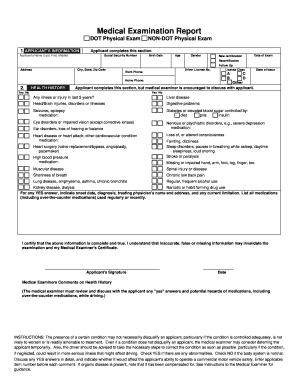
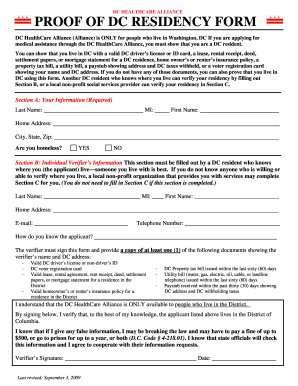
Mar 24, 2022 A solid consulting agreement should include the nature of services, fee structure, duration, statement of work, terms and conditions, delivery
This agreement sets forth the terms and conditions of your employment in the position of , job code in . A.
Download Word Format (docx) [83 KB] Download a model contract for domestic workers to use with their employers. Learn more


