




Definition & Meaning
The Unitholders Agreement Template serves as a foundational document detailing the rights, duties, and governance structure for the unitholders of a specific company. This legal instrument specifies key terms such as management and voting rights, ownership transfer protocols, and fiduciary duties. Confidentiality obligations and financial provisions are also addressed, aiming to protect the interests of all parties involved and support effective business operations.
Key Elements of the Unitholders Agreement Template
The Unitholders Agreement Template typically encompasses several critical elements, including:
- Management and Voting Rights: Outlines how decisions are made and who holds the authority to influence company affairs.
- Ownership and Transfer of Units: Details the procedure for current unitholders to transfer their units to new or existing parties.
- Fiduciary Duties and Confidentiality: Provides guidelines on the responsibilities of unitholders to act in the company's best interest and maintain confidentiality.
- Financial Matters: Includes details about the financial structure of the company.
- Dispute Resolution Mechanisms: Establishes procedures for resolving conflicts among unitholders.
- Amendment Protocols: Defines how changes to the agreement can be made, ensuring adaptability to evolving business needs.
Steps to Complete the Unitholders Agreement Template
To accurately complete the Unitholders Agreement Template, follow these steps:
- Gather Basic Information: Collect relevant data about the company and its unitholders, including names, addresses, and ownership percentages.
- Define Terms and Conditions: Specify management roles, voting rights, and financial obligations.
- Include Confidentiality Clauses: Draft sections that require unitholders to maintain the confidentiality of sensitive information.
- Outline Transfer Rules: Establish clear protocols for the transfer of units.
- Specify Dispute Resolution Procedures: Determine acceptable methods for addressing and resolving disagreements.
- Review and Edit: Conduct a thorough review to ensure accuracy and completeness; seek legal advice as needed.
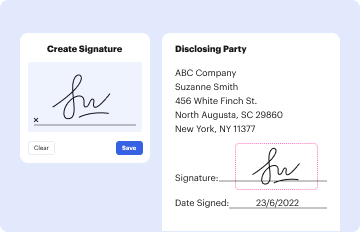
- Finalize and Sign: Secure signatures from all involved parties to validate the agreement.
Important Terms Related to the Unitholders Agreement Template
Understanding specific terminology is crucial when working with the Unitholders Agreement Template:
- Units: Represent the equity stake held by unitholders in the business.
- Quorum: The minimum number of unitholders required to make decisions at meetings.
- Pre-emptive Rights: Rights that allow existing unitholders to purchase additional units before they are offered to new investors.
- Drag-Along Rights: Provisions that compel minority unitholders to sell their units if a majority agrees to a sale to protect the control.
- Tag-Along Rights: Rights that enable minority unitholders to join in on a sale triggered by majority unitholders to ensure equal treatment.
Legal Use of the Unitholders Agreement Template
In the United States, the Unitholders Agreement Template is recognized as a legally binding document. It ensures that all unitholders comply with federal and state laws regarding corporate governance. This agreement helps prevent disputes by setting legally enforceable terms and by defining each party's legal obligations.
Examples of Using the Unitholders Agreement Template
Examples of scenarios where the Unitholders Agreement Template is utilized include:
- Startup Ventures: Entrepreneurs use these agreements to outline investor roles and protect founding members' interests.
- Real Estate Investment Groups: These documents help manage complex partnerships and safeguard investor interests.
- Family Businesses: For clear succession planning and to govern the distribution of units among family members.
State-Specific Rules for the Unitholders Agreement Template
While the Unitholders Agreement Template is used nationwide, some states may impose specific requirements:
- California: Requires additional clauses for environmental compliance, given the state's strict environmental laws.
- Delaware: Often used as a base standard due to its well-established business-friendly court system.
- New York: May require additional disclosure and notice policies to enhance transparency among unitholders.
Business Types That Benefit Most from the Unitholders Agreement Template
The Unitholders Agreement Template is particularly beneficial for businesses such as:
- Limited Liability Companies (LLCs): Use it to clearly define member roles and liability.
- Joint Ventures: Ensures the alignment of interests between multiple parties forming a temporary partnership for specific projects.
- Private Equity Firms: It facilitates streamlined investment procedures and the management of diverse portfolios.