




Understanding the Consignment Sale Agreement Template
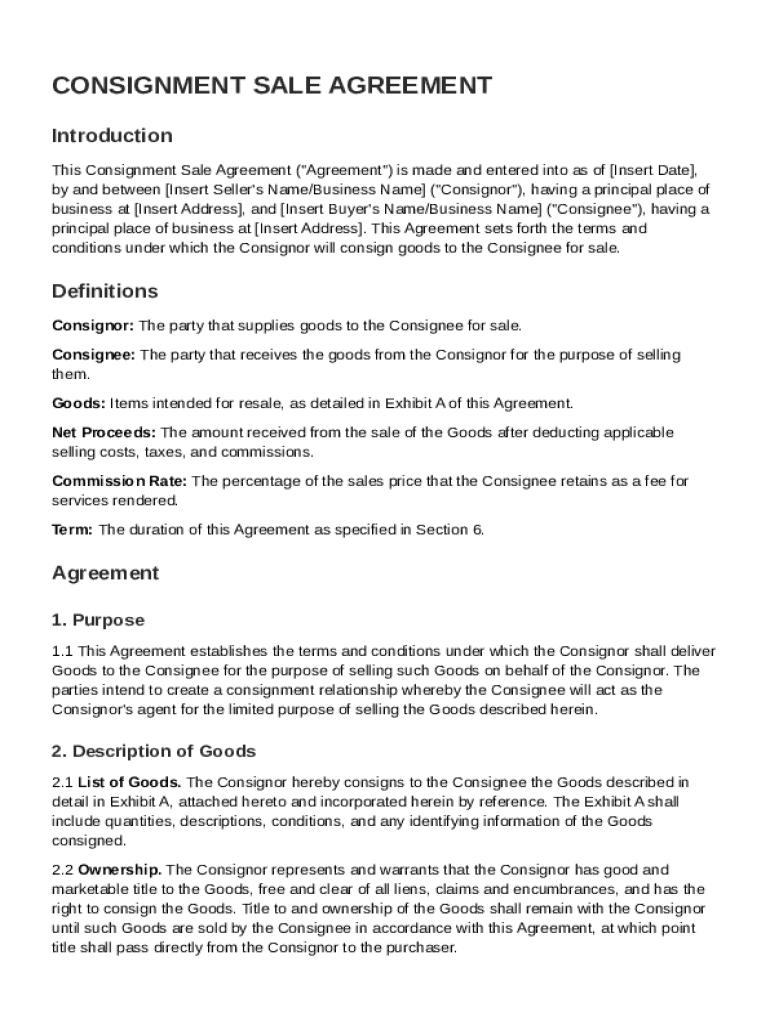
The Consignment Sale Agreement Template is a pivotal document that outlines the arrangement between the consignor (the owner of the goods) and the consignee (the seller). This legal agreement is essential to establish clear roles, responsibilities, and conditions for selling goods on consignment. By using this template, parties can systematically manage the rights and obligations involved in the consignment process.
Key Provisions of the Agreement
-
Delivery and Acceptance: Details when and how goods will be delivered to the consignee and the conditions under which they are accepted.
-
Sales Responsibility: Specifies the consignee’s obligation to market and sell the consigned goods.
-
Commission Structure: Outlines how the consignment sales are divided between the consignor and consignee, ensuring transparency in profit-sharing.
-
Payment Terms: Defines how and when payments will be made to the consignor after sale transactions are completed.
-
Liability and Risk: Allocates risk and liability, particularly in the event of loss, theft, or damage to the goods while in the consignee's possession.
How to Use the Consignment Sale Agreement Template
Utilizing the Consignment Sale Agreement Template efficiently involves understanding its segments and correctly filling them out. The template ensures a comprehensive coverage of all necessary details required for a consignment relationship.
-
Customize the Document: Edit the document to include specific details about the goods, including descriptions and any unique identifiers.
-
Define Roles: Clearly specify the responsibilities and rights of both the consignor and consignee to prevent future conflicts.
-
Agree on Terms: Discuss and mutually agree on the sales terms, including commission rates and payment intervals, before filling these sections.
Legal Use of the Consignment Sale Agreement Template
The legal credibility of the Consignment Sale Agreement Template lies in its ability to serve as evidence of a transaction between a consignor and consignee. By defining the roles, responsibilities, and expectations clearly, this document minimizes legal disputes. The agreement must adhere to the Uniform Commercial Code (UCC) provisions applicable to the sale of goods in a consignment setting.
Important Terms Related to the Consignment Sale Agreement Template
-
Consignor: The individual or entity that owns the goods and consigns them for sale.
-
Consignee: The party that receives the goods and agrees to market and sell them on behalf of the consignor.
-
Sales Proceeds: The amount received from the sale of the goods, from which the consignee earns a commission.
-
Commission: The fee paid to the consignee calculated as a percentage of the sales proceeds.
Who Typically Uses the Consignment Sale Agreement Template
Consignment Sale Agreement Templates are highly beneficial to a variety of business types. Retailers looking to expand inventory without upfront purchasing costs, artists consigning works to galleries, and manufacturers testing new products in markets can all utilize this template. It provides a cost-effective and risk-managed means of exploring new markets and opportunities.

Steps to Complete the Consignment Sale Agreement Template
Completing the template involves a systematic approach to ensure accuracy and completeness.
-
Begin with the Introductory Section: List names, addresses, and contact information for both parties involved.
-
Describe the Goods: Include a detailed description of the items to be consigned, including quantities and quality standards.
-
Set the Terms of Sale: Clearly outline the selling price, commission structure, and payment schedule.
-
Risk Allocation: Define each party’s liability concerning the goods during the consignment period.
-
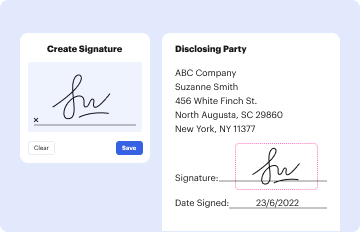
Finalize and Sign: Once both parties agree on the terms, affixing signatures and dates confirms commitment.
State-Specific Rules Affecting the Template
State laws may impose specific requirements on consignment agreements. For instance, certain states may require the consignee to maintain a separate account for consigned goods' proceeds to ensure funds are properly managed. Understanding the state’s Uniform Commercial Code (UCC) as it pertains to consignment is crucial for compliance.
Examples of Using the Consignment Sale Agreement Template
Consider a scenario where an artist wishes to sell paintings via a gallery. The artist (consignor) can use this template to establish a robust agreement with the gallery owner (consignee). This document serves as a binding agreement detailing the gallery’s responsibility to display and sell the artwork while defining the artist’s rights over unsold pieces.
Each example underscores the utility of the Consignment Sale Agreement Template in protecting interests and managing responsibilities between consigning parties. By following these structured guidelines, users can ensure the effective execution and management of consigned sales transactions.