




Definition & Meaning
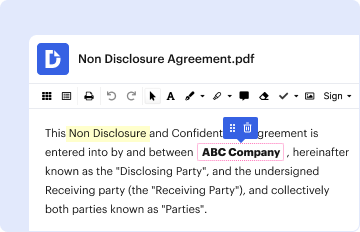
The "Confidentiality for Business Plan Agreement Template" is a legal document that outlines the terms under which confidential information about a business plan is shared between a disclosing party and a receiving party. The primary purpose is to ensure that sensitive information remains protected and is only used to evaluate a potential business relationship. Key elements of this agreement include definitions of confidential information, obligations of the receiving party, and terms regarding unauthorized disclosure. This ensures that the integrity and privacy of the business plan are maintained, promoting trust and safeguarding proprietary details.
Key Elements Explained
- Confidential Information: This refers to any non-public data shared within the agreement, including business strategies, financial projections, and intellectual property.
- Obligations: The receiving party is tasked with maintaining confidentiality and using the information exclusively for evaluation purposes.
- Exclusions: Some information, such as that already public or known, is not covered under confidentiality obligations.
How to Use the Confidentiality for Business Plan Agreement Template
To use the template effectively, begin by examining your current business plan and identifying all elements of confidential information. Customize the template by entering specific details about the parties involved, the nature of the information being shared, and any additional clauses you find necessary. Pay close attention to the duration of the confidentiality obligations and any geographical considerations that might apply.
Steps for Customization
- Identify Key Parties: Clearly define who the disclosing and receiving parties are.
- Specify Confidential Elements: Ensure all sensitive components of the business plan are listed.
- Adjust Terms: Add any specific terms or conditions that cater to your unique requirements.
Steps to Complete the Confidentiality for Business Plan Agreement Template
Completing this template requires a systematic approach to ensure all legal and practical aspects are covered:
- Review Standard Clauses: Understand the default terms within the template, including definitions and exclusions.
- Fill in Party Details: Clearly state the names and contact information of both the disclosing and receiving parties.
- List Confidential Information: Specify what information is considered confidential.
- Set Duration of Agreement: Dictate how long the obligation to confidentiality lasts.
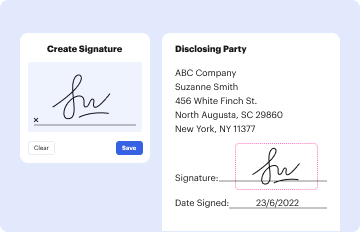
- Signatures: Secure signatures from both parties to enforce the agreement legally.
Real-World Example
Imagine a startup seeking partners for expansion. They will likely use this template to protect their business strategies and financial data while sharing this information with potential investors or partners.
Why Use a Confidentiality for Business Plan Agreement Template
This template is crucial for protecting sensitive business information from unauthorized use or disclosure. By clearly outlining the rights and obligations of the involved parties, businesses can engage in discussions and partnerships with peace of mind that their strategic data is protected. It also establishes a legal framework for recourse in the event of a breach, ensuring a robust line of defense against potential misuse of information.
Benefits
- Legal Protection: Provides a means to take legal action if confidential information is released improperly.
- Business Assurance: Encourages potential partners to adhere to confidentiality, fostering a trusting business environment.
- Operational Security: Prevents competitors from gaining access to proprietary data that could undercut the business’s market position.
Important Terms Related to Confidentiality for Business Plan Agreement Template
Comprehension of the specific terms within the agreement is essential for its effective utilization. These terms dictate the scope and enforcement of the confidentiality obligations.
Essential Terms
- Non-Disclosure: Refers to the primary obligation of not sharing the designated information beyond the specified use.
- Remedies for Breach: Outlines the consequences and legal remedies available should a breach occur.
- Return of Information: stipulates actions required regarding the return or destruction of the confidential information once the agreement is terminated or concludes.
Legal Use of the Confidentiality for Business Plan Agreement Template
In the United States, confidentiality agreements are legally binding documents that are enforceable in court. This particular template, when correctly executed, serves as a formal agreement that both protects and limits the use of shared confidential information.
Governing Law and Compliance
Ensure the agreement specifies which state’s laws govern its terms. This is critical, as laws regarding confidentiality can vary from state to state.
Key Elements of the Confidentiality for Business Plan Agreement Template
Understanding the critical components of the template enables users to maximize its efficacy in protecting business interests. These elements serve as the backbone of any confidentiality agreement.
Fundamental Components
- Scope of Use: Defines the allowable use of the confidential information by the receiving party.
- Return or Destruction of Information: Ensures the confidential data is returned or destroyed after use.
- Legal Recourse: Provides clear steps for addressing breaches, including financial penalties or legal action.
Examples of Using the Confidentiality for Business Plan Agreement Template
Several scenarios illustrate the practical application of this template. These examples underscore its versatility and importance in diverse business settings.
Case Studies
- Startup Ventures: A tech startup shares its business plan with a potential investor to secure funding, safeguarded by this agreement.
- Partnership Discussions: Two businesses exploring a joint venture use the agreement to protect the exchange of strategic information.
- Consultant Engagements: A company engaging a consultant utilizes the agreement to protect its proprietary methods and client information during the consultation period.