




01. Edit your form online
Type text, add images, blackout confidential details, add comments, highlights and more.

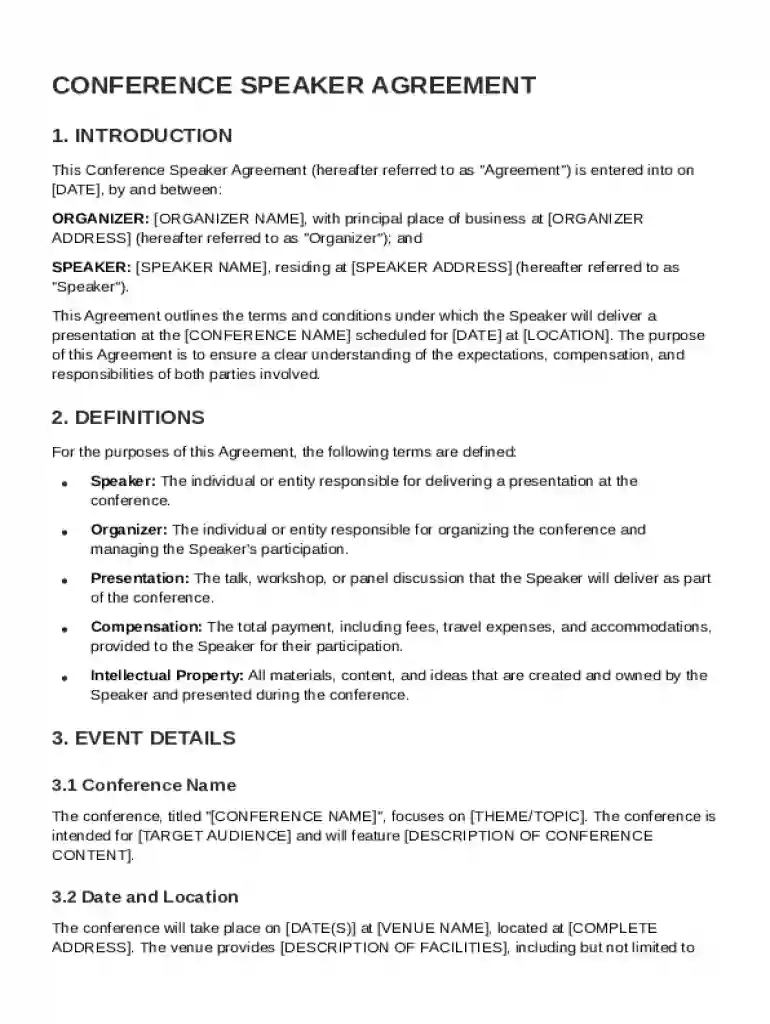
Type text, add images, blackout confidential details, add comments, highlights and more.

Draw your signature, type it, upload its image, or use your mobile device as a signature pad.

Send it via email, link, or fax. You can also download it, export it or print it out.
The Conference Speaker Agreement Template is a legally binding document that delineates the terms and conditions between a conference organizer and a speaker. This template is essential for establishing clear expectations and responsibilities between both parties to ensure a smooth and organized event. The agreement typically covers various elements, including the scope of the presentation, compensation details, intellectual property rights, confidentiality clauses, and cancellation policies. It aims to protect both the organizer's investment in the event and the speaker's professional commitments, thus fostering a professional and secure environment.
Review and Customize: Begin by thoroughly reviewing the template to ensure that it aligns with the specific needs of the event and the speakers. Customize key sections such as the date, venue, duration of the speech, and any particular requirements or restrictions.
Input Speaker and Organizer Details: Clearly input the contact information for both the speaker and the organizer. This should include full names, phone numbers, email addresses, and any additional relevant information that facilitates communication.
State Responsibilities and Expectations: Clearly outline the duties and expectations for both the speaker and the organizer. This may include the time allotted for the presentation, any technology or equipment needed, promotional activities, and deadlines for materials submission.
Compensation: Detail the speaker’s fee, payment schedule, and any reimbursements for travel, lodging, or other associated costs. This section should clearly state when and how payments will be made.
Intellectual Property Rights: Specify the ownership of the content created and presented by the speaker. Clarify whether the speaker retains rights to their materials, or if the organizer holds any usage rights post-event.
Confidentiality and Non-Disclosure: Include provisions that protect the confidentiality of proprietary information shared during the conference. This may cover the speaker’s presentation, other attendees’ information, or sensitive business strategies.
Cancellation and Rescheduling: Outline the conditions under which the agreement may be canceled or rescheduled, including any penalties for breach of contract. Provide details on notice periods and acceptable reasons for cancellation.
Creating and signing a Conference Speaker Agreement Template ensures that both parties have a clear, legally recognized document outlining their respective rights and duties. This can prevent disputes and provide a clear course of action in case any issues arise. The document's legality is typically governed by the laws of the state where the event takes place, but it may also specify another jurisdiction if agreed upon by both parties.
Fill Personal Details: Start by entering the names and contact details of both the speaker and the organizer.
Define Engagement Terms: Specify all terms related to the engagement, including the nature of the presentation, date, time, and location of the conference.
Document Compensation Details: State the agreed-upon fee, any additional reimbursements, and the payment timeline.
Specify Special Requirements: Indicate any specific needs the speaker might have, such as audiovisual equipment or accessibility arrangements.
Sign and Date: Once both parties have reviewed and agreed to the terms, each should sign and date the document to make it legally binding. Signed copies should be distributed to both the speaker and the organizer for their records.
Force Majeure: A clause that releases both parties from obligations due to extraordinary events, such as natural disasters or other situations beyond human control.
Indemnification: A provision where one party agrees to compensate for any harm, liability, or loss arising from the agreement.
Jurisdiction: Identifies the legal authority under which the agreement will be governed and any disputes will be resolved.
Limited Liability: Protects parties from financial obligations beyond what is outlined in the agreement.
Conference Speaker Agreement Templates are invaluable tools for event planners, professional speakers, academic institutions, nonprofit organizations, and companies hosting public events. These groups use such agreements to formalize arrangements with guest speakers, ensuring that expectations are clearly communicated and legally documented. In addition, speakers use these agreements to safeguard their rights and confirm their compensation, roles, and responsibilities at an event.


Organizations across various industries utilize the Conference Speaker Agreement Template to formalize speaker engagements. For example, a technology conference may use the template to define the terms with a keynote speaker presenting the latest advancements in artificial intelligence. Similarly, a non-profit organization might employ the template when arranging a guest speaker for its annual fundraising gala. In academic settings, universities often use such templates to define the terms for guest lecturers participating in symposiums or workshops.
The digital version of the Conference Speaker Agreement Template offers several advantages in today's fast-paced and interconnected world. It allows ease of access and sharing, enabling parties to review, sign, and store documents electronically. Utilizing platforms such as DocHub enhances secure collaboration and real-time updates, helping to manage revisions efficiently. Conversely, the paper version may be preferred by those who are uncomfortable with digital tools or where a physical signature is required by policy. Whichever format is used, ensuring the document is correctly completed and filed is critical to maintaining a binding agreement.
At DocHub, your data security is our priority. We follow HIPAA, SOC2, GDPR, and other standards, so you can work on your documents with confidence.

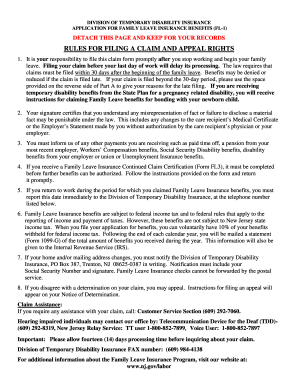
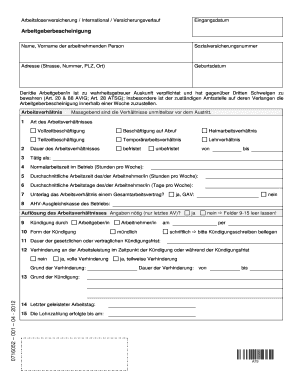
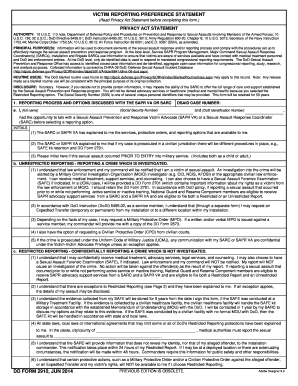


UNIVERSITY OF NEBRASKAOMAHA SPEAKER CONTRACT. This SPEAKER CONTRACT for the personal services of an individual to speak at the event
To ensure good broadcasting interactive conference experiences, it is recommended that you configure personal layout later, and you should add the layout
Nov 26, 2010 Please provide a short bio for introduction during the conference and posting on the public website. (MS Word format preferred). [Insert bio


