




Definition and Meaning
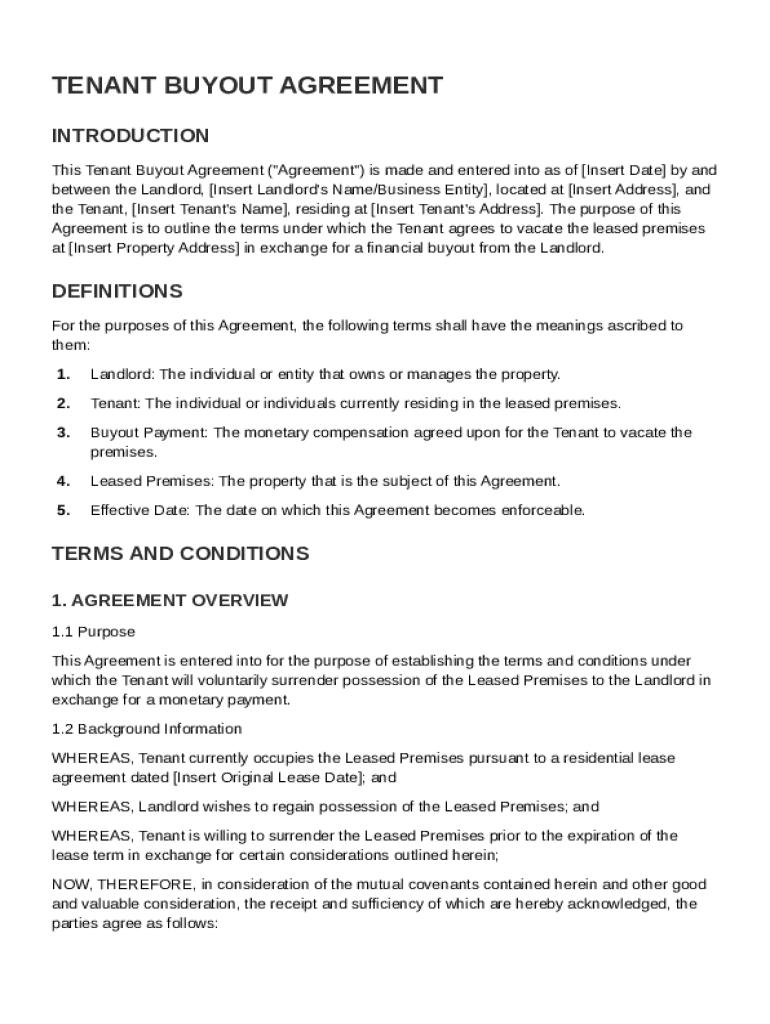
The Tenant Buyout Agreement is a legally binding document outlining the arrangement where a tenant voluntarily agrees to vacate a rental property in exchange for compensation from the landlord. This agreement serves as a formalized process to ensure both parties—tenant and landlord—are aligned on the terms and conditions of the buyout. Typically, these agreements are used in situations where the landlord may wish to regain possession of the property for personal use, renovation, or sale. The negotiation and documentation of this agreement help protect both parties' interests and clarify expectations.
Key Components
- Financial Compensation: The agreement specifies the amount the landlord will pay the tenant to vacate the premises.
- Vacate Date: The date by which the tenant agrees to leave the property.
- Tenant Obligations: Requirements such as maintaining the property's condition until departure.
- Landlord Obligations: Ensures the timely payment of the buyout amount and any other agreed-upon actions.
- Dispute Resolution: Procedures in place to address any disagreements arising from the agreement.
How to Use the Tenant Buyout Agreement Template
Using the Tenant Buyout Agreement Template involves a careful review and customization to fit the specific scenario and compliance with local legal standards. Before commencing the process, it is essential to understand the intent and all parties' expectations.
Steps to Utilize the Template
- Download and Review: Obtain the template and carefully read through the entire document to comprehend the clauses.
- Customize: Tailor the sections to reflect the specific agreements between the tenant and landlord, including personalized details for financial compensation and timeline.
- Legal Consultation: Consult with a legal advisor to ensure compliance with local tenant and landlord laws.
- Negotiate Terms: Engage in open dialogue with the tenant to finalize terms that are mutually agreeable.
- Finalize Agreement: Make any necessary amendments based on negotiations and prepare the final version for signing.
Steps to Complete the Tenant Buyout Agreement Template
Completing the Tenant Buyout Agreement is a meticulous process that requires precision to ensure both parties are legally protected. The following sequence outlines how one can effectively complete this form.
Filling Out the Agreement
- Information Entry: Start by entering basic information such as tenant and landlord names, property address, and contact details.
- Specify Payment Details: Clearly define the buyout amount, any payment schedule, and bank account details for electronic transfers.
- Terms and Conditions: Detail obligations, including cleaning requirements, conditions for receiving payment, and departure deadlines.
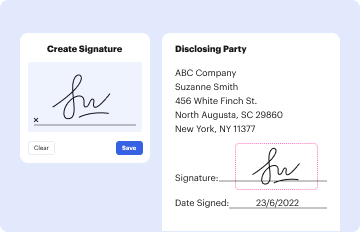
- Signatures: Both parties must sign the document in the designated areas to legally bind the agreement.
- Copy Distribution: Ensure each party retains a copy of the signed agreement for their records.
Important Terms Related to Tenant Buyout Agreement Template
Understanding the terminology within the agreement is crucial for clarity and to ensure each party's requirements are met. The template often includes specific legal and contractual terms that define the responsibilities of each participant.
Commonly Used Terms
- Buyout Amount: The financial incentive given to the tenant for vacating the property.
- Effective Date: The date when the agreement comes into effect and is enforceable.
- Premises: Refers to the property in question, including any specified areas that the tenant must vacate.
- Surrender of Premises: The act of the tenant handing back possession of the property to the landlord.
- Consideration: The compensation or advantage received by the tenant to make the agreement legally binding.
Legal Use of the Tenant Buyout Agreement Template
The Tenant Buyout Agreement must adhere to jurisdiction-specific laws to be valid and enforceable. This document is typically subject to real estate and contract law requirements.
Ensuring Legal Compliance
- Local Regulations: Verify that the agreement aligns with regional laws governing tenant rights and landlord responsibilities.
- Legal Review: Consider having an attorney review the agreement to mitigate legal risks.
- Compliance with Rent Control: For properties under rent control, confirm that the buyout does not violate any tenant protection laws.
- Disclosure Requirements: Ensure all necessary disclosures are included, such as property condition and any known defects.
Key Elements of the Tenant Buyout Agreement Template
The template encompasses several critical elements that form the backbone of the agreement, ensuring all essential areas are covered.
Core Components
- Parties Involved: Clearly listing and identifying both tenant and landlord.
- Financial Terms: Outlining the monetary compensation and payment conditions.
- Mutual Release: A clause that frees both parties from further claims or obligations once the agreement is fulfilled.
- Break Clauses: Conditions where the agreement may be terminated early.
State-Specific Rules for the Tenant Buyout Agreement Template
State laws can vary significantly, affecting how a Tenant Buyout Agreement is structured and enforced. It is essential to adjust the template according to these local legal frameworks.
Variations Across States
- Notification Requirements: Different states require varying notification periods for tenants prior to the agreement.
- Rent Control Provisions: Some areas have stricter regulations to protect tenants in rent-controlled properties.
- Tenant Rights: Various jurisdictions have distinct tenant protection laws that must be honored in the agreement.
Examples of Using the Tenant Buyout Agreement Template
Understanding real-world applications of the Tenant Buyout Agreement Template can be beneficial. These real-life scenarios illustrate how the agreement can be employed effectively.
Practical Scenarios
- Redevelopment Projects: A landlord plans a major renovation, necessitating tenant relocation.
- Personal Use Reclaim: A landlord wishes to occupy the leased property for personal living purposes.
- Property Sale: The sale of property contingent upon tenant removal.