





Definition & Meaning
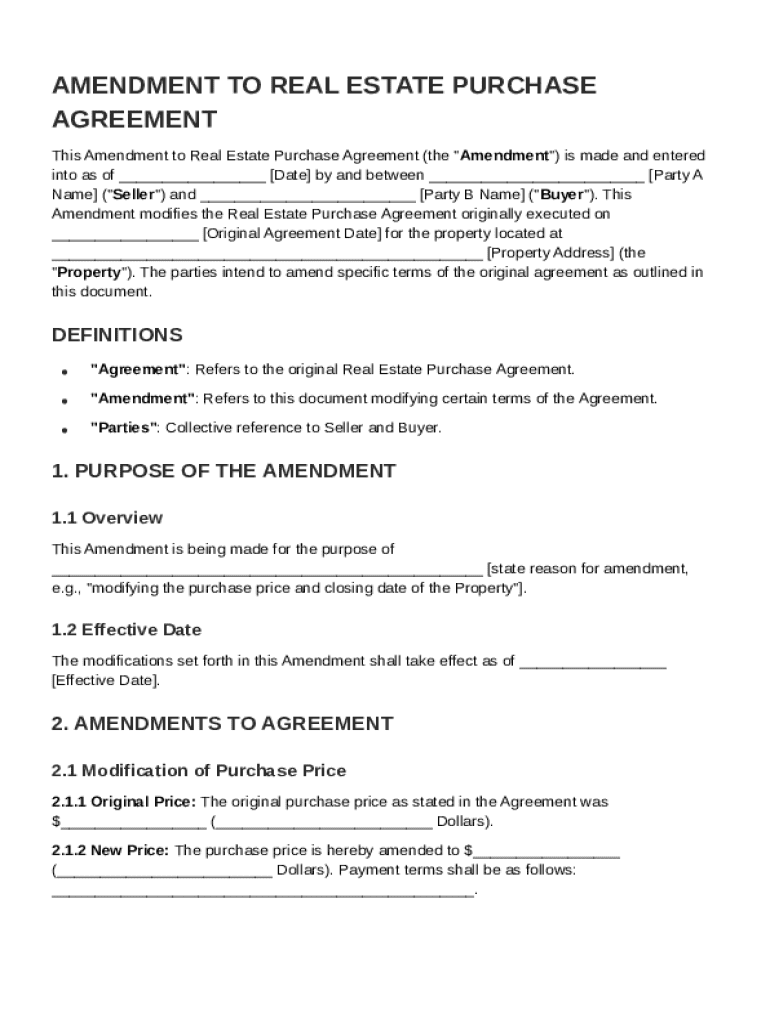
An "Amendment To Real Estate Contract Template" is a formal document used to modify or add specific terms within an existing real estate purchase agreement. This form allows both the seller and buyer to agree on changes such as the purchase price, closing date, and contingencies without needing to draft a whole new contract. Each amendment is legally binding once signed and maintains all other aspects of the original agreement unless specifically altered.
Important Terms Related to Amendment To Real Estate Contract Template
Understanding the terminology used within the amendment template is crucial for ensuring clarity and legality. Key terms include:
- Purchase Price: The amount agreed upon by both parties for the sale of the property. This can be adjusted through the amendment.
- Closing Date: The final date when the transaction is completed, and the property ownership is transferred. Changes in circumstances might necessitate shifting this date.
- Contingencies: Specific conditions that must be met for the contract to become binding. These might include home inspections or financing approvals, which can be revised if necessary.
Key Elements of the Amendment To Real Estate Contract Template
The amendment template comprises several critical sections:
- Parties Involved: Clearly identifies the buyer and seller involved in the original agreement.
- Reference to Original Contract: States the date and other pertinent details of the original agreement that is being amended.
- Amendment Details: Specifies the precise changes being made, such as adjustments to the purchase price or closing terms.
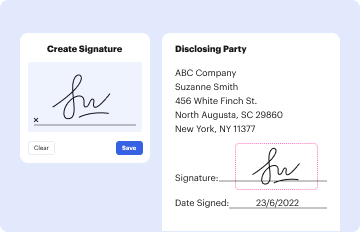
- Signatures: Both parties must sign the amendment for it to be legally enforceable, reflecting their consent to the new terms.
Steps to Complete the Amendment To Real Estate Contract Template
Completing the amendment involves the following steps:
- Review the Original Agreement: Ensure you understand the initial terms that require modification.
- Draft the Amendment: Clearly outline all changes, being specific about how each term is adjusted.
- Consult Legal Advice: Consider obtaining legal counsel to verify that the amendment is compliant with state and federal laws.
- Sign the Document: Both the buyer and seller must sign to validate the amendment.
- Distribute Copies: Provide signed copies to all parties involved for their records.
How to Obtain the Amendment To Real Estate Contract Template
Acquiring the template can be done through several methods:
- Online Platforms: Websites like DocHub offer downloadable templates that can be customized.
- Real Estate Agencies: Frequently provide templates for clients involved in property transactions.
- Legal Services: Attorneys specializing in real estate can supply these forms as part of their services.
Legal Use of the Amendment To Real Estate Contract Template
Amendments must adhere to legal standards to be valid. This includes:
- Compliance with State Laws: Ensuring that the amendment reflects any state-specific regulations regarding real estate sales.
- Clear Intent and Agreement: Both parties must have a clear understanding and agreement of the changes to ensure enforceability.
- Proper Execution: Amendments should be executed and dated, with copies maintained by all parties.
State-specific Rules for the Amendment To Real Estate Contract Template
While a general template is widely applicable, it's important to consider state-specific rules that might influence the amendment. These include:
- Disclosure Requirements: Some states have specific disclosures that must be included depending on the nature of the amendment.
- Notarization: While not always mandatory, certain states may require notarization of amendments for added authenticity.
Examples of Using the Amendment To Real Estate Contract Template
Practical scenarios where the template is utilized include:
- Price Adjustments: Reducing the property price due to market changes or appraisal results.
- Extending Closing Date: Postponing the closing date to accommodate financing delays or other unforeseen events.
- Adding Contingencies: Introducing new conditions that must be satisfied, such as repairs requested after an initial inspection.
These contextual examples highlight the flexibility and necessity of amendments in real estate transactions, ensuring agreements reflect current conditions and mutual consent.