




Definition and Importance of a Call Center Service Level Agreement (SLA)
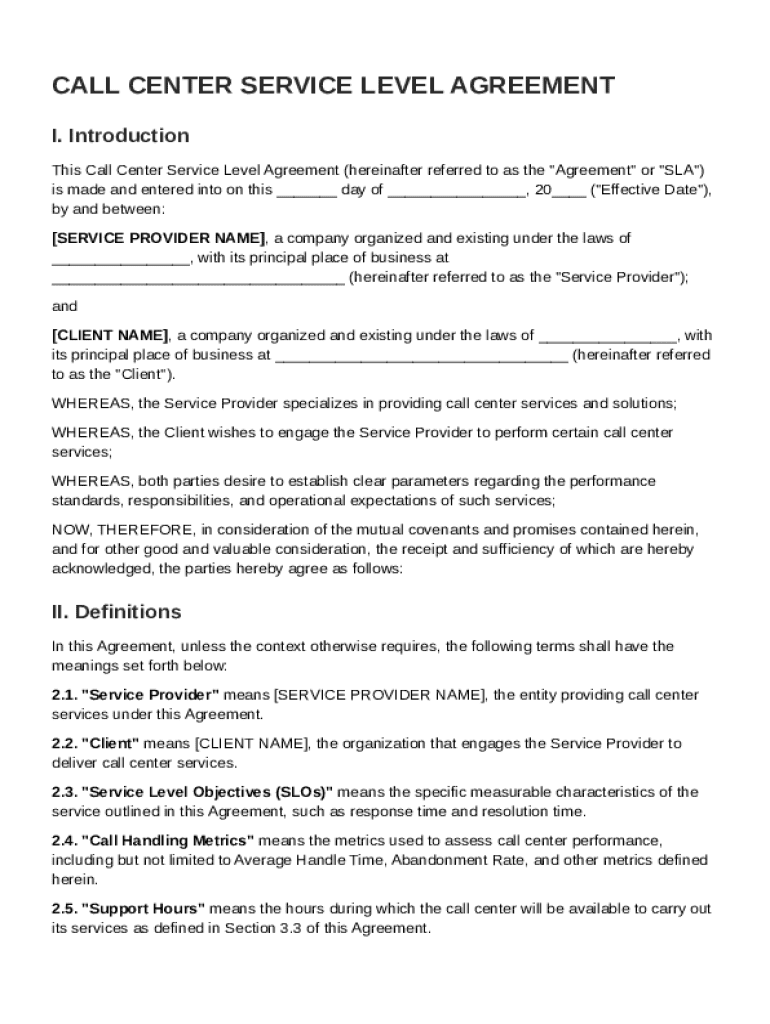
A Call Center Service Level Agreement (SLA) is a formal document that sets out the terms and conditions between a call center service provider and a client. It defines the key roles, responsibilities, performance metrics, and objectives that both parties agree to uphold. The SLA serves as a crucial tool to ensure that all parties have a shared understanding of the expected service levels, including response times, resolution times, and customer satisfaction scores. By establishing clear and measurable standards, the SLA helps maintain a high level of service quality, which is essential for successful client-provider relationships.
Core Objectives of the SLA
- Performance Metrics: Establishes criteria for evaluating call center performance, such as average handling time, abandonment rate, and first-call resolution.
- Service Level Objectives: Sets targeted levels of service that the call center must achieve, like answering 90% of calls within 20 seconds.
- Incident Management Procedures: Outlines processes for handling service disruptions or issues, ensuring timely resolution.
How to Use the Call Center Service Level Agreement Template
The Call Center Service Level Agreement Template is designed to simplify the process of creating a detailed SLA document. Its structured format ensures that all necessary elements are covered, allowing for easy customization to meet specific business needs.
Step-by-Step Usage
- Identify Relevant Stakeholders: Determine who within your organization should input into the SLA, including operational managers and legal advisors.
- Customize for Specific Requirements: Adjust the template’s sections to align with your unique business operations and customer interactions.
- Incorporate Performance Metrics: Ensure that the metrics included in the SLA reflect goals that are both ambitious and achievable.
- Review with Legal Counsel: Confirm the document covers all necessary legal precautions and obligations before finalizing.
Key Elements of the Call Center Service Level Agreement Template
The template provides a comprehensive framework, which includes various critical sections that are essential for setting clear expectations and responsibilities.
Essential Sections
- Scope of Services: Clearly defines what services the call center will provide, including any specific requirements or limitations.
- Performance Measurement and Reporting: Details how performance will be measured and reported, enabling transparency in operations.
- Responsibilities of Parties: Specifies the duties and expectations for both the service provider and the client to prevent misunderstandings.
- Confidentiality and Data Security: Covers protocols for handling sensitive information, complying with data protection laws.
- Dispute Resolution: Proposes mechanisms for resolving any conflicts that may arise, such as mediation or arbitration.
Examples of Using the Call Center Service Level Agreement Template
Real-world application of the SLA template demonstrates its utility in various business contexts. The following examples offer insight into how companies can leverage the template to enhance their operations.
Case Study: E-commerce Company
An e-commerce company uses the template to set clear expectations with a new call center provider. The SLA ensures that the provider meets high customer satisfaction scores and shortens response times during peak shopping seasons.
Case Study: Financial Institution
A financial institution modifies the template to include stringent confidentiality clauses, ensuring that customer data remains secure and compliant with all relevant regulations. This allows the bank to maintain the trust of its clients while using outsourced support services.
Important Terms Related to the Call Center Service Level Agreement Template
Understanding the terminology associated with an SLA is crucial for comprehending its full meaning and implications.
Commonly Used Terms
- Response Time: The time taken for an agent to respond to a customer inquiry.
- Resolution Time: The duration required to resolve a customer's issue entirely.
- Abandonment Rate: The percentage of calls disconnected by customers before speaking to an agent.
- First-Call Resolution (FCR): When a customer's issue is resolved during the first call without the need for follow-up.
Legal Use of the Call Center Service Level Agreement Template
Following legal standards while crafting an SLA is vital, as it is a binding document that could have significant legal ramifications.
Legal Considerations
- Compliance: Ensure that the terms of the SLA comply with applicable laws and regulations, such as data protection acts and labor laws.
- Liability Clauses: Include clauses that delineate responsibility for service disruptions or data breaches.
- Termination Terms: Clearly outline conditions under which the SLA can be terminated by either party.
Who Typically Uses the Call Center Service Level Agreement Template
The template is widely used across industries that rely on third-party call center services to manage customer interactions efficiently.

Target Users
- Business Process Outsourcing (BPO) Firms: To formalize agreements with clients and define service expectations.
- Large Corporations: For managing relationships with external call centers, ensuring consistent customer service standards.
- Small and Medium Enterprises (SMEs): To align on terms with call centers that provide customer support services.
Software Compatibility: Digital vs. Paper Version
The Call Center SLA Template is designed to be versatile in both digital and traditional formats, catering to varying business needs and preferences.
Benefits of Digital Version
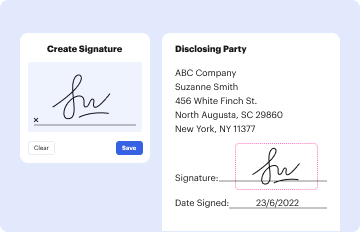
- Convenience and Accessibility: Easily edit and distribute via platforms such as DocHub, ensuring continuity in a digital-first environment.
- Enhanced Collaboration: Allows multiple stakeholders to contribute simultaneously in a collaborative workspace, streamlining the development process.
Paper Version Utility
- Formality and Record-Keeping: Useful in contexts where hard copies are required for official records or when digital tools are less accessible.
Who Issues the Form
The Call Center Service Level Agreement Template is not typically issued by a governing body but is instead developed internally by organizations or in collaboration with service providers.
Internal Development
- Human Resources and Legal Departments: Often collaborate in creating the SLA, ensuring that it meets both operational and legal requirements.
By understanding these various facets of the Call Center SLA Template, businesses can effectively manage their external call center relationships while maintaining high service quality standards.